

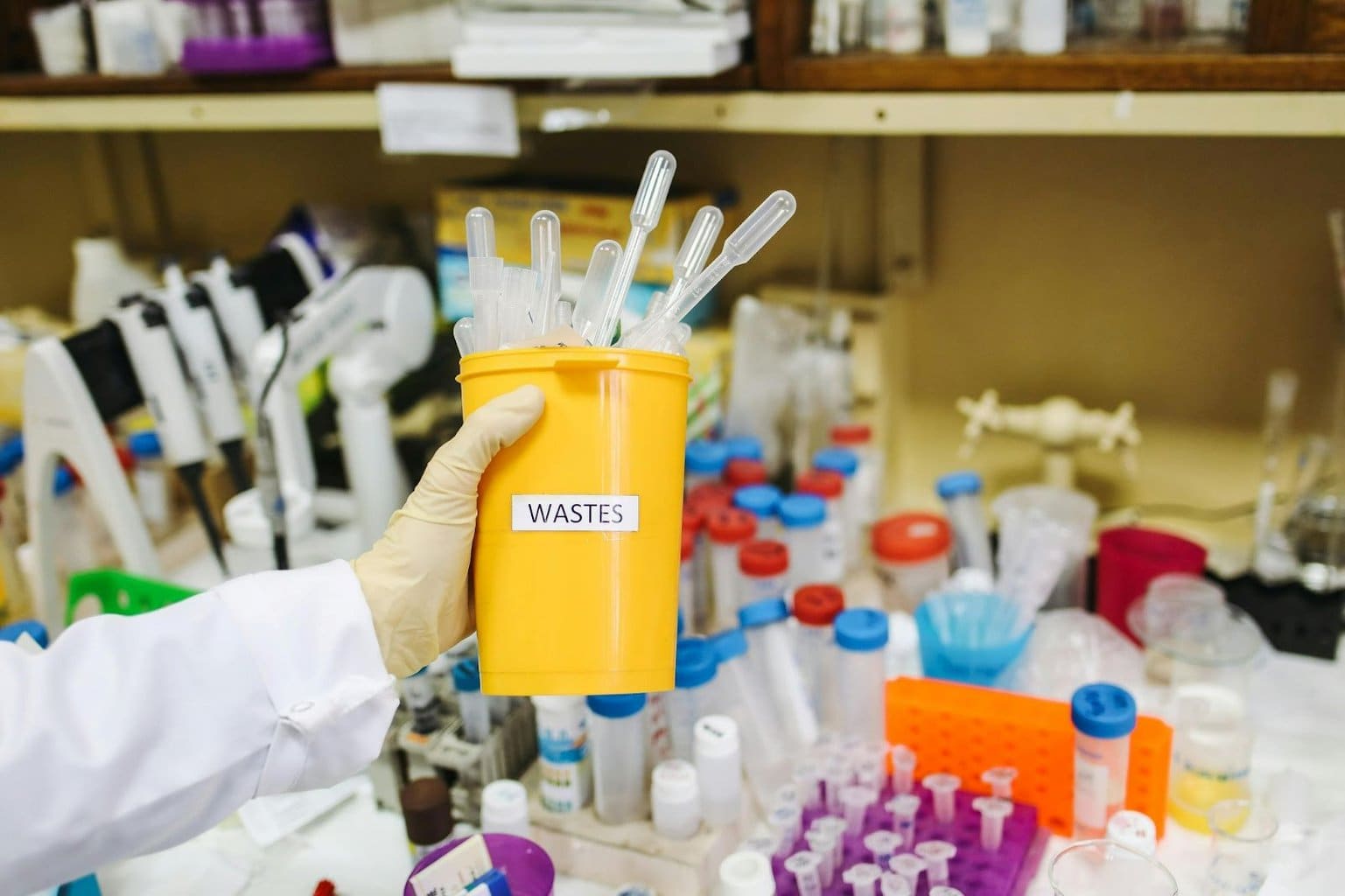
Healthcare waste management is a critical issue that impacts both public health and the environment. With the rise in medical waste generation, finding effective and sustainable strategies for waste disposal has never been more urgent. Implementing simplified waste management practices not only reduces environmental harm but also promotes efficiency within healthcare facilities.
Creating a greener future requires a shift in how healthcare providers approach waste management. By adopting practices such as waste segregation, recycling, and utilizing eco-friendly materials, healthcare organizations can significantly minimize their carbon footprint. This transition not only benefits the planet but also enhances the reputation of healthcare providers as responsible entities.
As the conversation around sustainability grows, it is essential to recognize that effective waste management is within reach. By embracing innovative solutions and fostering a culture of responsibility, healthcare agencies can lead by example in creating a cleaner, safer environment for all.
Current Challenges in Healthcare Waste Management
Healthcare waste management faces numerous difficulties that hinder effective practices. Key challenges include navigating regulatory compliance, understanding the environmental impact, and addressing cost factors that affect waste management programs.

Regulatory Compliance Issues
Healthcare organizations must comply with a complex set of regulations concerning waste management. Different jurisdictions impose specific guidelines for the handling, transportation, and disposal of hazardous and non-hazardous waste. Failure to adhere to these regulations can lead to significant fines and penalties.
Moreover, the rapid changes in laws and regulations can create confusion among healthcare providers. Training staff on compliance is essential but often overlooked due to time constraints. This gap in knowledge can result in improper segregation of waste, increasing risks associated with medical waste disposal.

Environmental Impact of Medical Waste
The disposal of medical waste poses severe environmental threats. Improper disposal methods can lead to harmful substances contaminating soil and water. Materials such as pharmaceuticals and sharps can contribute to long-lasting ecological damage.
Landfills housing medical waste can release toxins into the environment, negatively affecting local wildlife and ecosystems. The carbon footprint associated with incineration and transportation of medical waste further exacerbates environmental issues. Reducing the negative impact of medical waste demands immediate action and innovative strategies.

Cost Factors and Budget Constraints
Financial limitations significantly influence healthcare waste management practices. Facilities often face tight budgets that restrict effective waste management solutions. Implementing proper waste segregation, recycling programs, and safe disposal methods can incur additional costs.
Many organizations prioritize day-to-day operations over waste management, viewing it as a secondary concern. As a result, programs may be underfunded, leading to reduced staff training and inadequate equipment. Addressing budget constraints is crucial for enhancing compliance and protecting the environment effectively.
Innovative Strategies for Waste Reduction
Implementing innovative strategies is crucial for effective healthcare waste reduction. These approaches can significantly lessen the environmental impact while promoting a sustainable healthcare system.
Adoption of Sustainable Materials
Healthcare facilities can transition to sustainable materials to minimize waste. This involves utilizing biodegradable and recyclable products in medical supplies and packaging. For example, using plant-based plastics can reduce the volume of non-biodegradable waste.
Key sustainable materials include:
- Biodegradable bags for waste disposal
- Recyclable containers for medical instruments
- Eco-friendly packaging for pharmaceuticals
Additionally, partnerships with suppliers committed to sustainability can enhance efforts. Comprehensive assessments of material use can also identify opportunities for improvement.

Technological Innovations
Technological advancements play a vital role in waste reduction within healthcare settings. Automated systems for waste segregation help in effectively separating recyclable materials from general waste. This reduces the volume sent to landfills.
Key innovations include:
- Smart waste bins that alert staff when full
- Digital tracking systems for waste management
- Advanced sterilization technologies that minimize waste in disposal
Investing in such technologies not only decreases waste but also improves operational efficiency. Implementing monitoring systems can track waste production and identify areas for further reduction.

Effective Training Programs for Staff
Training programs are essential for ensuring that healthcare staff understand waste management practices. Comprehensive education can empower employees to make informed decisions about waste disposal.
Important components of training include:
- Waste segregation protocols to minimize contamination
- Information on sustainable materials and their benefits
- Regular workshops to update staff on best practices
Encouraging a culture of sustainability within the organization fosters commitment. Regular feedback and assessments can help measure the impact of training on waste reduction efforts.
Streamlining Waste Segregation and Collection
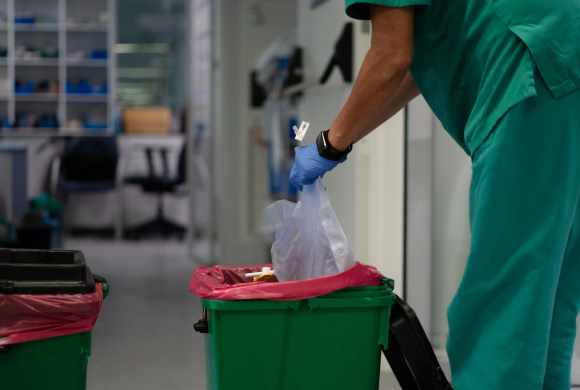
Effective waste segregation and collection are vital for minimizing healthcare waste impact. Implementing organized systems can enhance waste management processes and promote environmentally friendly practices.
Color-Coded Bin Systems
A color-coded bin system simplifies waste segregation by categorizing types of waste. Each color represents a specific waste class, providing clear guidance for healthcare staff. For instance:
- Red: Biohazardous waste
- Yellow: Infectious waste
- Blue: Non-hazardous waste
- Green: Recyclable materials

This visual system reduces confusion and increases compliance among personnel. Training sessions can further reinforce the importance of proper segregation. Regular audits on bin usage help identify areas for improvement and ensure adherence to protocols.
The overall effectiveness of color-coded systems relies on maintenance and visibility. Bins should be strategically placed throughout facilities, clearly marked, and frequently serviced to prevent overflow.
On-Site Treatment Solutions
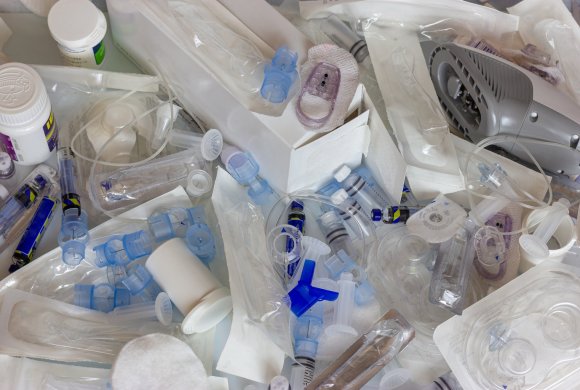
On-site treatment solutions for waste offer immediate disposal methods, minimizing transportation and landfill impact. Technologies such as autoclaving and microwaving treat waste at the source, making it safer for disposal.
Autoclaving uses steam to decontaminate waste, effectively sterilizing materials such as surgical instruments and other hazardous items. Microwave treatment involves heating waste with microwaves, significantly reducing pathogenic inactivation.
Implementing these systems can result in substantial cost savings and increased efficiency. Facilities can optimize waste management by investing in appropriate equipment and staff training. Regular maintenance checks and updates ensure the technologies remain effective and compliant with regulations.
Implementation and Monitoring
Incorporating effective strategies for implementation and monitoring is essential for improving healthcare waste management practices. The following key approaches can create a framework for sustainable operations.
Setting Measurable Goals
Establishing measurable goals is crucial in the effective management of healthcare waste. Clear objectives such as reducing hazardous waste by 25% within a year can guide initiatives.
These goals should also be specific to the types of waste generated. For instance, hospitals can focus on increasing recycling rates for specific materials like plastics and paper.
Regularly reviewing these goals ensures accountability. Engaging staff at all levels enhances commitment, fostering a culture of sustainability.

Regular Auditing and Reporting
Conducting regular audits is vital in assessing compliance with waste management protocols. Organizations should implement a structured auditing schedule, utilizing checklists to evaluate adherence to established standards.
Reporting findings creates transparency and provides a basis for informed decision-making.
Key metrics to track may include the volume of waste generated, recycling rates, and instances of non-compliance. Results should be shared with stakeholders to maintain engagement and accountability.
Continuous Improvement Frameworks
Implementing a continuous improvement framework allows organizations to adapt and optimize waste management strategies. This involves regularly updating protocols based on data collected from audits and reporting.
Training sessions and workshops can be tailored to address any identified gaps in knowledge or practice.
Utilizing feedback mechanisms encourages staff to provide insights, enhancing the overall effectiveness of the program.
Incorporating a Plan-Do-Check-Act (PDCA) cycle can facilitate gradual improvements, ensuring that healthcare facilities remain responsive to challenges in waste management.
Leave a Reply