


As environmental concerns continue to grow, more industries are seeking ways to reduce their carbon footprint—including the self-storage sector. While often overlooked in sustainability discussions, self-storage facilities are increasingly implementing eco-friendly initiatives to reduce energy consumption, minimize waste, and promote sustainable practices.
Whether you’re an individual looking for a green storage solution or a business aiming to reduce its environmental impact, understanding these advancements can help you make more informed and responsible choices.
The Environmental Impact of Traditional Self-Storage

Self-storage facilities cover millions of square feet across the globe, consuming significant amounts of electricity, water, and building materials. Traditionally, these facilities rely on high-energy lighting, inefficient climate control systems, and conventional building materials that contribute to carbon emissions. Additionally, the materials used for storage—such as plastic containers, non-recyclable packing materials, and excess waste—add to environmental degradation.
However, the industry is evolving to embrace sustainability. Many self-storage companies are now adopting green technologies and sustainable business practices, making it easier for eco-conscious consumers to find environmentally friendly solutions.
How Self-Storage Facilities Are Going Green

1. Energy-Efficient Lighting and Solar Power
One of the easiest and most effective ways storage facilities are becoming more sustainable is by switching to energy-efficient lighting. LED bulbs consume significantly less energy and last longer than traditional fluorescent or incandescent bulbs, reducing both energy costs and landfill waste. Many facilities are also incorporating motion-sensor lighting to ensure that electricity is only used when necessary.
Additionally, some self-storage providers are harnessing solar energy to power their buildings. Solar panels installed on rooftops can generate renewable electricity, significantly cutting down on fossil fuel consumption and reducing long-term operational costs.
2. Sustainable Building Materials
Green construction practices are becoming a priority for new storage facilities. Many companies now use recycled steel, sustainable concrete, and non-toxic paints to construct their buildings. Recycled and reclaimed materials reduce the demand for new raw materials, decreasing the environmental impact associated with construction.
Some facilities are also incorporating green roofs—living plant systems that help with insulation, reduce heat absorption, and improve air quality. These eco-friendly features enhance sustainability while also making facilities more aesthetically appealing.

3. Water Conservation Strategies
Water usage is another significant concern, particularly for facilities with climate-controlled units. Sustainable storage companies are installing low-flow plumbing fixtures and implementing rainwater harvesting systems to reduce water waste. Some also incorporate xeriscaping—landscaping with drought-resistant plants—to minimize the need for irrigation.
4. Climate-Controlled Units with Energy Efficiency
While climate-controlled storage units are beneficial for protecting sensitive items, they can be energy-intensive. Eco-friendly facilities are addressing this issue by using advanced insulation materials, high-efficiency HVAC systems, and automated climate control technologies that optimize temperature and humidity while reducing unnecessary energy use.
5. Recycling and Waste Reduction Programs
Many self-storage businesses now encourage customers to participate in recycling programs. Some facilities provide designated recycling bins, while others have partnerships with local organizations to repurpose unwanted items. Encouraging tenants to donate, recycle, or upcycle items instead of discarding them into landfills helps create a more sustainable storage process.

6. Green Transportation and Moving Materials
Some eco-friendly self-storage companies offer sustainable moving solutions, such as:
- Reusable plastic bins instead of single-use cardboard boxes.
- Biodegradable packing materials are made from cornstarch or recycled paper.
- Partnerships with eco-friendly moving truck rental companies that use electric or fuel-efficient vehicles.
By making these sustainable options available, self-storage providers contribute to greener moving and storage practices.
How Consumers Can Choose an Eco-Friendly Self-Storage Facility

If you’re looking for a self-storage facility that aligns with your sustainability goals, consider the following factors:
- Look for Certifications: Some green self-storage facilities have certifications such as LEED (Leadership in Energy and Environmental Design) or ENERGY STAR ratings. These indicate adherence to strict environmental and energy-efficiency standards.
- Ask About Renewable Energy Usage: Inquire whether the facility uses solar panels or other renewable energy sources to power its operations.
- Check Waste Management Policies: Does the facility have a recycling program? Are there options for donating unused items? Facilities that promote waste reduction demonstrate a commitment to sustainability.
- Examine Climate-Control Features: Opt for facilities that use energy-efficient insulation and automated climate control to reduce power consumption.
- Research Green Moving Supplies: Consider renting reusable moving bins or using biodegradable packing materials instead of traditional plastic and cardboard.
The Future of Sustainable Self-Storage
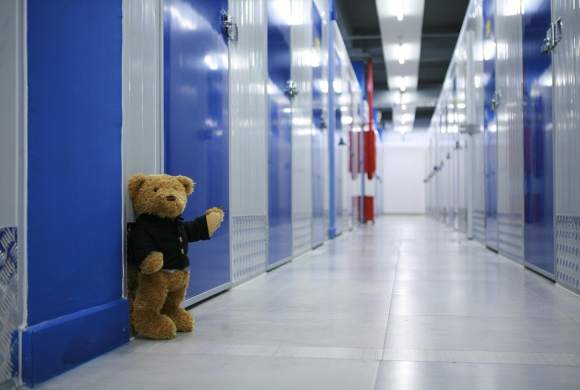
As consumers demand more eco-conscious options, the self-storage industry is likely to continue its shift toward greener practices. Future innovations may include advancements in smart energy management, expanded use of sustainable construction materials, and greater integration of renewable energy solutions. Additionally, as more customers prioritize sustainability, businesses that fail to adopt eco-friendly measures may find themselves falling behind in a rapidly evolving market.
By choosing sustainable self-storage options, individuals and businesses alike can contribute to a more environmentally responsible future. Whether through selecting a green facility, using sustainable packing materials, or participating in recycling programs, every small effort helps in the larger mission of reducing our collective carbon footprint.
Leave a Reply