

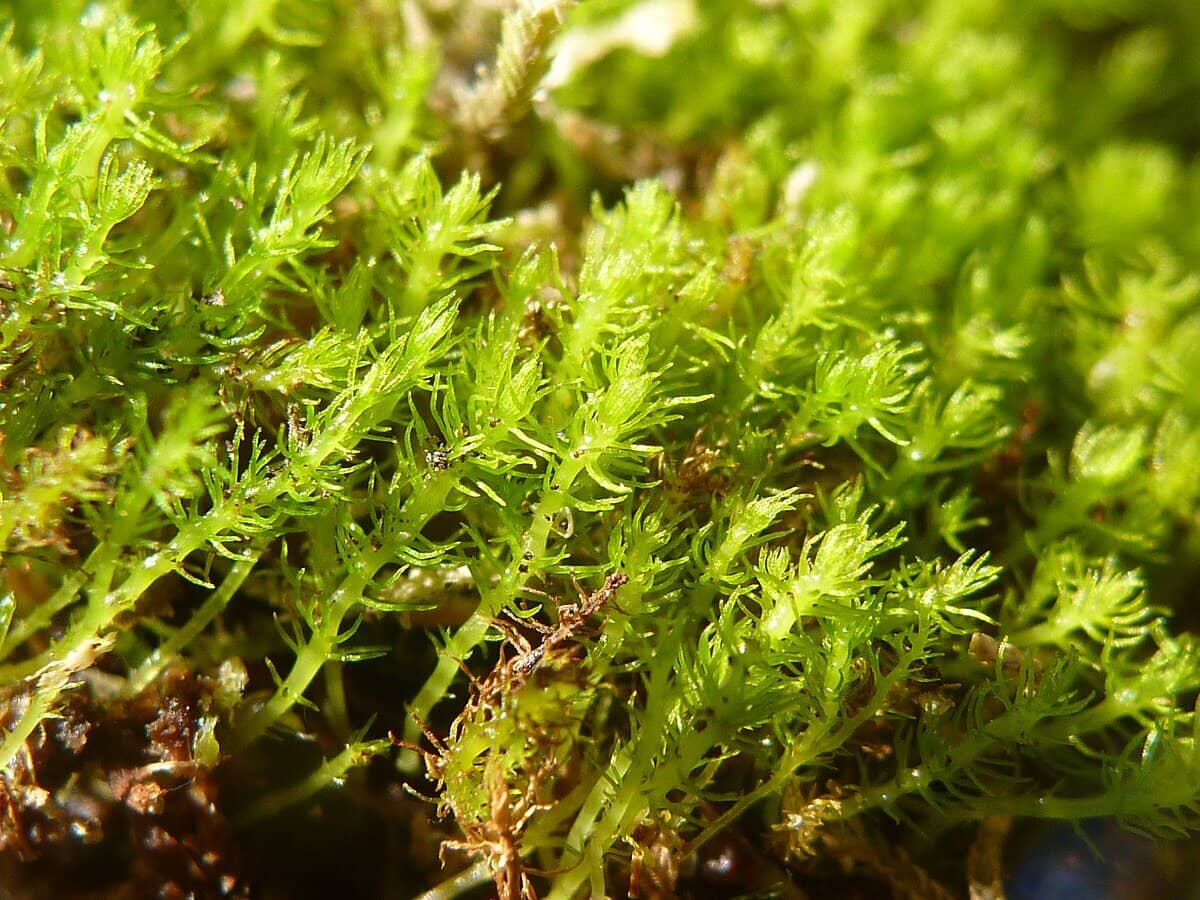
Mosses are among the earliest plants to colonize land, shaping ecosystems long before forests, flowers, or grasslands ever appeared. Among them, one ancient genus stands out as both extraordinary and fragile, Takakia.
Known as one of the oldest mosses on Earth, it has survived for hundreds of millions of years, enduring ice ages, shifting continents, and intense radiation at high altitudes. Yet despite its long history of resilience, this living fossil now faces a critical challenge.
Climate change, driven by human activity, may prove too rapid for even this hardy survivor to withstand.
Let’s talk more about what makes this moss unique, how it adapted to one of the harshest environments on the planet, why it plays such a vital role in understanding evolution, and why its survival is suddenly uncertain.
Ancient Origins

Takakia is not just old, it is ancient in a way that defies imagination. Scientists trace its lineage back around 390 million years, shortly after the very first land plants appeared. That means Takakia existed long before dinosaurs walked the Earth, and long before flowering plants covered the planet.
Its roots (see the puns there?) in revolutionary history are so deep that studying it offers a rare glimpse into how plants first adapted from aquatic life to life on land. Unlike many plants that changed their form dramatically over millions of years, Takakia is unusual because its shape has remained nearly the same for at least 165 million years.
Fossil evidence shows that this moss looked very similar even when it grew under conditions completely different from today. For that reason, it is often described as a “living fossil.” But while its outward form is stable, its genes tell a different story. Takakia has some of the fastest-evolving genes ever discovered in plants.
This genetic agility is what allowed it to survive so long in extreme environments, adjusting to shifts in temperature, light, and moisture that would have killed most other plants. The combination of an unchanging body and a rapidly changing genome makes it a fascinating paradox: a plant that looks timeless yet is constantly reinventing itself on the inside.
How Takakia Survives Harsh Environments
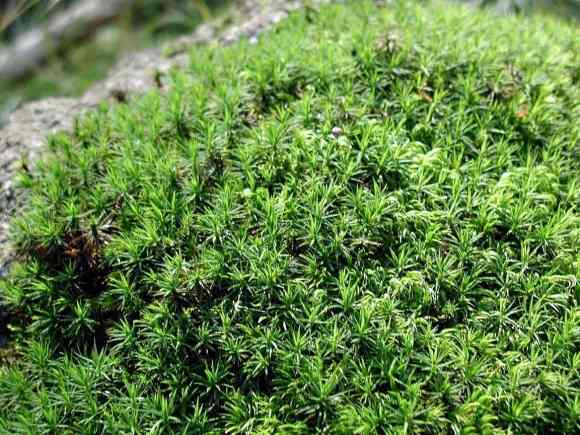
Takakia is found today only in a very limited region: the Tibetan Plateau, sometimes called the “roof of the world.” This is one of the highest, coldest, and harshest environments on Earth, where survival requires extraordinary adaptations.
For most of the year, the moss lies buried under snow, unable to photosynthesize or grow. When the snow finally melts, it emerges into conditions of intense ultraviolet radiation from the thin atmosphere. Temperatures can swing wildly, and water is often scarce. Despite all this, Takakia manages to persist.
Its survival strategy includes specialized tissues and genetic adaptations that protect it against radiation damage and help it regulate moisture. Over tens of millions of years, it fine-tuned these abilities to match its extreme environment. In doing so, Takakia became not just a survivor, but a teacher, showing us how plants adapt to life-threatening conditions without the help of modern technology.
But there is a catch. Takakia’s home is changing too quickly. The Tibetan Plateau is one of the fastest-warming regions on Earth. Measurements taken over the past decade show that temperatures in its habitat rise by nearly half a degree Celsius each year, a pace far faster than the global average.
Nearby glaciers, which help regulate water supply, are shrinking by around 50 meters every year. These shifts create a world that even the resilient Takakia may not be able to keep up with.
Why It Matters

The importance of Takakia goes far beyond its rarity. By existing almost unchanged for hundreds of millions of years, it serves as a living record of plant evolution. Studying it helps scientists understand how plants conquered land, how they developed systems to resist radiation and desiccation, and how genomes adapt to constant stress.
It also acts as a bioindicator. Because it grows in such sensitive environments, changes in its health and distribution reflect broader ecological changes. If Takakia populations shrink, it is not just a loss for biodiversity but also a warning sign about the rapid transformation of high-altitude ecosystems.
The decline of this moss also highlights the delicate balance of species survival. For millions of years, Takakia endured shifts in climate that unfolded gradually over geological timescales. Today, human-driven climate change is unfolding in mere decades. This mismatch in speed means that even the fastest-evolving genomes cannot always adapt quickly enough.
In that sense, Takakia teaches us not only about resilience but also about the limits of adaptation. It is a reminder that even life forms that survived asteroid impacts, mass extinctions, and ice ages can be pushed toward extinction when change comes too fast.
The Future

Despite its age and resilience, Takakia is now at risk of disappearing. Surveys over the past decade have shown its populations shrinking by more than 1% per year, a faster decline than that of other mosses living nearby. If this trend continues, large portions of its already limited habitat may vanish within a generation.
Losing Takakia would not only mean the extinction of a rare species but also the disappearance of a direct link to the earliest days of plant life on Earth. Fortunately, efforts are being made to protect it.
Some researchers are attempting to grow Takakia in controlled environments, preserving its genetic material and studying how it responds to different stressors. This approach may buy time and keep the species alive even if its wild populations continue to shrink.
Well, if one of the most resilient plants in history is struggling to survive, what does that say about the state of our planet?
Yet there is also hope. Protecting ecosystems, reducing emissions, and supporting conservation efforts can slow the pace of change and give species like Takakia a fighting chance. More than just a patch of moss, Takakia is a messenger. It reminds us that survival is possible when change comes slowly, but extinction is inevitable when change outruns the ability to adapt.
Sources:
Leave a Reply