


The global supply chain isn’t known for its eco-friendliness. For decades, fossil fuels, mass production, and linear thinking have powered it. But as climate concerns grow and consumer expectations shift, businesses are rethinking how goods get from one place to another.
Sustainability is no longer just a marketing buzzword. It’s a measurable goal—and increasingly, a competitive advantage. From agriculture to manufacturing, companies are now investing in green supply chains that prioritize environmental impact alongside efficiency and cost.
Rethinking the Supply Chain with Technology
In industries like food, fashion, and technology, brands are reevaluating their suppliers, reducing transportation emissions, and cutting waste. These changes often start upstream, where sourcing practices can make or break a product’s carbon footprint. Transitioning to more sustainable supply chain models isn’t just about swapping out packaging—it’s about overhauling how goods are made, moved, and delivered.
This shift also involves digital transformation. Companies are adopting advanced analytics and AI to trace materials, monitor emissions, and assess lifecycle impacts. Streamlining procurement and transport is now a cornerstone of corporate sustainability, helping teams identify inefficiencies and redesign their operations around environmental goals.
Cloud-based tools also play a growing role. Businesses use them to centralize supply chain data, automate workflows, and collaborate with suppliers in real time. These platforms provide insights that improve forecasting, reduce overproduction, and cut waste at every stage.

Smart Agriculture and Manufacturing Innovation
Many of these changes begin in agriculture. Sustainable farming practices like regenerative agriculture, no-till farming, and water-efficient irrigation reduce the environmental impact of crop production. Sourcing from farms that use these techniques allows companies to reduce their upstream emissions and improve soil health at the same time.
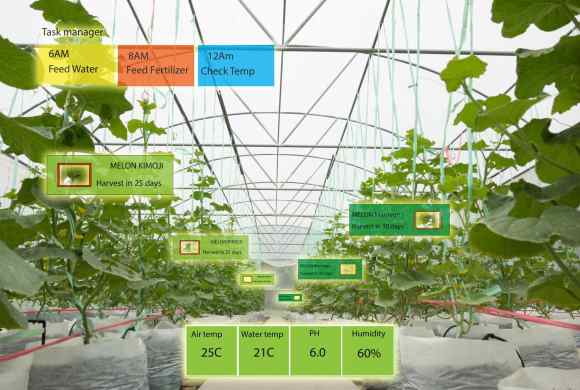
Agri-tech solutions are also making a difference. Sensors, satellite data, and AI-based monitoring tools help track moisture levels, optimize fertilizer use, and reduce runoff. These innovations are not just eco-friendly—they also boost yields and reduce costs over time.
Manufacturers are stepping up with innovations of their own. Renewable energy installations, such as rooftop solar panels or wind turbines, are helping factories reduce dependency on fossil fuels. Smart manufacturing systems are also being used to track energy usage in real time, enabling adjustments that cut emissions and lower utility bills.
Design also plays a role in sustainability. Manufacturers are moving away from single-use products and embracing modular designs that support repair and reuse. By building products with durability and recyclability in mind, companies extend product life and reduce landfill contributions.
Greener Logistics and Last-Mile Solutions
Transportation is another area ripe for change. Traditional freight methods—trucks, ships, and planes—contribute significantly to global carbon emissions. Green logistics initiatives focus on consolidating shipments, switching to rail where possible, and investing in electric delivery fleets. Even optimizing delivery routes through AI can lead to noticeable reductions in fuel use.
Last-mile delivery, often the most carbon-intensive stage, is getting a green makeover. Some companies are piloting cargo bikes in urban areas or using local micro-warehouses to shorten delivery distances. These approaches reduce traffic congestion and emissions while improving delivery speed.
Companies are also exploring alternative fuels. Biofuels, hydrogen, and electric drivetrains are gaining ground in freight fleets, especially in Europe and parts of Asia. While infrastructure challenges remain, early adopters are proving that cleaner transport is possible at scale.

Collaboration and Transparency Across the Chain
But green supply chains aren’t built overnight. They require collaboration between suppliers, manufacturers, and retailers. Establishing standards, sharing data, and aligning incentives are all crucial to making progress. Some businesses are forming partnerships or joining sustainability-focused consortiums to pool resources and knowledge.
Consumer-facing transparency is also key. Brands that publish supply chain maps or share details about their sourcing and labor practices are gaining consumer trust. In some sectors, third-party certifications like Fair Trade or Rainforest Alliance are becoming expected.
Challenges still exist. It can be expensive to retrofit existing infrastructure or find local suppliers who meet sustainability criteria. Small businesses may lack the capital or leverage to drive immediate change. That said, growing interest in eco-conscious operations is creating new pressure and opportunity for change.
The Role of Policy and Digital Regulation
Transparency is becoming a key part of supply chain strategy. Brands that can verify and communicate their sustainability efforts often see increased trust and loyalty. In contrast, those that rely on vague claims or greenwashing risk damaging their reputation.
Governments are also raising the bar. Legislation in the EU, California, and beyond is pushing companies to disclose their emissions and prove that their suppliers adhere to ethical and environmental standards. Green supply chains help businesses stay ahead of regulatory trends and avoid penalties.
Financial incentives are emerging as well. Some governments offer tax credits, grants, or low-interest loans to companies adopting sustainable practices. These policy tools can help offset the cost of transitioning to cleaner technologies and processes.

Building Resilient, Tech-Enabled Systems
Ultimately, this movement is about more than carbon offsets or biodegradable packaging. It’s a complete rethinking of how value is created—from the farm that grows the cotton to the factory that turns it into a T-shirt, and the delivery network that brings it to your door.
Companies that commit to green supply chains aren’t just helping the planet—they’re also future-proofing their operations. As raw materials grow scarcer and climate risks increase, resilience and adaptability will be as important as speed and cost.
Looking ahead, supply chain leaders are being asked to think differently. They must weigh environmental costs alongside financial ones and consider the full lifecycle of the products they move. That kind of big-picture thinking is no longer optional—it’s essential.
The transition is still unfolding, but momentum is building. More industries are investing in data-driven tools that help reduce inefficiencies and improve sustainability across every stage of the supply chain. The next time you pick up a product, consider the journey it took to reach you. There’s a good chance that journey is getting greener by the day.
Leave a Reply