

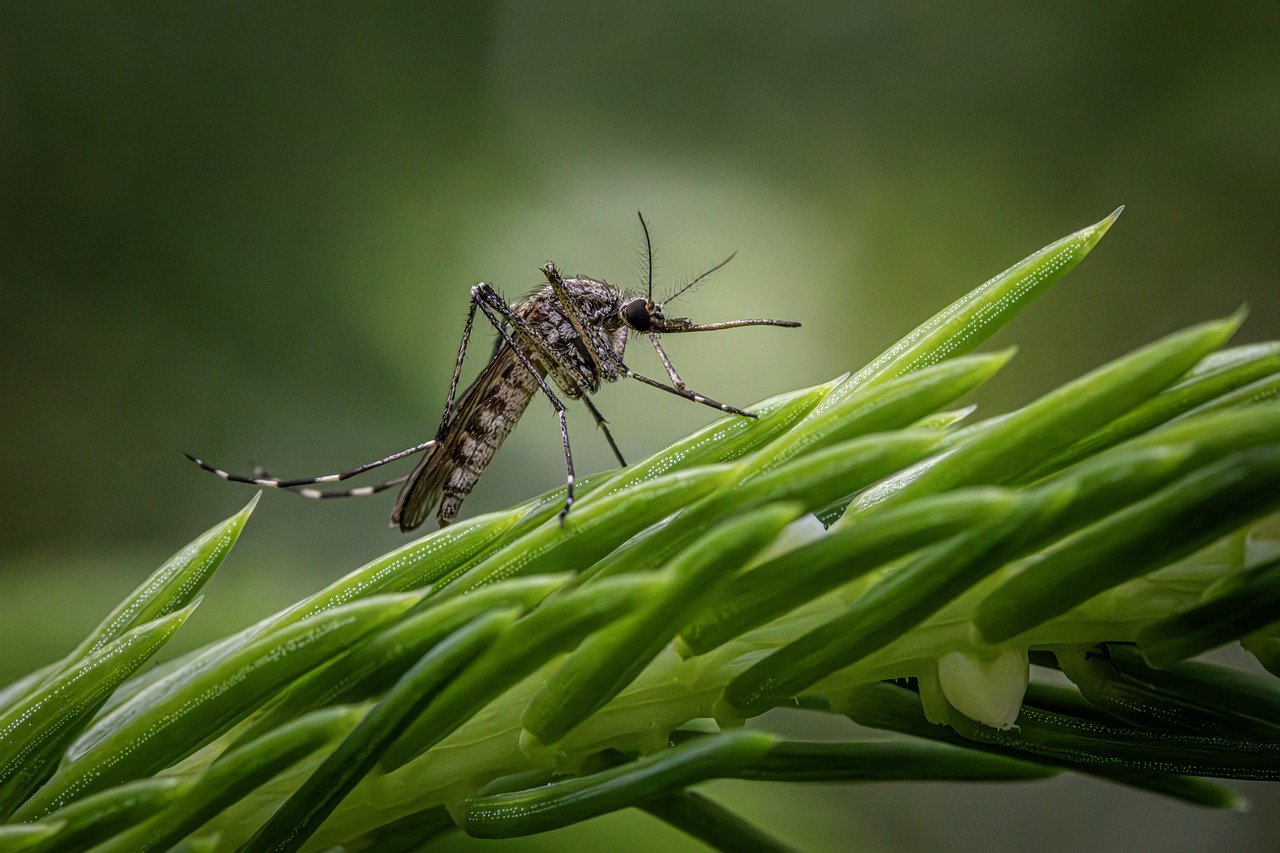
Mosquitoes can be a major nuisance, especially during warm seasons, and while mosquito repellents are effective, there’s a more natural way to keep these pesky insects at bay. Introducing mosquito-repelling plants into your home or garden offers both a beautiful aesthetic and a natural defense.
Certain plants emit scents and compounds that mosquitoes dislike, making them ideal for adding a layer of protection to outdoor and indoor spaces. In this guide, we’ll cover some of the most effective mosquito repelling plants, including hanging plants that keep mosquitoes away and indoor/outdoor plants that repel mosquitoes for use inside your home.
Why Use Mosquito-Repelling Plants?
Plants that naturally repel mosquitoes are a great addition to any home because they reduce the need for chemical sprays, which can be harsh on the environment and irritating to the skin. These plants produce strong scents, essential oils, and other compounds that mosquitoes find unappealing, offering a gentle yet effective method for controlling mosquitoes.

By strategically placing these plants around entry points, near windows, and in outdoor spaces, you can help reduce the number of mosquitoes in your environment. Not only will they protect you from bites, but they also add a refreshing fragrance and beauty to your surroundings.
Top Mosquito-Repelling Plants for Your Home and Garden
Here’s a list of popular mosquito-repelling plants that are easy to grow and effective in keeping mosquitoes away. Each plant offers unique benefits, whether you prefer indoor plants, hanging options, or outdoor varieties.
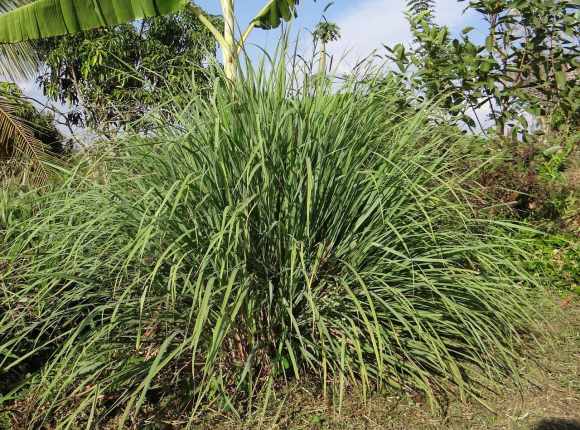
- Citronella (Cymbopogon nardus)
– Type: Outdoor plant
– Ideal Placement: Around patios, doorways, and garden perimeters
Citronella, is perhaps the most well-known mosquito-repelling plant. Its strong lemony scent is unpleasant to mosquitoes, which is why citronella oil is often used in candles and sprays. Citronella thrives in warm climates and can be planted directly in the ground or kept in large pots around outdoor seating areas.
- Lavender (Lavandula)
– Type: Outdoor and indoor plant
– Ideal Placement: Near windows, in garden borders, or as potted plants indoors
The soothing scent of lavender is a favorite for humans but a natural repellent for mosquitoes. This hardy plant can be grown outdoors in sunny areas and even brought indoors, making it versatile for any environment. Lavender plants require minimal water and care, making them a low-maintenance option for mosquito control.

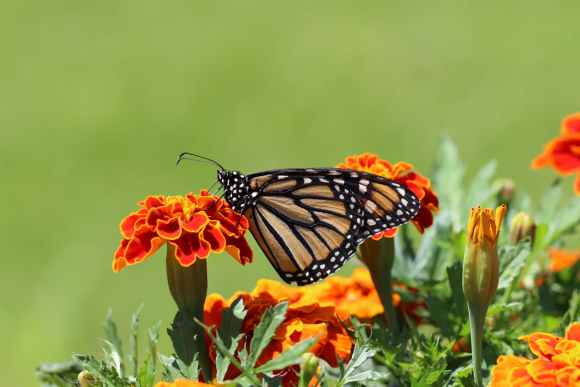
- Marigold (Tagetes)
– Type: Outdoor plant
– Ideal Placement: Garden borders, entry points, and patio areas
Marigolds release a chemical called pyrethrum, commonly found in insect repellents. Their bright yellow and orange flowers are visually appealing and make them ideal for garden beds or potted displays on porches and balconies. Marigolds thrive in sunny locations and are easy to grow from seed.
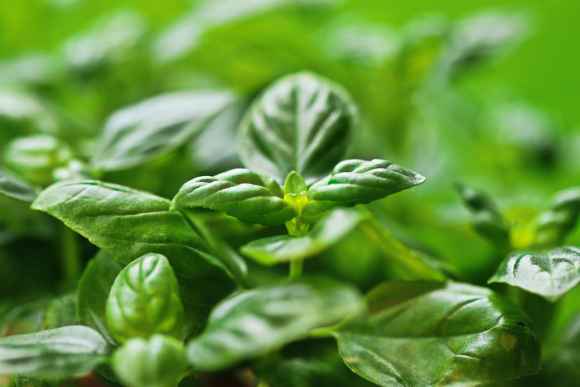
- Basil (Ocimum basilicum)
– Type: Indoor and outdoor plant
– Ideal Placement: Kitchen windowsills, patios, or near garden entrances
Basil is a practical choice for anyone looking for a mosquito-repelling plant that doubles as a cooking ingredient. The plant emits a strong scent that mosquitoes dislike, especially varieties like lemon and cinnamon basil. Place basil in sunny areas and water it regularly to keep it healthy and aromatic.
Hanging Plants That Repel Mosquitoes
Hanging plants are a fantastic choice for those with limited space or who want to keep plants off the ground. These mosquito-repelling hanging plants add style and functionality to your environment.
- Creeping Rosemary (Rosmarinus officinalis ‘Prostratus’)
– Ideal Placement: Hanging baskets around patios, decks, or porches
Creeping rosemary has a robust, aromatic scent that repels mosquitoes while offering the culinary benefits of regular rosemary. It cascades beautifully from hanging baskets and can also be grown along the edges of planters, making it ideal for patio areas. With plenty of sunlight, it will flourish and release its scent effectively.

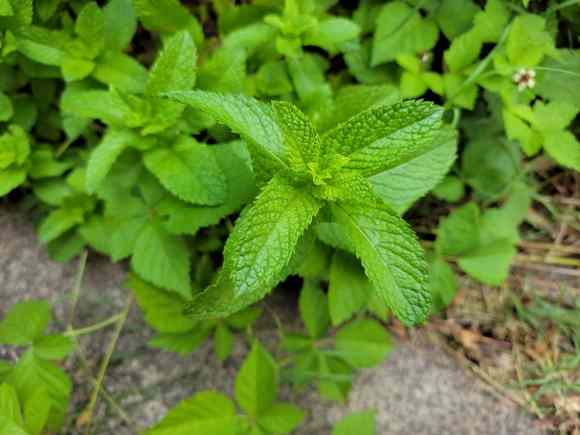
- Mint (Mentha)
– Ideal Placement: Hanging baskets or pots around entryways and patios
Mint is easy to grow, has a fresh scent, and is a powerful mosquito deterrent. This plant does well in hanging baskets, as it tends to spread when planted directly in garden beds. The aroma of mint is known to repel mosquitoes effectively, and the leaves can be used in various recipes or teas. Mint plants prefer shaded areas, making them suitable for a variety of placements.
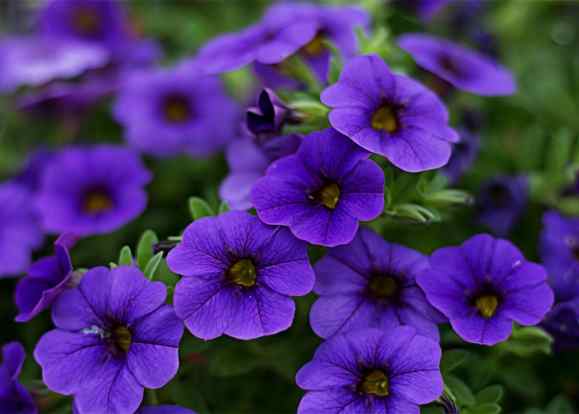
- Petunias (Petunia)
– Ideal Placement: Hanging baskets near outdoor seating areas or garden borders
While petunias aren’t as well-known for repelling mosquitoes as some other plants, they do emit compounds that repel insects like aphids and certain mosquito species. Petunias are colorful, easy to maintain, and add charm to any space. They thrive in full sun and are perfect for hanging baskets or containers.
Indoor Plants That Repel Mosquitoes
Indoor plants not only add a touch of greenery to your home but can also help keep mosquitoes away when placed in high-traffic areas.
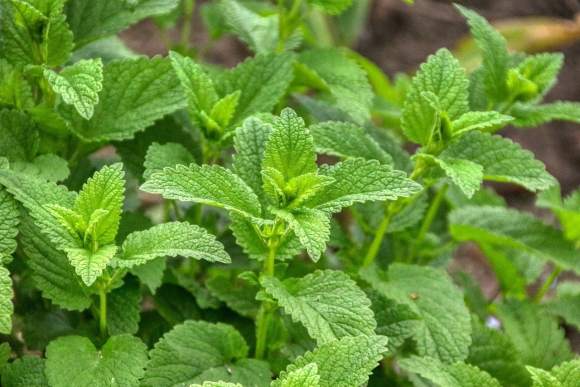
- Lemon Balm (Melissa officinalis)
– Ideal Placement: Near windows or doors indoors
Lemon balm emits a strong lemon fragrance that deters mosquitoes. It can be grown indoors near windows where it receives partial sunlight. This plant grows quickly and can also be used to make teas or herbal remedies. Trim it back regularly to prevent it from becoming too bushy.
- Snake Plant (Sansevieria trifasciata)
– Ideal Placement: Bedrooms, living rooms, or near entryways
The snake plant is excellent for indoor air purification and has properties that repel mosquitoes. While its scent isn’t as strong as other mosquito-repelling plants, it’s known to emit oxygen at night, which helps keep the air fresh. Snake plants are very low-maintenance, requiring minimal water and light.

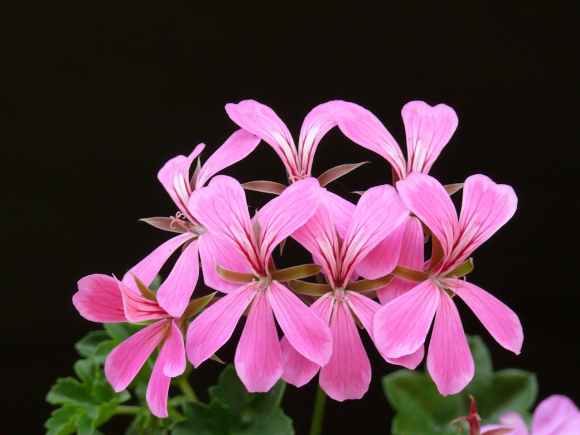
- Geranium (Pelargonium graveolens)
– Ideal Placement: Bright windowsills or near entrances
Some types of geraniums, particularly citronella-scented varieties, emit a lemony aroma that repels mosquitoes. These colorful, flowering plants add a cheerful look to your home while working as a natural insect deterrent. Geraniums require ample sunlight and should be kept in well-drained soil.
How to Maximize the Effectiveness of Mosquito-Repelling Plants
To make the most of mosquito repelling plants in your environment, try the following strategies:
– Combine Varieties: Mixing several mosquito-repelling plants together can increase their effectiveness. For example, placing citronella and lavender near each other around a patio can create a stronger scent barrier.
– Regular Pruning: To keep plants like basil, mint, and lemon balm fragrant, prune them regularly. This releases fresh scents that mosquitoes find unpleasant.
– Add Essential Oils: Crush leaves of plants like mint or rosemary and place them around seating areas to amplify their repellent effects. Alternatively, add a few drops of essential oils from these plants to water and spray around your outdoor space.

Benefits of Using Mosquito-Repelling Plants
– Eco-Friendly: Reduces reliance on chemical repellents, protecting the environment.
– Low Maintenance: Most mosquito-repelling plants require minimal care, making them suitable for novice gardeners.
– Multi-Purpose: Many plants, like basil, rosemary, and mint, are not only mosquito repellents but also culinary herbs.
– Aesthetic Appeal: Adds natural beauty and fragrance to any garden or home.
Conclusion: Transform Your Space with Mosquito-Repelling Plants
Adding mosquito repelling plants to your home or garden is an easy and effective way to create a natural barrier against mosquitoes. Whether you prefer indoor plants that repel mosquitoes for indoor areas or hanging plants that repel mosquitoes for compact spaces, these plants serve multiple purposes—offering beauty, fragrance, and pest control.
For even more expert tips, detailed guides, and product recommendations to keep your surroundings mosquito-free, visit MosquiTalk.com. Let MosquiTalk be your go-to source for all things related to mosquito-prevention and protection!
Leave a Reply