


Not all venom was created equal. Some bites and stings from venomous animals caused little more than localized irritation and faded within hours. Others delivered pain so severe and so persistent that victims described it in terms that sounded almost poetic in their extremity.
The bullet ant’s sting, for instance, was described by entomologist Justin Schmidt, who created a pain scale specifically to rank insect stings, as “pure, intense, brilliant pain, like walking over flaming charcoal with a 3-inch nail embedded in your heel.”
Schmidt built his index by experiencing the stings himself, which gave the rankings an authenticity that laboratory measurements alone could not capture.
Across the animal kingdom, the creatures that delivered the most painful stings and bites ranged from insects barely visible in the grass to fish hiding in plain sight on the ocean floor.
So, why don’t we just talk about them? Here we will categorize them based on how or where they live. Or simply who they are.
The Insect World’s Most Feared
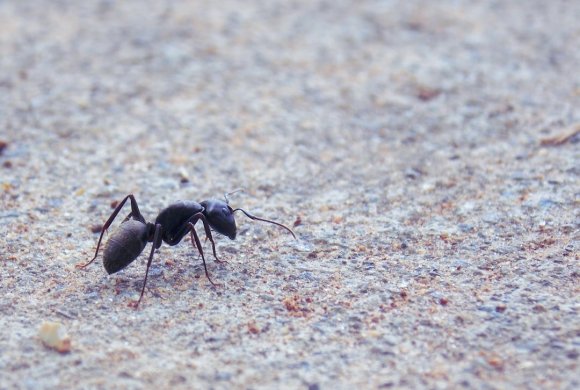
The bullet ant, native to South America, held the top position on the Schmidt Sting Pain Index for any insect. Local communities in some parts of South America referred to it as the 24-hour ant, a name that described exactly how long the pain from a single sting lasted.
Despite the intensity, the sting was not fatal and caused no permanent damage. The pain simply dominated the experience for a full day before fading.
The tarantula hawk wasp ranked second on the same index. A large, solitary wasp that hunted tarantulas, it paralyzed spiders with its sting and then laid eggs on the immobilized body.
To bring down prey as large and strong as a tarantula required a genuinely powerful venom, which was why the wasp’s sting registered so high on the pain scale. The experience, though intense, was reportedly brief, with the worst of the pain lasting only around five minutes.
Scorpions, Spiders, and Lizards

Among scorpions in North America, the Arizona bark scorpion was both the most venomous and the most commonly encountered by humans. It spent its days hidden in dark crevices and came out to hunt at night, which made accidental encounters with bare feet and hands far more likely than with species that stayed in more remote habitats.
Its venom caused acute pain, muscle convulsions, breathing difficulties, and in some cases immobilization of limbs. While rarely fatal, the effects could persist for up to 72 hours.
The black widow spider, one of the most widely recognized venomous spiders in the world, was capable of bites that went unnoticed at first, sometimes feeling like nothing more than a small pinprick.
Within an hour, however, the venom spread and produced pain throughout the body, high blood pressure, difficulty breathing, muscle weakness, and nausea. Only female black widows delivered bites that posed a serious risk to humans. Males were smaller, contained less venom, and produced bites that were considerably less severe.
The Gila monster, one of only a small number of venomous lizards in the world, lacked the muscle structure needed to inject venom by force. Instead, it relied on chewing.
Its sharp teeth created wounds through which the venom entered, and the lizard’s jaw grip was strong enough that it had been known to flip over during a bite, further opening the wound in the process.
Gila monsters were generally not aggressive toward humans unless disturbed, but the bite produced significant pain when it occurred.
Snakes and Their Varying Venom
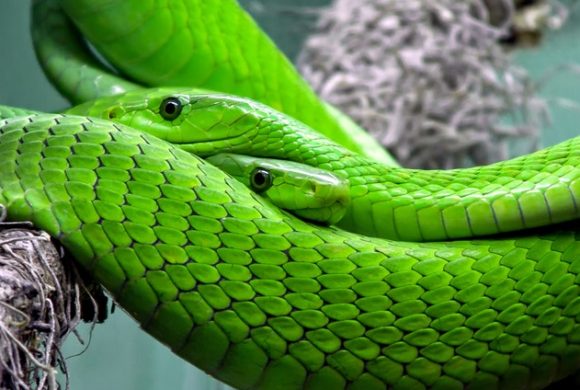
Pit vipers, the group that included copperheads, water moccasins, and rattlesnakes, were the most commonly encountered venomous snakes in the United States.
Among them, the copperhead was responsible for more venomous bites annually than any other species, largely because it shared habitat with human populations across much of the eastern and southern United States.
The copperhead’s venom was, somewhat counterintuitively, among the least potent of all North American pit viper species. But its bites still caused severe pain, swelling, and symptoms including changes in heart rate and difficulty breathing. Untreated bites risked permanent tissue damage around the wound site.
Creatures of the Ocean Floor
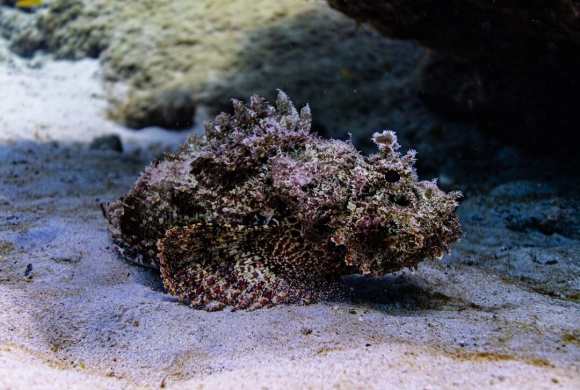
The stonefish was the most venomous fish in the world and was capable of delivering a sting that could be fatal to humans. What made it especially dangerous was its near-perfect camouflage.
Resting motionless on the ocean floor or among coral reefs, it was almost indistinguishable from the rocks and rubble around it. Most stings occurred when swimmers or waders unknowingly stepped on one.
The venom, delivered through spines along the dorsal fin, caused extreme pain, irregular heartbeat, temporary paralysis, and shock. Treatment required antiserum, and reaching medical care quickly was essential.
Stingrays also delivered painful encounters that occurred mainly by accident. Their venomous barbs were located on their tails and used defensively rather than aggressively, meaning that the majority of human stings happened when someone stepped on a ray resting on the sandy floor of shallow water.
Effects ranged from localized pain and swelling to more serious symptoms including muscle cramps, breathing difficulty, and chest pain, typically developing within six to 48 hours of the encounter.
Box jellyfish occupied a different category entirely. Their venom was so potent that they were widely considered among the most dangerous animals in the ocean.
Contact with their tentacles, even from jellyfish that had washed up on the beach and appeared dead, triggered a response that could cause extreme pain, shortness of breath, and cardiac arrest within five minutes.
Researchers had been working on an antidote that could block the venom’s effects if applied to the skin within 15 minutes of contact.
An Unexpected Addition
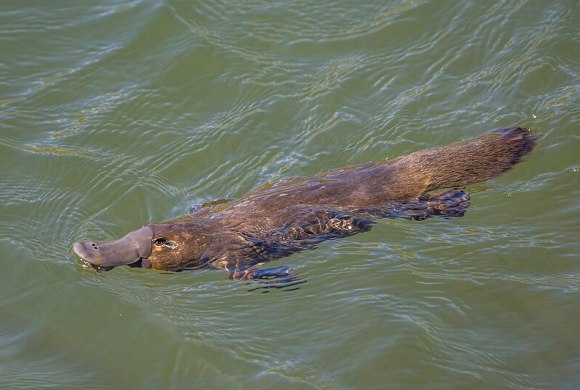
Among the least expected entries on any list of painful venomous animals was the platypus. Native to Australia and instantly recognizable, it projected an image of harmlessness. Male platypuses, however, carried ankle spurs on their hind legs that delivered a venom capable of causing intense pain and swelling in humans.
What made the sting particularly difficult to manage was that conventional painkillers had no effect on it. The platypus rarely used its spurs against humans, reserving them primarily for competition with rival males during breeding season.
But for anyone who encountered an agitated male at close range, the experience left a lasting impression.
Sources:
Leave a Reply