


When we picture pollution, we tend to think of what we can see: plastic debris, oil slicks, murky water. But one of the most disruptive forms of pollution in the ocean is invisibly loud. It travels fast, spreads far, and does not fade when we look away.
Ocean noise has become a constant background presence in many parts of the sea, reshaping how marine life communicates, feeds, migrates, and survives. Over the past few decades, human-made noise has risen dramatically, in some regions doubling each decade.
The ocean, once dominated by natural sounds like waves, wind, and animal calls, is now filled with engines, sonar, explosions, and construction. Let’s talk how irritating it is to the animals and other creatures living in the ocean.
Let’s Start with Soundscape
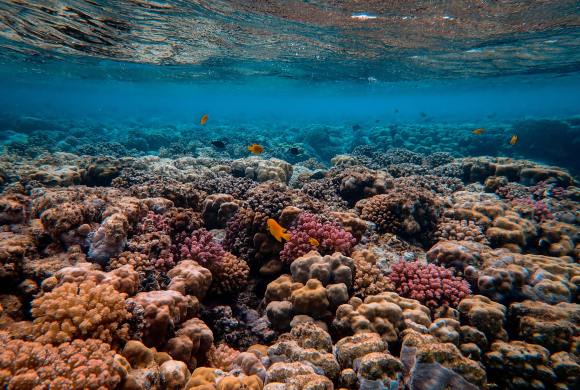
Sound travels farther and faster in water than in air, which makes hearing one of the most important senses for marine life. Whales, dolphins, fish, and even tiny invertebrates rely on sound to navigate, locate food, avoid predators, and find mates.
When human noise enters this environment, it does not simply add another sound. It alters the entire acoustic landscape. Ocean noise comes from many sources. Commercial shipping is the most widespread, producing low-frequency noise that can travel hundreds of kilometers.
Seismic surveys used in oil and gas exploration release powerful airgun blasts at regular intervals. Military sonar, underwater construction, pile driving, and even recreational boating all contribute additional layers of sound.
This constant noise masks natural signals. Calls that once traveled clearly now fade into interference. Animals must work harder to communicate, which increases stress and energy use.
In some cases, sound-sensitive species abandon habitats altogether, which creates a form of habitat loss that leaves no physical trace. The water looks the same, but functionally it has become unlivable.
As noise levels rise, the ocean becomes less predictable and more hostile. Survival depends not just on avoiding predators or finding food, but on coping with an environment that no longer sounds the way it should.
Explosive Disturbance
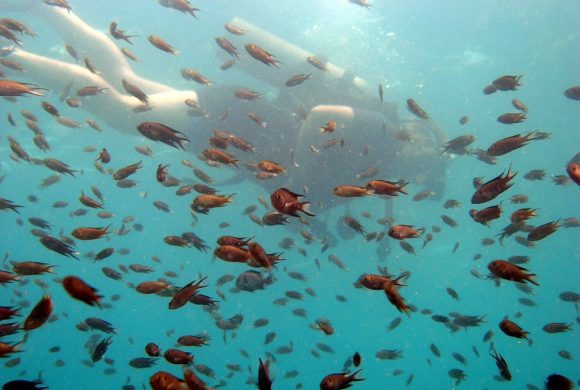
Among the loudest contributors to ocean noise are seismic surveys. These surveys use airguns that release intense bursts of sound into the water every few seconds, sometimes for weeks at a time. The goal is to map the geology beneath the seafloor, often in search of oil and gas. The effect on marine life can be severe.
Sound levels during seismic surveys can increase background noise by orders of magnitude across enormous areas. Marine animals exposed to this noise may suffer internal injuries, hearing damage, and behavioral disruption. There is evidence linking seismic activity to mass whale strandings, which suggests that disorientation and physical harm may occur together.
Impulsive sounds create a different kind of problem. These are sudden, sharp noises produced during construction, demolition, or certain fishing practices. Pile driving for offshore infrastructure sends repeated shockwaves through the water.
Explosives used to remove underwater structures generate extreme pressure changes that can kill nearby organisms outright.
Military sonar adds another layer of complexity. Low-frequency active sonar, designed to detect submarines, operates in ranges that overlap with the hearing sensitivity of many whales. Exposure has been associated with changes in diving behavior, panic responses, and physical trauma related to rapid surfacing.
Even devices designed to protect marine life can cause harm. Acoustic deterrent devices are meant to keep animals away from fishing gear, but their intense sound can cause pain and stress, affecting both target species and unintended ones.
From Whales to Zooplankton
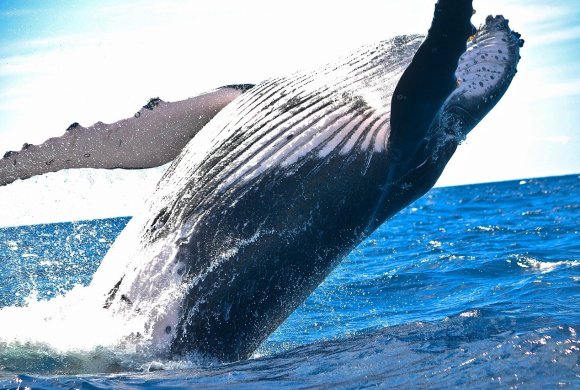
The impacts of ocean noise extend across the food web. Large, highly vocal animals like whales are often the most visible victims, but they are not the only ones affected.
Studies of humpback whales show that when noise levels rise, whales change how they communicate. They may call louder, call less often, or stop vocalizing entirely. These adjustments can interfere with mating, coordination, and social bonding.
Over time, reduced communication can affect population health. Fish also depend on sound more than we often realize. Many species use acoustic cues to find suitable habitats, especially during early life stages.
Artificial noise can confuse these signals, leading young fish to settle in poor-quality environments or fail to orient themselves at all. This weakens populations gradually, without dramatic die-offs.
At the smallest scale, zooplankton may be among the most vulnerable. Research shows that a single seismic airgun blast can kill large numbers of microscopic organisms.
Zooplankton form the base of marine food webs, which means their loss ripples outward. Fewer zooplankton means less food for fish, which means less energy moving up the ecosystem.
Noise does not always kill directly. Often, it stresses organisms, weakens immune systems, and alters behavior in ways that reduce survival over time. These effects are subtle, cumulative, and easy to overlook, which makes them especially dangerous.
Turning Down the Volume
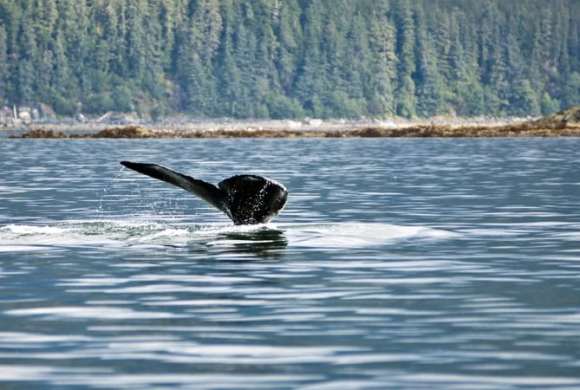
The most effective way to address ocean noise is to reduce it at the source. Unlike chemical pollution, sound disappears once it is no longer produced. This makes noise reduction one of the most achievable forms of environmental protection, if there is enough will to act.
Quieter ship designs, improved propellers, and better maintenance can significantly lower noise from commercial vessels. Slower speeds reduce both noise and fuel use. Routing ships away from sensitive habitats can limit exposure during critical periods like migration and breeding.
And just like any other problem on earth that human cause, policy tools matter. Regulations can actually set noise limits for certain activities, while incentive-based measures can encourage industries to adopt quieter technologies. These approaches already exist for air and water pollution, and sound can be managed in similar ways.
Marine protected areas can also help when they include noise considerations. A protected space loses much of its value if it remains acoustically hostile. Protecting silence, or at least relative quiet, should be part of conservation planning.
On an individual level, choices matter too. Supporting local products reduces reliance on long-distance shipping. Choosing quieter boats and engines lowers recreational noise. Awareness shapes demand, and demand influences policy.
The ocean does not need to be silent. Natural sound is part of its rhythm and vitality. But the relentless hum of human activity is pushing that balance too far. If we care about healthy marine ecosystems, we have to listen more carefully to what the ocean is telling us. The problem is not that the sea is noisy. The problem is that we are.
Sources:
Leave a Reply