

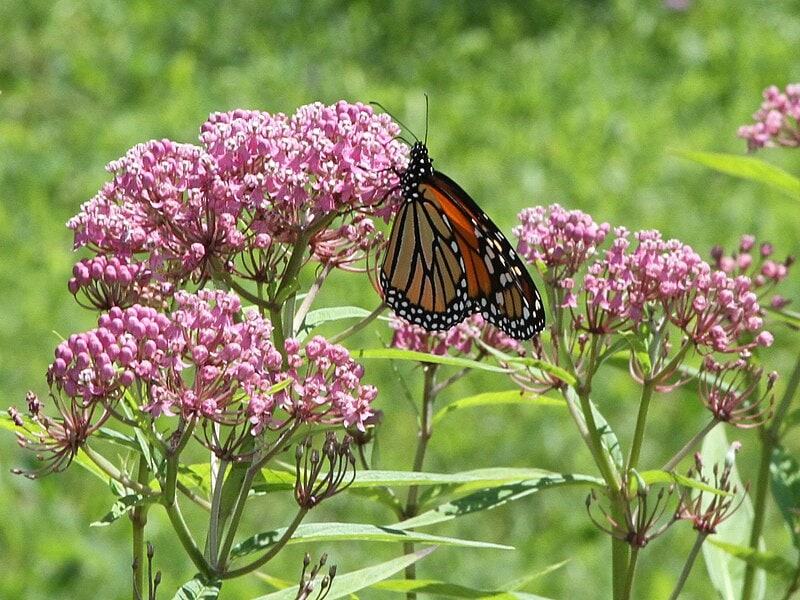
Milkweed is more than just a plant, it’s the lifeline for the monarch butterflies, one of nature’s most remarkable insects. This close relationship between milkweed and monarchs highlights the interconnectedness of ecosystems and the role of every plant and animal in supporting biodiversity.
Through this unique connection, we see how vital it is to protect and preserve even the smallest elements of nature. Then, let’s explore the fascinating story of milkweed and monarchs and the role they play in our environment.
What Is Milkweed?

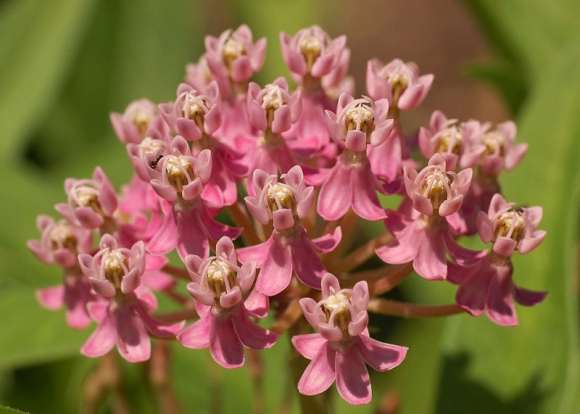
Milkweed (Asclepias) is a tall, hardy plant known for its clusters of colorful flowers, which can be pink, purple, orange, or white, depending on the species. The plant’s name comes from the milky white sap it produces, which contains toxic compounds that deter many herbivores from eating it.
Milkweed is native to North America and can be found in open fields, meadows, and along roadsides, making it a common sight across the continent.
The plant thrives in a variety of environments, including poor soils where many other plants struggle to grow. This resilience makes milkweed an important plant in areas where soil quality may not be ideal.
Milkweed flowers attract many pollinators, including bees, butterflies, and wasps, all of which play a vital role in maintaining biodiversity. But milkweed’s most important ecological function is its role as the host plant for monarch butterflies, which rely on it for survival.
The relationship between monarch butterflies and milkweed is one of nature’s most unique partnerships. Monarch butterflies are iconic for their striking orange and black wings and their impressive annual migration from North America to Mexico, a journey that covers thousands of miles. Yet, without milkweed, monarchs would not be able to survive, let alone make this journey.
Monarch Butterflies Life Cycle and Milkweed
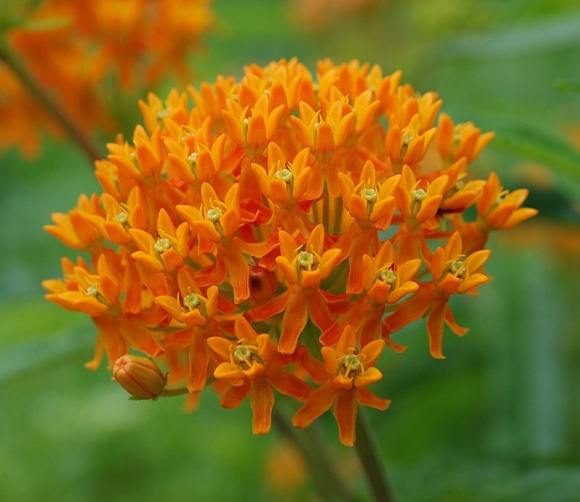
Monarchs rely on milkweed for each stage of their life cycle. Female monarchs lay their eggs exclusively on milkweed plants, as the leaves are the sole food source for monarch caterpillars. When the eggs hatch, the tiny caterpillars begin feeding on the milkweed leaves, ingesting the plant’s toxic compounds, called cardenolides.
These toxins don’t harm the caterpillars but instead accumulate in their bodies, making them poisonous to potential predators like birds. This defense mechanism protects monarch caterpillars and butterflies from being eaten, as their bright colors warn predators of their toxicity.
After two weeks of feeding and growing, the caterpillars form a chrysalis and undergo metamorphosis, eventually emerging as adult butterflies. Once they are fully grown, they begin their migration southward. Throughout their lives, milkweed provides not only food but also a form of natural defense, showcasing the important role this plant plays in monarch survival.
The Monarch Butterflies Migration
The monarch’s migration is one of the longest and most incredible journeys made by any insect. Every fall, millions of monarch butterflies travel from Canada and the northern United States to central Mexico, where they cluster in large groups to overwinter in a warmer climate.
This migration is crucial for monarch survival, as cold winter temperatures in northern regions would be fatal for the butterflies. In the spring, the monarchs make their way back north, laying eggs on milkweed plants along the way to ensure the next generation can continue the journey.
The connection between milkweed and monarchs is so close that without milkweed, monarch butterflies would be unable to reproduce, and their migration would come to an end. Unfortunately, this relationship is in jeopardy due to habitat loss and other environmental pressures.
The Environmental Importance of This Relationship

The bond between milkweed and monarch butterflies is significant for the environment, as it demonstrates how interdependent species are and the importance of biodiversity. Both milkweed and monarch butterflies contribute to a healthy ecosystem in the following ways:
Milkweed as a Keystone Plant
Milkweed is a keystone plant in many ecosystems, supporting a wide range of species beyond monarchs. Its flowers are rich in nectar, providing important food for various pollinators, including bees, wasps, and other butterfly species.
These pollinators play a crucial role in fertilizing plants, allowing them to produce seeds and fruit that feed other animals. By supporting these pollinators, milkweed helps maintain the health and diversity of plant people, which in turn supports a broader range of wildlife.
Monarch Butterflies as Pollinators and Prey
While feeding on flower nectar, adult monarch butterflies contribute to pollination, helping plants reproduce and thrive. Additionally, monarchs are part of the food chain, birds and other animals rely on them as a food source, particularly during migration seasons.
Although their toxicity deters many predators, some species are able to consume monarchs without harm. When monarch populations thrive, it’s a positive indicator of a healthy ecosystem with adequate food sources and habitat diversity.
The Threats Facing Milkweed and Monarchs
Sadly, the monarch-milkweed relationship faces serious threats from human activity. Extensive farming, urban development, and the use of herbicides and pesticides have drastically reduced the availability of milkweed in North America.
Fields and meadows that once provided ample milkweed are being replaced by concrete and monoculture crops, eliminating important habitats for monarchs and other pollinators. Additionally, pesticide use kills milkweed plants and poses a direct threat to monarch caterpillars that feed on them.
The loss of milkweed has led to a severe decline in monarch populations, with their numbers dropping by as much as 90% over recent decades. This decline has far-reaching consequences for ecosystems and highlights the need for conservation efforts to restore both milkweed and monarch habitats.
Efforts to protect and restore milkweed and monarch populations are underway across North America, with the help of conservation organizations, government programs, and individuals such as:
Habitat Restoration: Conservation groups are working to plant milkweed along highways, in parks, and in protected areas to help replenish lost habitats. Farmers and landowners are also encouraged to plant milkweed on unused land to create safe spaces for monarchs to lay eggs and for caterpillars to feed.
Reduction of Pesticide Use: Reducing or eliminating pesticide use near natural areas, farms, and gardens helps protect milkweed from being destroyed. This approach benefits not only monarchs but also other pollinators and plant species that rely on clean, pesticide-free environments.
Community Involvement and Education: Schools, nature centers, and environmental organizations are raising awareness about the importance of milkweed and monarchs. Many groups encourage people to plant native milkweed in their gardens to support local monarch populations. Even small patches of milkweed can make a difference by providing food and breeding grounds for monarchs.
Planting milkweed is something everyone can do to help. Home gardeners, people, and schools are making a big impact by dedicating small areas to milkweed, providing crucial support for monarch butterflies.
Sources:
Leave a Reply