

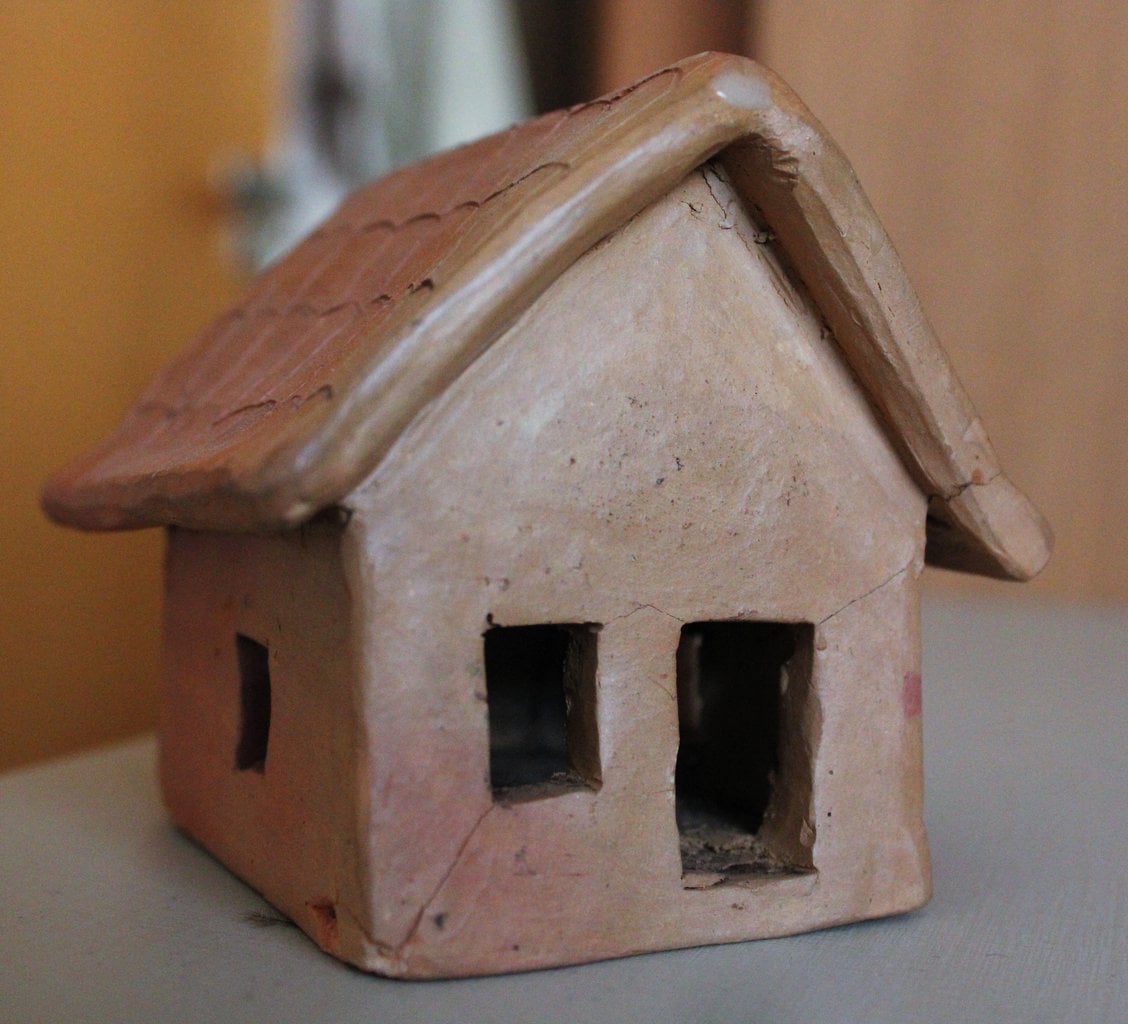
In Trinidad, people are starting to build homes in a new and different way. Instead of using only concrete, which is common today, they are choosing natural materials like clay, grass, plastic, and glass.
These materials are good because they help reduce waste and create homes that are better suited for the island’s weather.
Interesting, isn’t it? Want to know more about what is actually happening in Trinidad? Follow through.
Leading the Way

One of the main people behind this change is Erle Rahaman-Noronha. He’s a farmer who started working on his land in Freeport, Trinidad, way back in 1997. When he first got there, the land was mostly used to grow just one type of plant, which is called monoculture.
This was a leftover practice from the old colonial times when big farms, called plantations, covered a lot of the Caribbean. But over time, Erle changed his 30 acres (about 12 football fields) into a lush, green, forest-like space. He didn’t just plant more trees; he also built different structures using materials that don’t harm the environment.
When you visit his farm, you first see an old house made of concrete. But after that, all the other buildings look like they grew right out of nature. Erle uses clay from his own land, wood from his trees, and even colorful glass bottles to make walls that sparkle in the sun.
He also uses old tires, which are hidden under layers of sand and clay, to create strong foundations for the buildings. Dried grasses are mixed into the walls, making them stronger and giving them a nice texture.
Erle follows old Trinidadian building methods. Long ago, people used whatever materials they could find nearby instead of buying expensive ones from far away. His way of building doesn’t just reuse trash; it also helps make homes stronger so they can stand up better to the effects of climate change, like stronger storms or hotter weather.
Green Way to Build in Trinidad

This new, sustainable way of building is part of Wa Samaki Ecosystems, which is a special group started by Erle. This group wants to teach people about regenerative farming (which means farming in a way that helps the land heal) and sustainable building. Erle explains, “We want to show people how to live happily with nature.”
The unique buildings on the farm are designed by Celine Ramjit, who is an eco-architect and artist. She builds homes using what she calls earth building, which means using natural materials found right around the building site. Instead of simple, box-shaped buildings, her designs include beautiful art, like sculptures of animals and stars.
However, most modern buildings in Trinidad look very different. Many homes and offices are made completely out of concrete. This became popular in the 1900s because concrete buildings are quick to build and last a long time.
But they aren’t always the best choice for the hot, humid weather in the Caribbean. Many people don’t think about how their building materials affect the environment.
Celine Ramjit says, “When people build quickly, they don’t take time to study the environment—like how the wind blows, how much rain falls, and what plants and animals live there.”
She adds, “Instead, they cut down trees and flatten the land before they build.” But removing trees can lead to deforestation (cutting down too many trees) and soil erosion (when soil washes away). This causes problems like flooding and landslides, which are getting worse with climate change.
Learning from the Past

The way buildings are made in Trinidad today is very different from the past. A long time ago, people in the Caribbean built their homes using a tropical design, which means the style was made just for the local weather. For example, old European-style wooden houses were common.
These homes had special windows with shutters that could be closed during storms and large awnings to block the hot sun. But today, many homes have flat glass windows, which trap heat inside and make it necessary to use air conditioning, which uses a lot of energy.
Even before Europeans arrived, the original people of the Caribbean, called Indigenous people, built homes differently. Tracy Assing, who is part of the First Peoples Community in Arima, explains that the very first homes had no walls or windows.
These were simple shelters with a raised area for sleeping. She says, “The houses were meant to return to the earth and be rebuilt when needed.” Later, people started using mud and clay for building, which was a big step forward.
By the 1600s, Spanish settlers and Indigenous communities combined their building ideas to create tapia houses. These homes were made with wooden frames, clay, water, and dried grass, with palm leaves for roofs. This way of building was popular for hundreds of years. But by the 1940s, people started to think tapia houses were old-fashioned and only for poor people.
Now, tapia houses are very rare. One of the few left is the Avocat Mud House Museum, built in 1885. When visitors step inside these old homes, they immediately feel cooler. This happens because the clay walls soak up moisture, which then evaporates and cools the air inside.
At a time when the Caribbean is facing record-breaking heat, these natural cooling methods are more important than ever.
Using Old Ideas to Build New Homes

Wa Samaki, Trinidad, is showing that older building methods still have a lot of value today. Besides using clay, grass, and wood, the team also reuses plastic and glass to cut down on waste. For example, an outdoor sitting area (gazebo) on the farm is made from bamboo and teak wood, while the roof is covered with old advertising banners.
They also reuse old discarded tires, filling them with plastic bottles and covering them with clay to create strong walls and benches. One bench is even shaped like a dragon, which adds a fun, artistic touch to building sustainably.
Recycled glass bottles are built into the walls of some buildings. These bottles let in colorful light, making the inside bright and cheerful, while also reducing the need for new building materials.
Without projects like Wa Samaki, these materials would likely end up in landfills, where they would pollute the environment. Wa Samaki also plants a special type of grass called vetiver grass.
This grass helps stop soil from washing away (erosion) and makes clay structures stronger. When the grass is dried, its long, strong fibers help hold clay walls together. The team also tries out other materials, like rice straw, to see what works best for different types of buildings.
New Homes for Everyone in Trinidad

The team at Wa Samaki Trinidad encourages people to look at what’s around them and use the materials they already have. Celine Ramjit believes that trying new things is key. She says, “Instead of searching for one perfect material, we should use what is available.”
This way of thinking is similar to what Tracy Assing’s Indigenous community teaches, which focuses on working with the environment instead of trying to control it.
Building sustainably isn’t just about keeping old traditions alive; it’s also about changing how we build to deal with climate change. The Caribbean is facing more and more problems like rising temperatures, stronger hurricanes, and rain that falls at unexpected times.
The way homes are built needs to change to handle these new challenges. One of the best old building tricks is raising homes off the ground. This helps air flow underneath, keeping the house cool during hot months.
It also protects the house from flooding during heavy storms. This method can be used in both cities and rural areas.
Sources:
Leave a Reply