

Imagine waking up in 2040. Your home is warmed efficiently by a heat pump, your car charges silently in the driveway, and your breakfast features plant-based alternatives that taste just as good as traditional options. This isn’t a futuristic fantasy—it’s the vision outlined by the UK’s Climate Change Committee (CCC) to help the country reach net zero by 2050.
To get there, significant lifestyle changes will be needed. The CCC envisions 80% of cars being electric, half of homes running on heat pumps, and a quarter less meat being consumed. But what does this mean for your daily life? Let’s break it down.
Ditching Gas for Heat Pumps
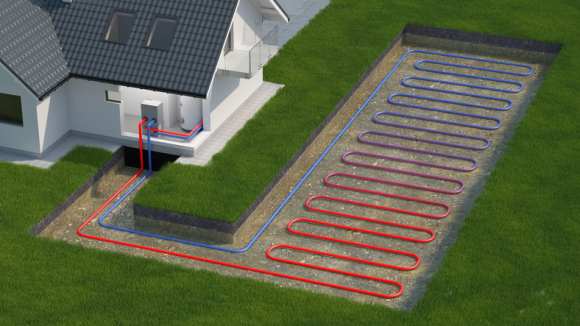
Your home is more than just four walls—it’s one of the biggest sources of carbon emissions in the UK. With 80% of home emissions coming from gas boilers, switching to heat pumps is one of the most impactful changes homeowners can make.
Heat pumps work by extracting heat from the air or ground and using it to warm your home, much like a fridge in reverse. They’re three times more energy-efficient than gas boilers and can be powered by renewable electricity, making them a key player in decarbonizing homes.
But there’s a catch, heat pumps work best in well-insulated homes and often require larger radiators or underfloor heating. They’re also more expensive than gas boilers, even with the government’s £7,500 grant. To accelerate adoption, the CCC suggests financial support for lower-income households and aims for 1.5 million heat pumps to be installed annually by 2035.
If you’re considering replacing your old boiler, a heat pump could be a smart long-term investment—not just for the planet, but for lower energy bills in the future.
EVs Are Taking Over the Roads
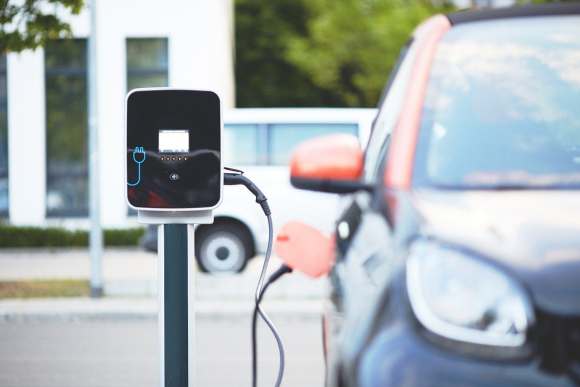
Picture this, you pull into a charging station, plug in your electric vehicle (EV), and grab a coffee while your car refuels. No fumes, no noise, and—most importantly—no carbon emissions. This is the future of driving.
Transport is the UK’s largest source of emissions, with petrol and diesel cars making up a significant portion. The good news? EVs are rapidly becoming more affordable. In fact, by 2026, electric cars and vans could be cheaper to buy than traditional petrol and diesel vehicles.
When you factor in lower running costs—charging an EV costs a fraction of what you’d pay for petrol—the switch becomes a no-brainer.
The CCC expects that by 2030, 95% of new cars sold will be electric, and by 2040, 80% of all cars on the road will be EVs. But to make this transition seamless, the government needs to ensure a rough charging infrastructure. That means more chargers in cities, better access in rural areas, and streamlined payment systems.
If you’re in the market for a new car, going electric isn’t just good for the environment—it’s also a smart financial choice. Plus, as petrol stations start disappearing by 2040, an EV will be the most convenient option.
Our Diets Are Changing

Your next meal could be a secret weapon against climate change. Agriculture is the UK’s fourth-largest source of emissions, with livestock farming accounting for nearly two-thirds of that impact.
The CCC isn’t calling for bans on burgers or mandatory veganism, but it does predict that by 2040, we’ll be eating 25% less meat and 20% less dairy. Instead, our plates will be filled with a mix of plant-based foods and innovative alternatives, including lab-grown meat and protein-rich ingredients produced through fermentation (think brewery-style tanks making sustainable protein).
As demand for plant-based options grows, farmers will need support to transition away from livestock, with some farmland repurposed for carbon-absorbing forests, peatland restoration, and biofuel crops. The challenge? Ensuring that lower-carbon UK food production isn’t undercut by high-emission imports.
If you’re looking to reduce your carbon footprint, switching just a few meals a week to plant-based alternatives can make a big difference. The good news is that as food technology advances, sustainable choices will become tastier, cheaper, and more widely available.
Carbon-Free Travel

For many of us, travel is a cherished part of life. But aviation is set to become the UK’s largest source of emissions by 2040, making it a major challenge in the fight against climate change.
The CCC predicts a 28% increase in passenger numbers by 2050, with UK residents taking a staggering 402 million flights a year. The only way to balance this demand with climate goals is through technological innovation.
The aviation industry is betting on more efficient jets, electric planes, and sustainable aviation fuels (SAF), which are made from plant-based sources or captured carbon.
However, these solutions come at a cost. SAF currently makes up just 1% of jet fuel but is expected to reach 17% by 2040. The high cost of SAF and other innovations will inevitably lead to higher ticket prices, which could slow down the growth of air travel.
If these technologies don’t reduce emissions as expected, the government may need to impose limits on flight numbers. In the meantime, travelers can reduce their impact by choosing direct flights (which burn less fuel), supporting airlines investing in greener technology, and offsetting their carbon footprint where possible.
The Road to 2040

The transition to a net-zero future isn’t just about government policies—it’s about the choices we make every day. Whether it’s upgrading to a heat pump, switching to an electric car, eating more plant-based meals, or being mindful about air travel, small changes add up.
By 2040, a cleaner, greener lifestyle won’t be a sacrifice—it will simply be the way we live. The technologies we need already exist, and as they become cheaper and more accessible, making sustainable choices will be easier than ever.
The best part? These changes don’t just help the planet—they also lead to lower energy bills, quieter streets, healthier food, and cleaner air. The future isn’t something we have to wait for—it’s something we can start building today.
Sources:
Leave a Reply