

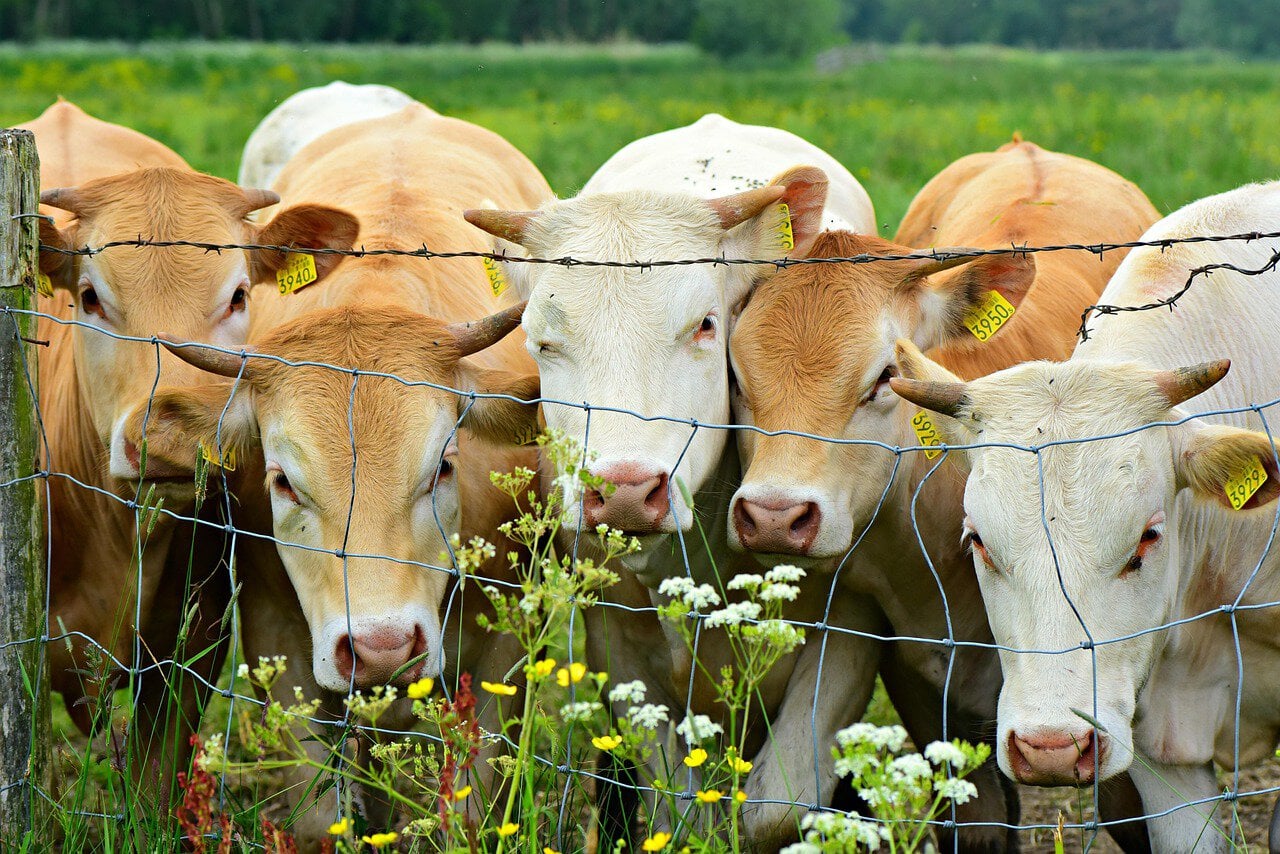
Industry experts in farming and ranching all experience the same troubles. Eventually, cattle break through poorly constructed fences. The instances could pose safety or health risks to the herd, in addition to incurring expensive repairs. Therefore, durable and affordable models are ideal for effectively containing animals. This is how agricultural professionals and contractors can source, vet and select the best permanent cattle fencing.
Assess Operational Needs and Environmental Pressures
Every agriculturist must ask what the purpose of the fencing will be. Every plot of land faces unique pressures, whether from high winds or encroaching waters that could lead to flooding. There may be invasive, deep-rooted species that could compromise a fence’s stability from below the surface. Additionally, other creatures could wear them down.
Ranchers need to consider this alongside their herd’s behavior. Rotational grazers require different setups than those for more localized stocks. Weigh external pressure and the animals’ behaviors equally to understand the qualities needed in the fencing. This is the only way to discover the material that will suit the land, because it may need to be impact- or moisture-resistant.
Prioritize High-Tensile Steel As the Core Material
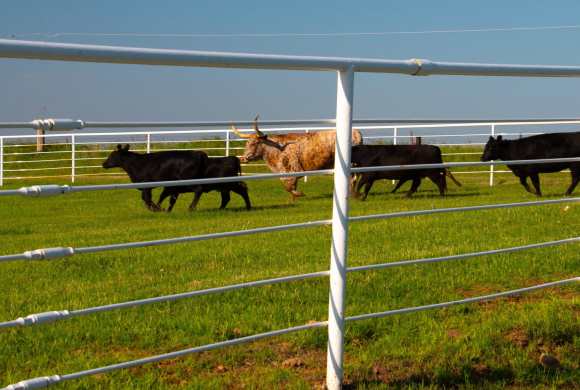
For the best return on investment and security, high-tensile steel is the most trustworthy foundational material. The weight and strength will keep cattle from breaking through. Over time, it will not warp or stretch like other fencing types, including more traditional steel, which can develop weak points after multiple impacts. It is also ideal in low temperatures and can have a tensile strength between 170,000 and 200,000 pounds per square inch.
High-tensile alternatives have a primary benefit over other hard materials. They can bend, even if cattle run into them. However, it will eventually return to its original state. This quality is great for active and rambunctious herds, lowering how often ranchers need to repair broken posts or gaps in the fencing.
Evaluate the Fencing System Alongside the Wire
A fence is only as strong as its components, including the insulation and wire. Industry experts from Barndoor AG accentuate the importance of material choice, saying, “Wire that resists stretching, posts that stand straight through sun and rain, and hardware that holds tight under load all add up to a system that keeps animals where they belong. Poor fencing materials lead to sagging lines, loose connections, and frequent repairs — all of which cost time and peace of mind.”
Constantly investing time into wire repairs takes ranchers away from tending to their herds and improving their lands. Vetting the best fencing option means matching optimal materials together, including parts like the tensioners and posts. Then, farmers can ensure every facet of the system supports quality and environmental resistance.
Scrutinize the Quality of Coatings and Post Materials
Material composition is indicative of quality fencing, but fences can also be coated to make them even more resilient. Metals have weaknesses, like developing corrosion in wet and humid climates. Coatings ensure the wires and the rest of the system withstand animals and the elements for much longer. Therefore, partnering with an organization that provides protective shielding for its products will be more reliable for cattle.
The metals need attention, but so do any wood elements. Uncoated wood posts can rot and erode, introducing a weak link into the chain. However, defaulting to heavy-duty steel options could eliminate long-term labor costs and the frustrations associated with wood.
Plan for Proper Installation and Tensioning
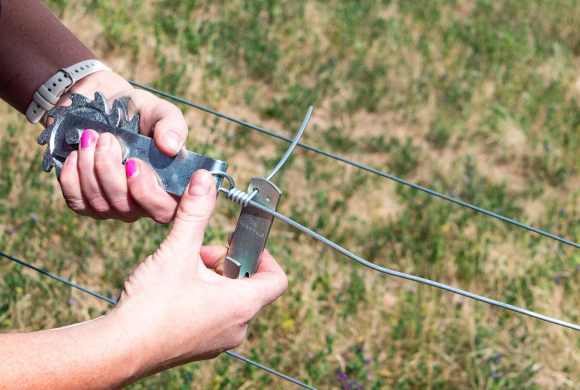
Fencing only remains steadfast for decades if it has a strong foundation. Its installation determines its future. For example, if the installer fails to establish sufficient tension, it will not protect animals inside or outside the perimeter. It is the tautness that gives the cattle physical feedback, letting them know that brute force and an attempted exit could be unwise. Top fencing systems have gauges to adjust tension, ensuring proper and safe operation.
Partner With a Specialized Fencing Supplier
Agricultural experts may have a catch-all supplier that stocks them with the essentials, but having a collaborator on hand who is a fencing expert is more valuable. Ranchers will want a specialist because they have a niche expertise that feed and cleaning products suppliers do not, especially when it comes to the seasonality of niche products.
They could help businesses find the right materials and system style for their property and herd size, giving them peace of mind that they made the right choice. They also offer fencing accessories, including sprayers, moisture testers, tractor parts and over 10,000 other options to provide a secure home for the cattle.

A quality fencing supplier like Barndoor AG is also more than a place to shop. The most reputable enterprises have experts to prevent issues associated with mismatched materials or poor installation. They have a vested interest in their products lasting, as this impacts their reputation and reflects their corporate values. Companies that want to help farms succeed consult their clients, address pain points, understand materials science and look forward to the future of fencing innovations becoming even better.
FAQ on Cattle Fencing
Approach every investment decision with as much knowledge as possible by resolving any unanswered questions.
What are the different types of permanent cattle fencing available?
There are many cattle fencing options available, including barbed or woven wire. Others opt for pipes or boards for a more robust barrier. Electric fencing is another option, though it comes with many potential risks.
What are the most durable and best types of fencing for cattle?
High-tensile options are known for their durability and strength. Some might argue that electric fencing lasts longer because cattle are trained to stay away from it, but the grounding system is far more complex and requires time-consuming upkeep.
I need a cattle fence that will last a long time. What should I get?
Fortunately, the type of cattle fence a business chooses is determined entirely by the needs of the herd and the budget. Every fence can last a long time with proper surveillance and maintenance. Additionally, understanding the cattle’s behavior is an essential factor, as it could lead organizations to choose a more intensive material.
Keeping Cattle Contained
Installing quality fencing does more than keep a rancher’s future secure. It improves the herd’s health and livelihood by keeping them safe from intruders and other external hazards. It also keeps infrastructure more durable, improving longevity and reducing maintenance needs and waste generation.
Leave a Reply