


Climate change is transforming freshwater from a renewable resource into a scarce commodity, forcing three critical sectors into direct competition. Power plants, agriculture and local communities now battle for the same shrinking pools of cooling water as rising temperatures and intensifying droughts squeeze supplies. When heat waves simultaneously spike demand, rivers run low and reservoirs drop to dangerous levels at precisely the worst moment.
The Era of Global Water Bankruptcy
Humanity has entered what researchers call an age of global water bankruptcy, in which current governance structures collapse amid degraded hydrological systems. According to the United Nations, three-quarters of the global population now lives in countries confronting water insecurity or critical water insecurity, underscoring how rapidly the planet’s freshwater balance has deteriorated.
The study also showed that 1.8 billion people endured drought conditions between 2022 and 2023, straining every aspect of daily life, from household needs to economic stability. Agriculture drives much of this resource depletion, consuming roughly 70% of all global freshwater withdrawals to irrigate crops and sustain livestock. Traditional water rights frameworks, designed for wetter climates and smaller populations, cannot keep pace with accelerating climate pressures on rivers, aquifers and reservoirs.
What worked for centuries now fuels escalating conflicts between farmers desperate to save their harvests and communities struggling to keep their taps running during extended dry periods. Neither side can afford to back down, and the intensifying competition leaves little room for compromise as available supplies continue to shrink.

The Zero-Sum Constraint Between Agriculture and Energy
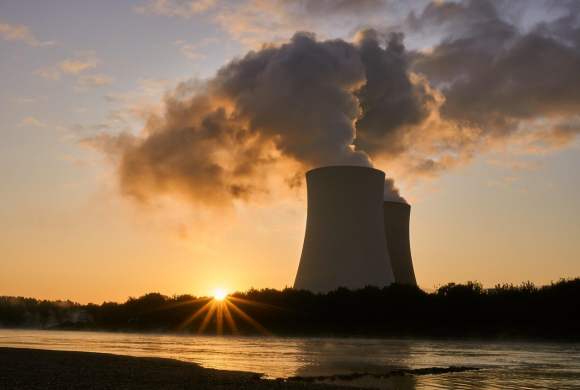
Thermoelectric and nuclear power plants need enormous volumes of water to prevent overheating, which makes them a second major competitor for shrinking freshwater resources. Roughly 70% of U.S. electric power capacity relies on cooling water systems that draw heavily on fresh and surface water sources, with American thermoelectric facilities withdrawing approximately 182.69 billion cubic meters of water in 2022.
Droughts that lengthen and intensify across the country make this volume impossible to sustain. Researchers project that by 2050, roughly 31% of global gross domestic product will face high water stress. This puts thermal power plants in direct conflict with agricultural operations that also require massive water withdrawals for irrigation.
Grid operators also confront painful trade-offs during peak summer months. They have to choose between reduced electricity output and further depleted water supplies that farmers and residents desperately need. When reservoirs shrink to dangerous levels, the energy sector can no longer maintain its appetite for cooling water.
Regional Flashpoints and Municipal Vulnerabilities
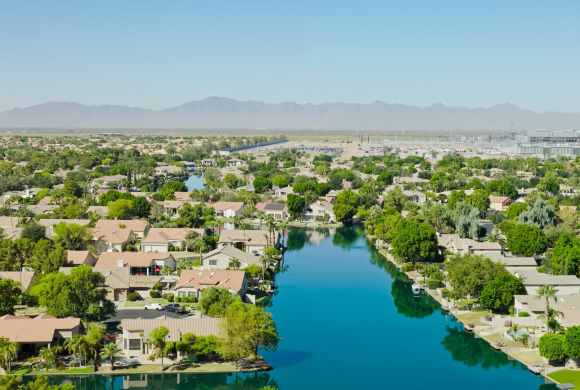
Local municipalities represent the third competitor in this zero-sum struggle and often hold the weakest position when resources grow scarce. Heat waves and droughts create perfect storms that spike agricultural irrigation needs, power plant cooling demand and community water requirements all at once. This exposes the most vulnerable residents to life-threatening conditions.
Severe Heat Domes and Urban Resource Strain
Portland, Oregon, experienced devastating consequences as utility costs rose and water access became precarious during extreme heat events. Research shows that the number of households lacking running water increased by 56.3% between 2000 and 2021, a troubling trend driven partly by shutoffs for unpaid bills and aging infrastructure failures.
That same research documented how a deadly heat dome settled over the Pacific Northwest in 2021 and killed 96 people in the city. Approximately 58% of Oregon’s at-risk residents lack adequate cooling equipment, which forces them to rely entirely on water as their primary defense against dangerous heat.
Shutoffs can prove fatal during heat waves, yet municipalities face impossible choices between helping struggling households and maintaining strained water systems. Rising costs hit the most vulnerable residents precisely when access to water means the difference between life and death.
Navigating Simultaneous Drought and Wildfire Threats
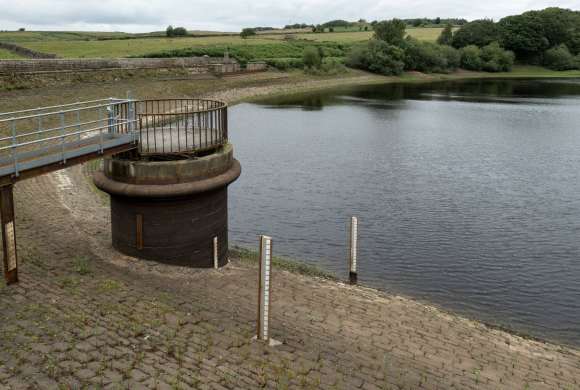
Prolonged drought pushed key Summit County, Utah, reservoirs to just 11% and 26% of capacity while wildfire risks reached critical levels across the region. The town of Echo resorted to trucking in drinking water with fire apparatuses, diverting equipment meant for emergency response to basic municipal needs.
Extended wildfire seasons place immense strain on departments already stretched thin. With reserves running dangerously low, proactive prevention becomes more vital than reactive suppression in protecting communities.
Fire departments have responded by building stronger collaborations with residents through open houses that communicate resource realities and foster honest dialogue about shared risks. Many provide educational programs to teach residents how to minimize fire hazards around homes and businesses. Others partner with schools and organizations to host drill workshops that prepare entire neighborhoods.
Creating active civic partnerships transforms fire safety from a service into a collective responsibility. Prevention-focused collaboration becomes the primary defense when traditional firefighting capabilities shrink.
Emerging Solutions for Sustainable Allocation
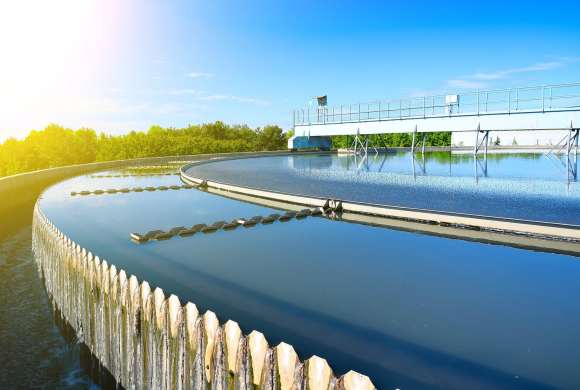
The power industry can transition toward dry-cooling technologies that dramatically reduce freshwater withdrawals, though these systems cost more to install and operate with slightly lower efficiency. Municipalities can invest in aggressive conservation programs and wastewater recycling infrastructure to stretch existing supplies further while reducing dependence on shrinking rivers and aquifers.
Solving this crisis requires holistic strategies that address all sectors simultaneously rather than favoring one over others. Advanced modeling tools are helping policymakers understand how decisions in one region ripple across entire watersheds, and a new artificial intelligence system pinpoints a causal link between industrial fabrication plants in one state and reduced agricultural irrigation capacity in neighboring ones.
Integrating agricultural, hydrological and industrial data allows state and federal managers to optimize cooling water allocation across shared basins. Policy frameworks also need to shift toward nature-based solutions that use shared planning to account for the needs of communities, farms, industries and ecosystems.
International organizations have published comprehensive frameworks for nature-based solutions in agricultural water management. They offer roadmaps for regions willing to embrace systemic change and ensure farming operations don’t deplete resources that communities and power grids also require.
The Future of Equitable Resource Distribution
Competition will only intensify as climate pressures mount without coordinated strategies that balance the needs of all three sectors. Communities, power plants and agricultural operations confront an era where survival depends on cooperation rather than conflict over every remaining drop of cooling water. Today’s choices will determine which sectors thrive and which face severe rationing.
About the Author

Writers Bio: Jane Marsh is an environmental journalist and Editor-in-Chief of Environment.co, where she covers climate policy, renewable energy, and sustainable living. With over four years of editorial experience, her work has been featured on Renewable Energy Magazine, Biofriendly Planet, and Earth.org. Jane specializes in making complex environmental topics accessible and actionable for everyday readers.
Leave a Reply