

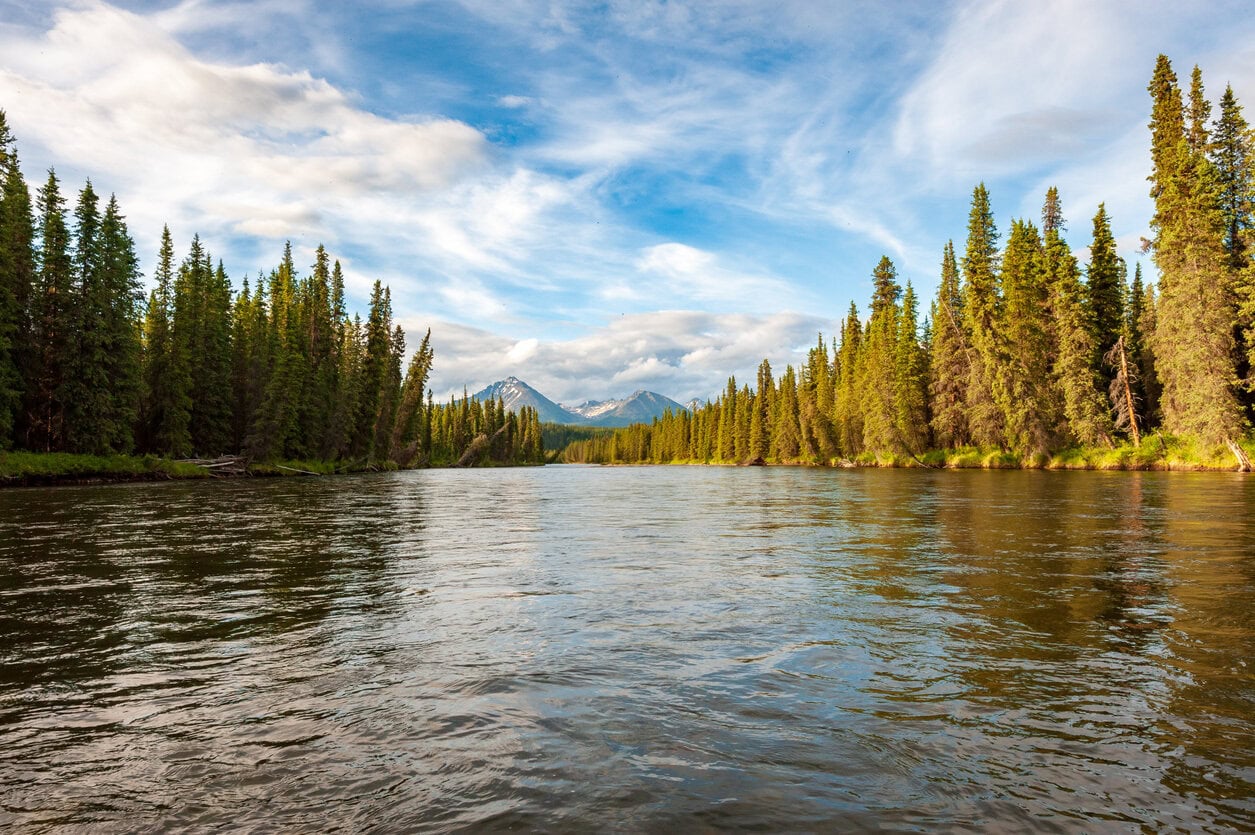
Ever left a bike outside through a few rainy seasons and watched it turn orange with rust? It happens slowly, and you barely notice until one day it looks completely different. Something similar is now happening to rivers in Alaska, only on a much bigger scale.
Scientists say the cause is thawing permafrost, and the results are worrying. Some rivers now carry metal levels 70 times higher than normal. Here is what researchers found, why it is happening, and what it could mean for the people living nearby.
The Orange Rivers

Alaska’s Brooks Range is known for clear blue water and wild, untouched scenery. But over the last decade, that picture has started to change. Let’s look at how scientists first noticed the problem and what they found when they began investigating it.
Scientists first spotted strange orange plumes flowing into the water back in 2018. The sites were so remote that researchers could only reach them by helicopter. At first, they only managed to collect a quick snapshot of what was going on.
The more they flew around, the more orange rivers and streams they saw. Jon O’Donnell, an ecologist at the US National Park Service, said some places looked almost like “milky orange juice.” Not exactly what you expect from a national park.
Brett Poulin, an environmental toxicologist at UC Davis, was curious because the color looked a lot like acidic pollution draining from metal mines. But there are no mines nearby. So what was turning these rivers rusty?
That detail matters. A rusty color in a river usually signals acid and metals, the same trouble seen below mining sites. With no mine around, researchers needed a different explanation, and they had to dig deeper, literally.
Rust From Frozen Ground
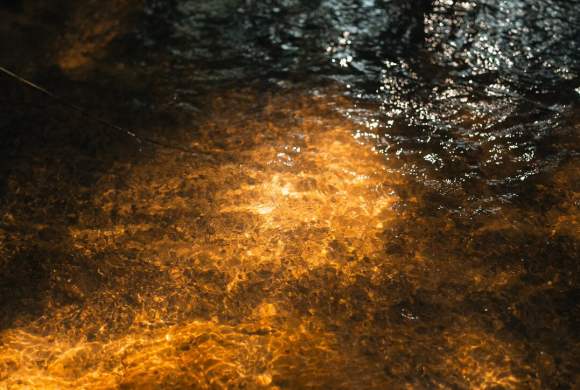
The answer lies underground. A new study, published in AGU Advances and led by environmental chemist Taylor Evinger from UC Davis, points straight at thawing permafrost. Here is how frozen soil can end up coloring an entire river orange.
Permafrost is ground that stays frozen year round. When it thaws, water seeps through soil that was locked away for potentially thousands of years. Along the way, that water meets bedrock minerals that have not touched air or water for ages.
When those minerals oxidize, they release metals such as iron, aluminum, manganese, zinc, nickel, cadmium, and rare earth elements. These metals then seep into waterways. That is why the rivers look rusty, much like your forgotten bike.
From 2022 to 2024, the team collected samples from six watersheds across the Brooks Range. Some samples were more acidic and carried more metals than water draining from actual metal mines. That surprised even the researchers who gathered them.
On the Salmon River, one seepage pushed metal levels up to 70 times higher than usual. Even 60 miles downstream from the source, the effect was still there. So this is not a small puddle problem. It travels far.
Hot Summer, Snowy Winter
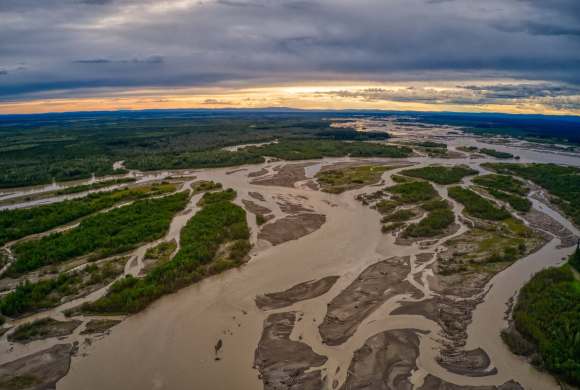
Timing matters in this story. The team traced a major release of metals back to a very specific stretch of weather. It shows how one unusual year can set off changes across many rivers at the same time.
The trigger was 2019, Alaska’s warmest summer on record, followed by an unusually snowy winter. You might think snow would keep things cold. But snow works like a blanket, and that is exactly the problem in this case.
According to Evinger, more snow insulates the soil and stops it from refreezing. The team thinks water then went deeper into the thawed soil and reacted with minerals. All of these watersheds were triggered around the same time.
After that warm summer, the rivers saw a sudden, steep rise in sulfate and zinc. Those levels then slowly dropped over the following years. So the spike faded, but it showed how quickly a river’s chemistry can flip.
This is not only an Alaska story either. Since 2018, reports have come in from thousands of seepages across North America’s permafrost zone. Acid rock drainage has now been documented in more than 200 rivers and streams.
Poulin says this process was never forecast or included in any assessment of how the Arctic will change. Rusting rivers have also been documented in boreal and Arctic Canada and other permafrost regions. Scientists simply did not see this coming.
What This Means?
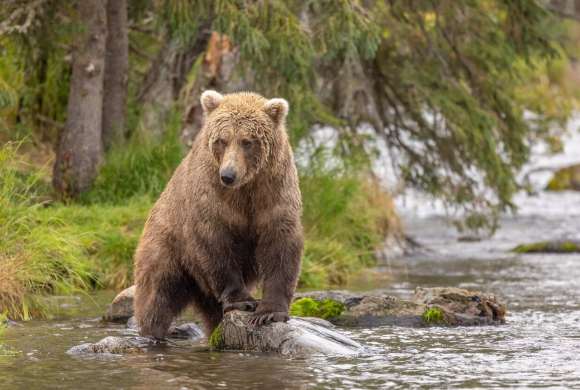
So is it dangerous? The honest answer is that scientists are still working it out. Some effects are already visible elsewhere, while others have not shown up in the Brooks Range yet. Let’s look at the risks and the reassuring parts.
Elliott Skierszkan, an earth scientist at Carleton University in Canada, warns that this widespread result of global warming is a major risk to water resources and aquatic ecosystems. Toxic metals and low pH can seriously harm life in the water.
In other areas, researchers have seen large patches of plants die back near acidified rivers. They have also seen losses of important fish like salmon and whitefish, along with other aquatic creatures. Those are warning signs worth taking seriously.
Rural Arctic communities would feel this most. Many are Alaska Native peoples who rely on the rivers and their fish to survive. If the water changes, their food and way of life could change too.
For now, the Brooks Range has avoided the worst. Evinger says there are no massive fish die-offs and no known drinking water problems in villages. But hundreds of watersheds have acid rock drainage, and these rivers were nearly untouched before.
So next time you spot rust on an old bike, think about those orange rivers. Rust on a bike is just annoying, but rust in a river is new reality of climate change, and it may only be the beginning.
Sources:
https://agupubs.onlinelibrary.wiley.com/
Leave a Reply