

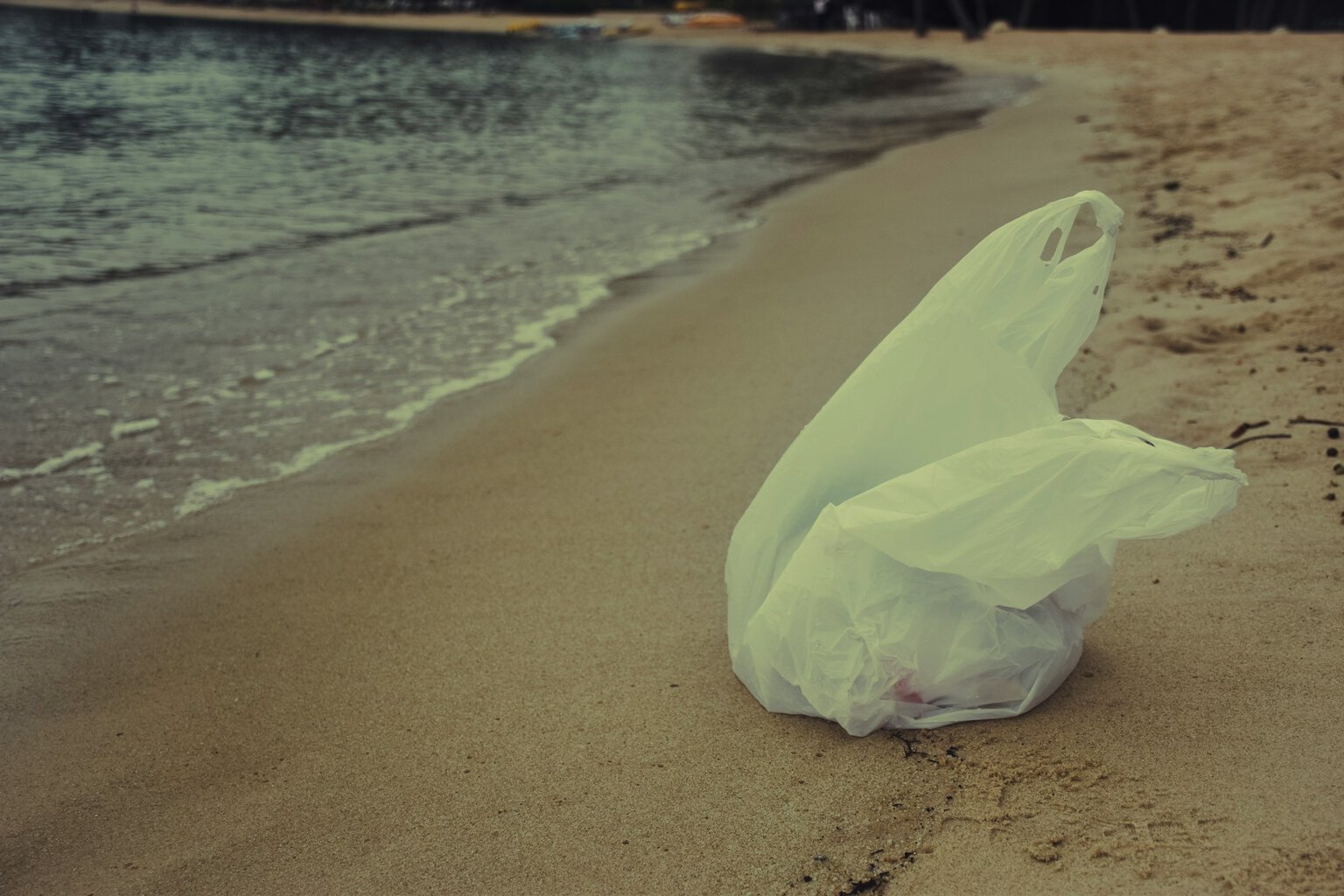
Plastic bans started with your standard single-use shopping bag. The legislative landscape is becoming increasingly strict about plastic products while expanding the recycling potential for already produced plastics. New laws in the UK and across Europe are setting a precedent for environmental standards that may soon affect your hometown. However, this momentum has exposed a lack of preparedness for a plastic-free future, with international treaties stalling.
The Attempt by the United Nations
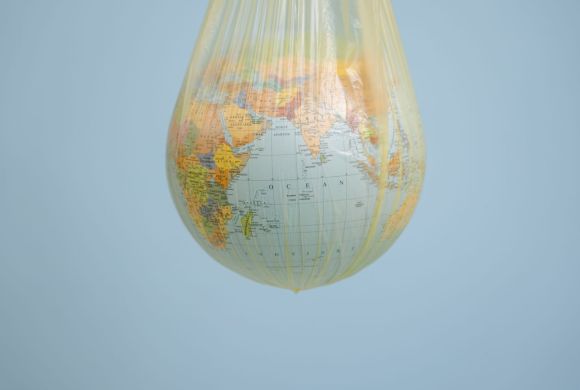
A plastic ban would be easier to enforce if it were an internationally recognised rule. The United Nations has attempted to draft one, but it has a few oversights. After several years of negotiations, it reached a deadlock¹ over the rule’s scope and specificity. Another factor is the clash of interests between nations with a vested interest in oil and gas and countries striving to achieve carbon reductions.
The debate stems from an imbalance of priorities. The treaty aims to address plastic pollution and downstream climate stressors. With plastic pollution reaching record depths in the ocean of over 35,000 feet², this is clearly essential to solve.
However, arguments suggest that the treaty should also include cuts to plastic production to reduce the problem at the source, while acknowledging the need to manage existing waste. While the draft hints at these subjects, it is far from clarified. Without tackling this facet of the plastic story, pollution will persist.
You could argue that minimising the scope is necessary to instigate any action at all, but it could be a wasted effort. The new draft omits strict guidelines for the most polluting nations, and some climate activists and a coalition of dedicated nations call the attempt to revive the treaty unsustainable, demanding more binding targets. Discussions will continue in the coming year to determine how the document will evolve to require more action from all parties.
European Union’s Ambitious Packaging Overhaul

Photo by Agenlaku Indonesia on Unsplash
The EU has adopted the Packaging and Packaging Waste Regulation (PPWR), which took effect in August 2026. The PPWR’s goal is to reduce virgin material use³ and make recycling and plastic production viable and more circular before 2030. This legislation is more comprehensive than a traditional plastic ban. To do this, the EU is restricting the use of single-use plastics, such as sauce sachets, and asking restaurants to encourage customers to bring their own takeaway containers.
While well-intentioned, the initiative has received international criticism⁴, prompting others to question how prepared the EU really is for these transitions. The Consumer Choice Center, a U.S. nonprofit, states that the regulations are too aggressive, causing stress on small- to medium-sized businesses. These trade and economic concerns prove that moving forward requires more international cooperation and transparency.
However, the PPWR also aims to make labelling regulations consistent⁵ within the EU, so you know how to sort recyclables. It also helps customers make purchases in line with their values.
Establishing reliable terminology around these concepts can help everyone. For example, clarification of these terms could help you understand the difference between post-consumer and post-industrial content, which are overseen by compliance bodies⁶ such as the International Organisation for Standardisation. More widespread education and distinct packaging could make these concepts even easier to understand.
The United Kingdom’s Multifaceted Approach
Plastic bans in the UK are becoming broader in scope to cover even more nonessential items that continue to pollute the planet. The country’s list of banned single-use plastics⁷ is growing.
It covers restricted sale items, too, including:
- Drink stirrers
- Straws
- Balloon sticks
- Cotton buds
- Food and drink containers
Additionally, the government is also asking for greater producer responsibility, including single-use plastic bans and expanded recycling infrastructure. In 2026, revisions made these rules more comprehensive⁸ and implemented a data reporting requirement to ensure compliance.
Organisations that supply or import plastics must comply with these rules and pay the applicable fees based on the products. This places financial responsibility on corporations if they rely on single-use plastics. The guidelines hope to discourage reliance on plastics while promoting a circular economy.
Simpler Recycling in England is one example. It tackles single-use plastics at the end of their life cycle, helping customers sort them⁹ more consciously with better-marked bins. This will increase recycling rates and make your communities more plastic-conscious.
A More Productive Way Forward
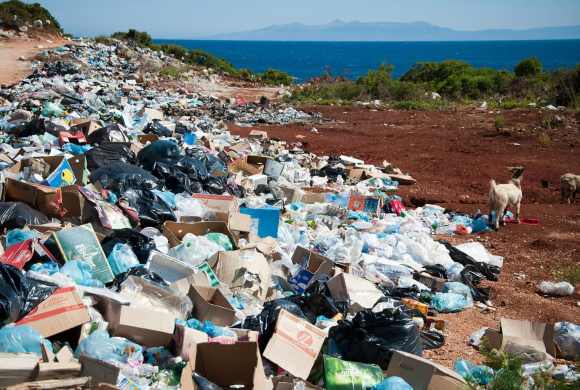
Photo by Antoine GIRET on Unsplash
To end pollution and institute an effective plastic ban, nations need to stand their ground and create ironclad regulations. Watered-down language to get as many parties to agree will not achieve the results the planet needs to overcome the impacts of single-use plastics.
Your community and every nation need these rules to establish a more climate-friendly future and to foster sustainable habits among corporations. Spreading awareness of these issues is the best way for your contribution to matter and for policymakers to exhibit confidence when drafting these ideas.
Sources
1.https://www.climatechangenews.com/2026/08/12/weve-gone-backwards-new-plastics-treaty-text-dims-hopes-for-production-curbs/
2.https://environment.co/ocean-plastic-products/&sa=D&source=docs&ust=1794581854042466&usg=AOvVaw3lNUOMLPMC0mHbrrPeRrnD
3. https://environment.ec.europa.eu/topics/waste-and-recycling/packaging-waste_en
5. https://environment.ec.europa.eu/news/new-eu-rules-packaging-enter-application-2026-08-11_en
6. https://greenprintproducts.com/post-consumer-vs-post-industrial-recycled-content/
7. https://www.gov.uk/guidance/single-use-plastics-bans-and-restrictions
Featured image photo by raina phyu on Unsplash
About the Author

Writers Bio: Jane Marsh is an environmental journalist and Editor-in-Chief of Environment.co, where she covers climate policy, renewable energy, and sustainable living. With over four years of editorial experience, her work has been featured on Renewable Energy Magazine, Biofriendly Planet, and Earth.org. Jane specializes in making complex environmental topics accessible and actionable for everyday readers.
Leave a Reply