


Industrial byproduct waste follows several possible paths after it leaves a production line, including reuse, recycling, treatment and disposal. Its destination depends on the material’s condition, how carefully a facility separates it and whether a suitable end market exists. The difference matters because residue that looks useless in one factory may still have value as feedstock for another.
The EPA’s national materials data shows how recycling and composting keep significant quantities of material out of disposal facilities. Industrial operations can support that progress by treating leftover material as a managed resource instead of an afterthought.
Tracing Material Flows After Production
Industrial residue starts moving long before a truck leaves the facility. Operators may place metal offcuts, plastic trimmings, damaged electronic components, paper and packaging in separate containers near the point of production. From there, the materials enter an internal storage area while staff document their source, weight and condition.
Some clean materials can return directly to production. A plastics manufacturer, for example, may grind uncontaminated edge trim and mix a controlled amount into its next production run. Other materials go to outside processors that sort, clean or prepare them for sale. Similar recovery models allow businesses to turn discarded materials into marketable resources by supplying manufacturers and recyclers that can reuse the recovered materials.

A basic material-flow review helps a business see where each stream ends up. Staff can record what is generated, where it is stored, how often it is collected and which processor receives it. Shipping records and weight tickets should match internal estimates closely. Large unexplained differences may signal contamination, inaccurate measurements or material being placed in the wrong container.
Businesses should also ask processors for documentation describing the next destination. A clear record may identify a mill, plastics compounder or specialized electronics processor. That visibility allows environmental teams to support sustainability claims with evidence instead of estimates.
The Danger of Unprocessed Scrap Streams
Mixed residue loses value quickly. If workers place steel pieces, plastic film, cardboard and oily shop debris in one container, a recycler must spend more time separating the load. Some processors may reject it entirely, leaving disposal as the most practical remaining option.
Contamination can create environmental and workplace problems too. Rainwater may pass through an uncovered outdoor container and carry fine particles onto pavement or into drainage systems. Damaged batteries and electronic parts require careful handling because they can contain substances that shouldn’t enter ordinary waste streams. Food, liquids and general trash can also spoil otherwise recyclable paper or plastic.
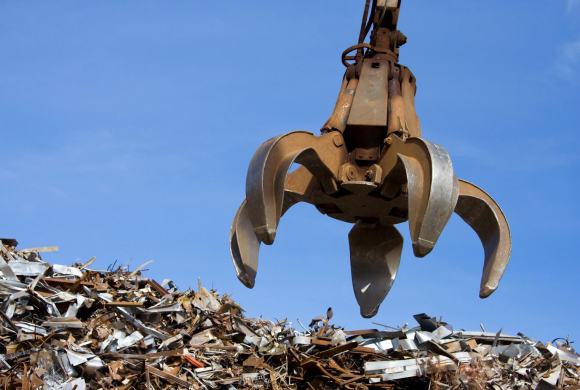
Businesses generating steady volumes can use scrap management services to organize collection, assess material quality and identify recycling options for metals, plastics, paper and electronic scrap. Before arranging service, managers should complete a short waste audit and photograph typical loads. Those details help a processor recommend container types, pickup frequency and separation rules.
Clear labels are equally useful. Place signs at eye level, use photos of acceptable items and train each shift on the same procedure. Supervisors should inspect collection points weekly, especially after a production change or the arrival of temporary staff.
How Modern Sorting Diverts Tons From Dumps
Recycling facilities combine mechanical equipment with trained workers to turn mixed industrial loads into consistent material grades. Magnets can pull ferrous metal from a conveyor while eddy-current systems separate certain nonferrous metals. Screens sort items by size and optical equipment can identify some plastics by resin type or color. Workers then remove objects that machines cannot classify reliably.
Accurate sorting matters because manufacturers need predictable inputs. A paper mill cannot use a bale filled with plastic wrap, just as a plastics compounder needs to know which polymers it is receiving. Cleaner output earns a better price and has a stronger chance of replacing newly extracted or manufactured raw material.
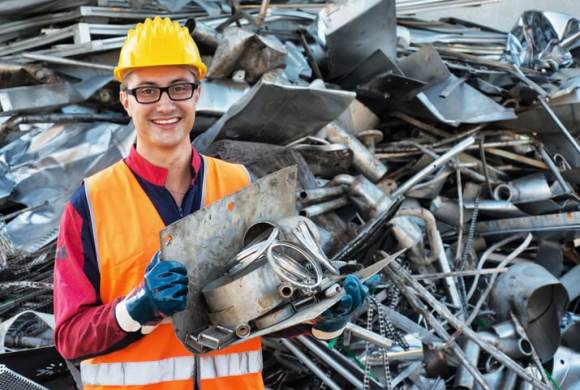
Sorting begins at the factory, however. A facility that keeps aluminum cuttings separate from steel shavings reduces processing work and may receive more value for both streams. Dry cardboard should have a covered container, while different plastic resins may need individual bins.
Track the contamination rate along with total recycling weight. If a processor reports that 8 percent of a monthly load was unsuitable, investigate which line or shift produced the problem. A focused correction often works better than repeating general recycling reminders across the entire site.
Transforming Manufacturing Residue Into Raw Stock
After sorting, processors prepare recovered materials for another manufacturing cycle. Metal may be shredded, cleaned and melted before becoming sheet, bar or other industrial stock. Paper can be pulped and screened to remove coatings or adhesives. Recovered plastics may be washed, ground and converted into flakes or pellets with specifications covering color, moisture and polymer type.
Electronic residue presents a more complicated case. Circuit boards, cables, housings and components contain several materials packed into small spaces. The Baker Institute’s analysis of the electronics waste stream explains both the rapid growth of discarded electronics and the need for stronger circular systems. Secure data handling and verified downstream processing should be part of any business electronics recycling program.

Manufacturers can improve the quality of recovered raw stock by keeping residue clean at its source. Store materials indoors when possible, empty containers before they overflow and keep incompatible grades apart. Purchasing and engineering teams can also ask whether suppliers accept production remnants or provide products containing recycled material.
A closed-loop arrangement offers the clearest outcome. In that model, a processor converts a company’s residue into usable stock that returns to the same business or its supply chain. Even when a perfect loop isn’t practical, documented recovery gives each discarded item a traceable destination and turns more factory residue back into a productive input.
The most useful question for any facility is specific: who receives each material after pickup, and what do they make from it? If that answer is unclear, the material-flow record still has a gap worth closing.
Featured Image Photo by Erik Ulbricht on Unsplash
Leave a Reply