

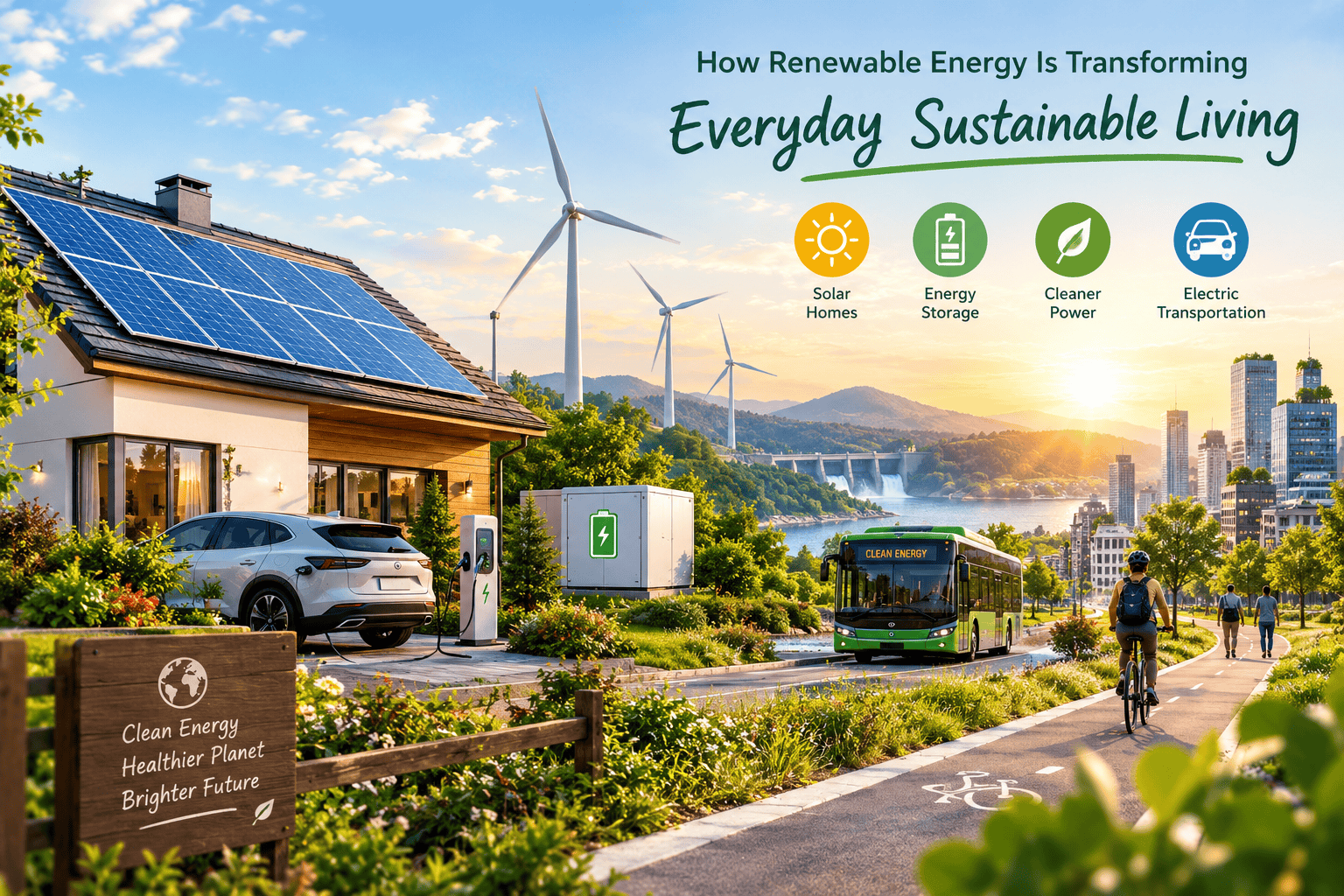
Let’s be honest. How we make and use energy has a massive impact on the planet. For decades, our electricity and transport have leaned hard on fossil fuels. Coal. Oil. Natural gas. Sure, they’ve powered economic growth and the modern life you’re used to. But digging them up and burning them comes with a price. Greenhouse gas emissions. Air pollution. And a bunch of other environmental headaches.
Here’s the deal. Renewable energy gives us another way forward. It uses resources nature keeps topping up. Sunlight. Wind. Moving water. Heat from deep underground. That can help cut our reliance on fuels that’ll eventually run out. While pushing us toward a more sustainable way of living. And as the tech keeps getting better and easier to get your hands on? Renewables are popping up more and more. In homes. Communities. Businesses. And transport. Pretty exciting, right?
What Is Renewable Energy?
So what counts as renewable energy? It comes from sources that naturally refill themselves pretty quickly. Fossil fuels take millions of years to form. Sunlight and wind? They’re always around. Every single day.
Photovoltaic panels generate electricity from sunlight for use in solar power systems. Or uses solar thermal systems to generate heat. Wind turbines use wind to generate electricity. Hydropower is energy from water in motion or falling. Geothermal systems use the heat of the earth below the surface. And biomass can produce energy from organic matter. Lots of options.
Each one has its own perks. And its own limits. Which one’s best? That depends on a few things. Geography. Climate. Infrastructure. How much energy you need. And what resources are nearby.
Reducing Dependence on Fossil Fuels
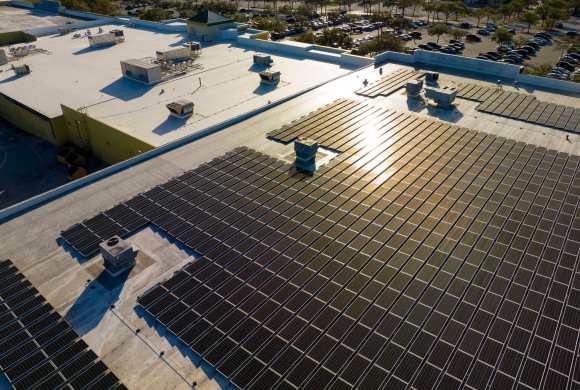
One of the biggest ways renewables help with sustainability? Giving us alternatives to electricity made from fossil fuels.
Electricity produced from coal or natural gas typically emits carbon dioxide and other pollutants in the making. When it’s running, renewable electricity doesn’t have to burn fossil fuels. As renewables get to be a larger chunk of our electricity systems, they can assist decrease the emissions associated with producing power.
But this switch doesn’t happen overnight. Nope. Electricity grids still need solid infrastructure. Storage systems. And backup power sources that work alongside renewables. Still, adding more renewable capacity gives communities more ways to make energy with lower emissions day to day.
Solar Energy and Sustainable Homes
Solar power’s becoming a bigger and bigger part of greener homes. Rooftop solar panels let homeowners make some of their own electricity. Straight from sunlight. Pretty cool, right?
If your home has solar panels, you might use the daytime power for appliances. Lighting. Cooling. And other everyday stuff. Depending on local rules and grid setups, extra electricity can sometimes go back to the grid. Or get stored in batteries for later.
Digital tools can help explain and document renewable energy projects, too. For example, if you’re making educational materials about solar systems, you might use a Nano Banana 2.5 image edito to create or tweak visuals. Ones that explain stuff like solar panels, energy storage, or sustainable home design. Clear visuals can make tricky environmental topics way easier for everyday folks to understand.
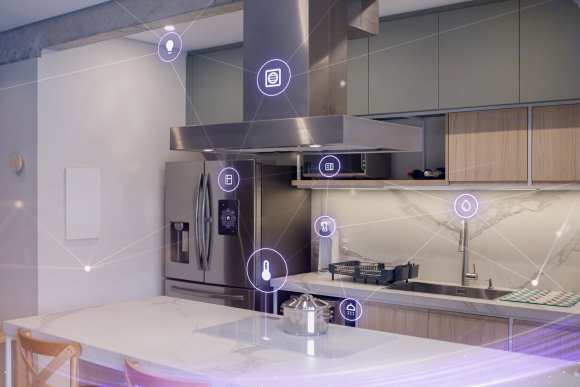
Solar can also team up with energy-efficient design. Better insulation. Efficient lighting. Smart thermostats. Energy-saving appliances. They all cut down how much electricity you need overall. Put lower energy use together with renewable generation, and you can lean way less on regular grid electricity. Win-win.
The Importance of Energy Storage
Here’s one challenge with renewables. They can be a bit unpredictable. Solar panels only make electricity when the sun’s out. Wind turbines depend on the wind blowing. But your energy use doesn’t always follow the same schedule. You still want the lights on at 9 p.m., right?
Battery storage can help fix that mismatch. Electricity made when renewables are pumping out loads of power can be stored. Then used later when demand goes up. Or when renewable output drops.
Big batteries are getting more attention as part of modern electricity systems. And smaller home battery systems can pair nicely with rooftop solar. Other storage options can help, too. Like pumped-storage hydropower and thermal storage. Depending on local conditions.
So storage is a big piece of building a more flexible renewable energy system. Without it, things get tricky.
Renewable Energy and Transportation
Sustainable living isn’t just about the electricity you use at home. How you get around matters a lot, too.
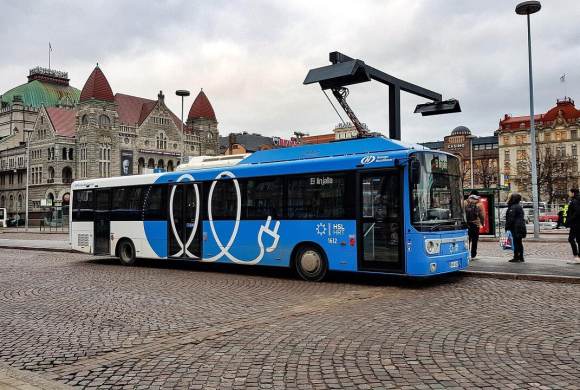
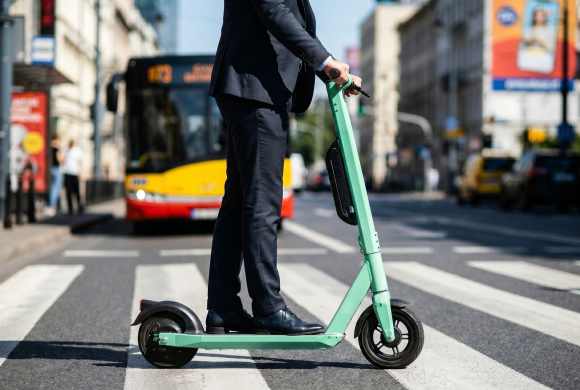
Electric vehicles can run on electricity. Instead of burning gasoline or diesel directly. And when that electricity comes partly or mostly from renewables? The whole energy system leans less on fossil fuels.
Public transport can go electric, too. Electric buses, trains, and other mass transit can cut reliance on petroleum-based fuels. And might even help clean up the air in cities.
But renewable electricity can’t fix every transport problem on its own. Not even close. Walking. Cycling. Public transport. Smart city planning. And cutting out trips you don’t really need. All of that works alongside the shift to cleaner energy.
Supporting More Resilient Communities
Renewables can also help make communities more resilient when things go awry. Some structures or facilities may be served backup electricity from distributed systems such as rooftop solar with battery storage.
Then there are microgrids. A microgrid links generation, storage and use of power locally within a defined area. Sometimes it can help keep essential services running. Even if the larger electricity grid fails.
That’s super valuable for critical places. Hospitals. Emergency centers. And other community infrastructure people really depend on.
Renewable Energy Does Not Mean Zero Environmental Impact
Renewables can bring big environmental benefits. No doubt. But don’t think of any technology as totally impact-free. Nope.
Solar panels, wind turbines, batteries, and other tech all need raw materials. Manufacturing. Shipping. Installation. And eventually disposal or recycling. Mining for certain minerals can cause environmental and social problems, too. If it isn’t managed properly. That’s where it gets shady.
So sustainable energy planning should look at a technology’s whole life cycle. Not just the emissions while it’s running. Recycling. Responsible sourcing. Efficient manufacturing. Gear that lasts longer. And better product design. All of it helps cut environmental impacts.
The Role of Individuals and Communities
Big energy infrastructure matters, sure. But sustainable living also comes down to everyday choices. Yours included. You can cut your energy use by improving your home’s insulation. Picking efficient appliances. Switching off stuff you’re not using. And using heating and cooling responsibly.
Communities can back renewables through local projects. Better public transport. Energy-efficient buildings. And policies that encourage smart energy use.
Even small cuts in energy use can add up big time. Especially when millions of people do them. Using less energy also takes pressure off electricity infrastructure. And makes renewable systems easier to fit in.
Looking Toward a Sustainable Energy Future
Renewable energy’s becoming a bigger and bigger part of conversations about climate change. Energy security. And sustainable development. Solar, wind, hydropower, geothermal, and other renewable tech can offer real alternatives to old-school fossil-fuel energy systems.
But the transition takes more than just putting up renewable generators. Energy efficiency. Modern electricity grids. Energy storage. Responsible mineral sourcing. Recycling. Sustainable transport. And thoughtful planning. They all have a part to play.
Bottom line? Sustainable living isn’t about finding one magic technology that fixes every environmental problem. It’s about building systems that use resources more wisely. While cutting out harm we don’t need to cause. Renewable energy can be a huge part of that bigger shift. Helping households and communities move toward an energy future that’s cleaner. More flexible. And way less dependent on resources that’ll eventually run out.
Leave a Reply