


Every day, millions of people around the world spend long hours in traffic. Roads are crowded, buses move slowly, and the air in many cities becomes dirty because of car pollution.
In some places, people feel they cannot live without a car because public transport is not good enough.
Large cities in the United States are famous for this problem, but many other countries also face the same situation.
Experts now believe that cities must slowly reduce their dependence on cars if they want cleaner air, safer streets, and a better future for people.
So, are those experts telling facts or just their opinion? Let’s talk about this thing here.
Better Public Transport Can Reduce Car Use
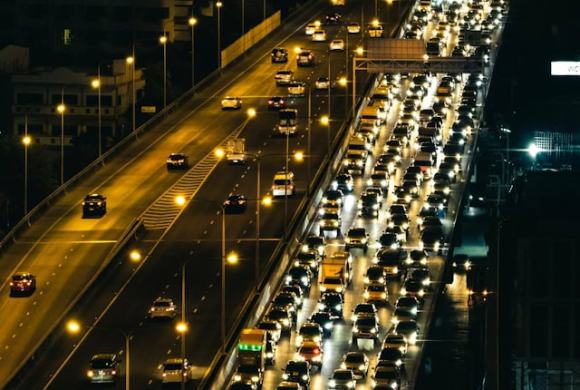
Environmental experts and doctors say fewer cars can help reduce pollution and climate problems. Cars also take up a huge amount of public space. Parking areas, large roads, and traffic jams make cities noisy and stressful.
Because of this, researchers and transportation experts are searching for better ways to help people move around cities without depending too much on private cars.
But let’s look at why people love cars. One of the biggest reasons people continue driving is because public transport is often slow, crowded, or unreliable. If buses arrive late or train stations are too far away, many people choose to drive instead.
Experts say the first step to reducing car use is improving public transport systems. Alissa Kendall from the University of California explained this clearly.
“Making sure public transport can meet the mobility needs of residents is step one.” She said.
This challenge is difficult in countries like the United States because many cities are very large and spread out. Homes, schools, and offices are often far from each other. Public transport systems in these cities need more time and money to improve.
Some politicians have suggested free bus rides as a solution. In New York City, free bus travel became an important topic during Zohran Mamdani’s mayoral campaign. However, researchers say cheaper tickets alone may not solve the problem.
Transport researcher Matthias Cremer-Schulte explained that many people who use buses already benefit from cheaper prices. Drivers often care more about comfort and flexibility.
If buses are still too slow or routes are limited, many people will continue driving even if tickets become free.
Because of this, experts believe cities must improve quality first. Public transport needs cleaner vehicles, better schedules, wider routes, and shorter waiting times. When buses and trains become faster and more comfortable, more people may finally choose them over private cars.
Streets Need More Space for Cyclists and Pedestrians

For many years, cities were designed mainly for cars. Roads became wider, parking areas became larger, and pedestrians received less space. Cyclists often had to ride beside dangerous traffic because bike lanes were missing.
Now many cities are trying to change this situation. Governments are building bike lanes, wider sidewalks, and pedestrian-only streets. Some parking spaces are even being changed into parks or green public areas.
Hannah Budnitz from the University of Oxford says these changes are not really a “war on motorists,” even though some drivers complain about them. She explained that cars are one of the least efficient ways to move large numbers of people inside busy cities.
Cars also spend most of their time parked. Budnitz explained this idea with a simple example. “If you only need a car once a week, you can’t have a seventh of a car,” she said. Many people own large vehicles even though they only use them occasionally.
Cities like Amsterdam and Copenhagen have become famous because many residents travel by bicycle every day. Safe bike lanes help people feel more comfortable cycling to work, school, or shopping areas.
Traffic Problems Often Begin Outside the City

Even cities with good public transport still face heavy traffic every morning. One major reason is commuters from suburban areas. Many people live outside city centers because houses are cheaper there, but they still travel into the city for work every day.
Susana López-Aparicio from a Norwegian research institute explained this problem. She said traffic becomes very heavy in European cities every morning because so many people travel long distances at the same time.
Experts believe better transport systems in suburban areas could help solve this problem. Faster trains and more bus connections may reduce the number of cars entering cities each day.
Another idea is the “15-minute city.” In this type of city, people can reach schools, supermarkets, clinics, parks, and other important places within fifteen minutes by walking or cycling. This reduces the need for long car journeys.
López-Aparicio said she personally experienced this change after moving closer to central Oslo. She explained that she could walk to supermarkets, hairdressers, and post offices instead of driving everywhere.
Good city planning is very important because people naturally drive less when important places are nearby. Experts believe cities should become more practical and comfortable for walking and cycling.
Still, researchers understand that cars are necessary for some people. In small villages or rural areas, public transport systems are often too expensive to operate regularly. People with disabilities may also depend heavily on personal vehicles.
Changing Public Attitudes Is Also Important
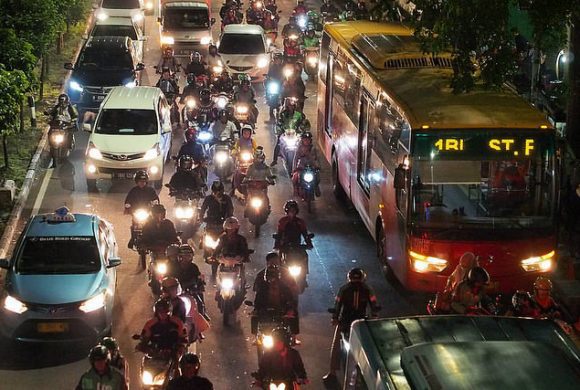
Besides transport systems and roads, experts say culture also affects how people travel. In some countries, driving is connected with freedom, success, or social status. Public transport may sometimes carry negative stereotypes.
Brian Caulfield from Trinity College Dublin says governments need to understand why people avoid buses or trains. Some people feel unsafe at night because stations are dark or empty. Others believe public transport is uncomfortable or inconvenient.
Simple improvements can help solve these problems. Better lighting, safer stations, and late-night bus services may encourage more people to use public transport.
In many European and Asian countries, buses and trains are also viewed differently than in North America. Rich and poor people often use the same public transport systems. Because of this, using buses or trains carries less social stigma.
Norway has an interesting example from history. During the 1973 oil crisis, King Olav V used the subway to encourage people not to drive too much. Even today, members of the Norwegian royal family are sometimes seen riding buses and trams.
Mexican politician López-Aparicio explained the message behind this behavior. She said, “Taking public transport is not something that you do because you are poor. It is something that you do for the common wealth of the whole society.”
Sources:
Leave a Reply