


Air conditioning is often considered a straightforward equipment upgrade. When a home feels too hot and the old system is struggling, replacing the unit seems like the obvious next step. However, sustainable cooling involves more than just buying a new air conditioner.
Even with a modern system, a home can waste energy if the unit is oversized, the ductwork leaks, the airflow is weak or the installation is rushed. For homeowners who care about both comfort and energy use, the real goal is not just to have colder air. It’s a home that stays comfortable without overworking the cooling system.
This is where better air conditioning planning and installation can make a real difference.
Why AC Installation Matters for Energy Efficiency
For a high-efficiency air conditioner to perform well, it must be installed correctly. It is important that the system matches the home, the ductwork, the airflow pattern and how the rooms are actually used.
If installation is treated as a quick equipment swap, several problems may remain hidden.
- The system may be too big or too small.
- Rooms may still cool unevenly.
- Air conditioning units may lose conditioned air before it reaches living areas.
- The unit may cycle on and off too frequently.
- Humidity control may be poor.
- Energy bills may remain higher than expected.
A good installation starts before the new equipment arrives. This involves evaluating the property, understanding the cooling requirements, checking the airflow and selecting a system that is suitable for the property, rather than simply replacing the old unit with an identical one.
Bigger Is Not Always Better
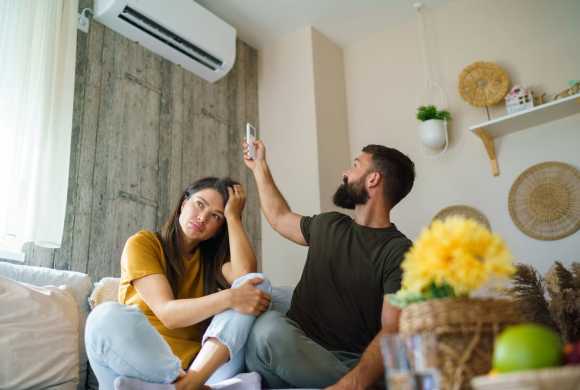
Many homeowners assume that a larger air conditioning system will cool their home more effectively. While this sounds reasonable, in practice an oversized air conditioner can cause comfort and efficiency issues.
If a unit is too large, it may cool the air quickly and then shut off before completing a proper cycle. This can result in short cycling, uneven temperatures, increased wear on components and poor humidity control. As a result, the home may feel cold near the thermostat but warm in bedrooms, upstairs rooms, or areas with poor airflow.
A properly sized system operates differently. It is selected based on the home’s actual cooling requirements, which include:
- square footage;
- insulation level;
- ceiling height;
- sun exposure;
- window size and direction;
- duct condition;
- return air setup
- number of occupants;
- Room layout.
This is why sizing should not be based on guesswork. When installing an air conditioning unit, it is important to consider how the whole home handles heat, not just the age of the old unit.
The House Itself Affects Cooling Performance
Even the most efficient cooling system can waste energy if a home is constantly gaining heat or losing conditioned air.
Before replacing an air conditioning system, homeowners should consider the building’s role in the cooling process. There are a few common issues that can make a home harder to cool.
Poor attic insulation
In hot climates, heat from the attic can transfer into living spaces, making upstairs rooms uncomfortable. Without proper insulation or ventilation, the air conditioning unit has to work harder throughout the day.
Leaky windows and doors
Air leaks allow hot outdoor air to enter and cooled indoor air to escape. Even small leaks can impact comfort when outdoor temperatures remain high.
Heat gain from sunlight
Large windows, west-facing rooms and unshaded glass can increase the demand for cooling. However, window coverings, shading and improved glass performance can reduce the strain on the air conditioning system.
Weak airflow paths
If the return air is restricted or the supply vents are poorly positioned, the system may struggle to circulate cool air evenly throughout the home.
Sustainable cooling involves more than just installing new equipment. It’s also about minimising the unnecessary work that equipment has to do.

Ductwork Can Make or Break A New Air Conditioning System
Ductwork is one of the most overlooked aspects of air conditioning replacement. Homeowners often focus on the outdoor condenser or indoor unit because these are the only visible components. However, it is the ducts that determine how much cooled air actually reaches each room.
If the ducts are damaged, undersized, disconnected, crushed or not properly sealed, the new AC system may inherit the same comfort issues as the old one.
The following signs may indicate that ductwork needs attention:
- Some vents have weak airflow.
- Rooms that never cool properly.
- Large temperature differences between rooms.
- Dust around the vents.
- high energy bills;
- noisy airflow
- Long system run times.
Not every home needs new ductwork. Often, the solution involves sealing leaks, improving returns, balancing airflow, replacing damaged sections or correcting restrictions. It is important to check the ductwork before assuming that replacing the equipment alone will solve the problem.
The Quality of Installation Affects Long-Term Performance
Installing an AC unit is a technical job. Even small details can affect how the system performs over the long term.
A careful installation should take into account:
- Correct equipment sizing.
- Proper refrigerant charge.
- clean drainage setup;
- Safe electrical connections.
- line set condition;
- Thermostat compatibility.
- airflow testing;
- equipment placement;
- startup checks;
- Homeowner handover.
If these steps are skipped or rushed, the system may turn on, but it may not operate efficiently. This can result in complaints about comfort, wasted energy and premature wear.
This is why homeowners should not just compare air conditioning quotes on price. Cheaper installations that ignore sizing, airflow and setup can cost more over time due to higher energy usage and the need for earlier repairs.
When a Heat Pump May Be Worth Considering
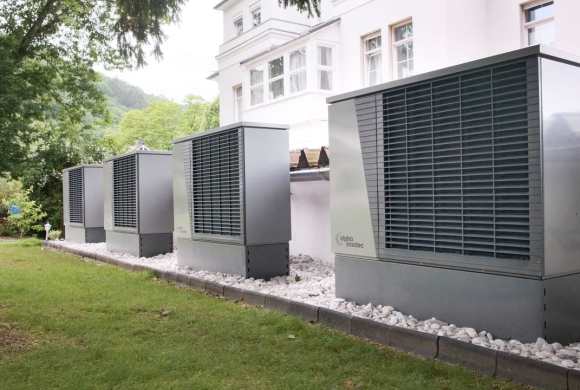
For some homes, replacing an old air conditioning (AC) system is also an opportunity to consider heat pump options. A heat pump can provide cooling in warm weather and heating in cooler months, all from the same system.
This does not mean that a heat pump is always the right choice. The best option depends on factors such as the home, climate, electrical capacity, ductwork, comfort needs and budget. However, for homeowners interested in energy-efficient upgrades, it is worth considering whether a heat pump would be a good option.
In some cases, ductless mini-splits can also be useful. They can help to cool rooms that are difficult to cool using the main ducted system. Examples of such rooms include:
- home offices;
- Upstairs bedrooms;
- garages;
- room additions;
- Guest spaces;
- Accessory Dwelling Units
A zoned solution can reduce the need to cool the whole house just to make one difficult room comfortable.
Plan Ahead To Reduce Waste And Stress
Many air conditioning replacements happen during a breakdown. When the system fails in hot weather, the home becomes uncomfortable and the homeowner has to make a quick decision.
Emergency replacement is sometimes unavoidable. However, if an older system is already showing signs of decline, planning ahead can lead to a better outcome.
Homeowners should consider replacement planning when they notice the following:
- frequent AC repairs;
- rising energy bills;
- uneven cooling;
- loud operation;
- Weak airflow.
- Refrigerant leaks.
- Poor humidity control.
- It’s an old system that struggles during hot afternoons.
If homeowners plan ahead, they have more time to compare system types, review duct conditions, consider efficiency levels and choose an installer based on quality rather than urgency.
A More Sustainable Approach To Home Cooling
Eco-friendly cooling does not mean going without air conditioning. In many warm regions, air conditioning is essential for safe and comfortable indoor living. A better question is whether a home is being cooled intelligently.
A sustainable air conditioning (AC) upgrade should focus on four things:
1. Reduced cooling demand
Where practical, improve insulation, reduce heat gain and fix air leaks.
2. Select the correct system size.
Avoid using oversized equipment, as this results in short cycles and wasted energy.
3. Protect airflow.
Check the ducts, returns, filters and vent performance prior to installation.
4. Install and test properly.
Ensure that the system is correctly configured, charged, drained and started up.
If these steps are followed, a home can stay cool while putting less strain on the equipment.
Choosing the Right AC Installation Partner
For homeowners planning energy-conscious AC installation in Orange County, the most important step is choosing an installation approach that looks beyond the equipment box.
The right contractor should be able to explain why they are recommending a certain system size, whether the ducts need attention, how they will check the airflow, and which options would be best for your home. This approach leads to greater comfort and efficiency, and fewer avoidable problems after installation.
A new air conditioning system should do more than just make the home colder. It should help keep the home comfortable in a smarter, more efficient way.

Final Thoughts
Replacing an air conditioner is a significant home investment. However, it also presents an opportunity to reduce energy waste, improve comfort and make the home more resilient during hot weather.
The best results usually come from careful planning rather than rushing into buying the biggest or cheapest system available. Homeowners who consider factors such as size, ductwork, airflow, insulation and installation quality are more likely to get a system that will perform well for years.
It is possible to achieve both comfort and sustainability. With the right installation strategy, it is possible to keep a home cool while using energy more responsibly.
Leave a Reply