


Animal welfare has always relied on compassionate individuals who speak up for those without a voice. While public awareness campaigns draw attention to animal suffering, impactful animal charities know that real change happens when compassion becomes law.
Nonprofits across the country are using strategic advocacy to transform ethical concerns into enforceable protections. From factory farms to puppy mills, these organizations are proving that lasting progress requires more than empathy alone.
Why Animal Rights Require Legislative Action
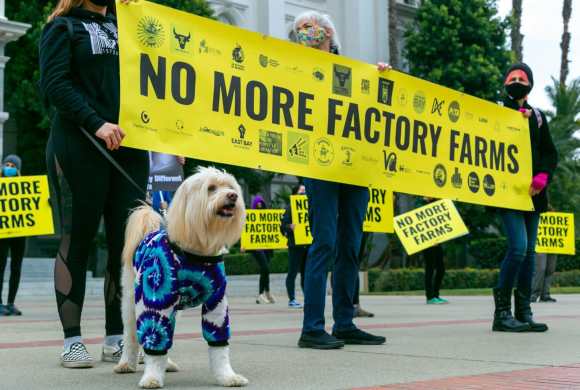
Photo by Jorge Maya on Unsplash
People’s moral standpoints influence how they treat animals in daily life, but without laws backing those beliefs, ethical standards remain voluntary rather than enforceable. Legal frameworks transform values into binding requirements that create real consequences for violators. Supplementing traditional welfare approaches with ethical considerations brings overlooked issues to the forefront.
When nonprofits successfully challenge harmful practices in court, the outcomes can encourage compliance with existing standards across entire industries. Repeated victories create what researchers call a litigation-normalization feedback loop, in which each case slightly shifts public attitudes. Over time, courts become more receptive to arguments they once dismissed. Building credibility through these wins further strengthens the movement’s ability to sway both governments and public opinion.
Humane World for Animals — Driving Puppy Mill Closures

Photo by Hermes Rivera on Unsplash
Since 2013, Humane World for Animals, formerly known as Humane Society of the United States and Humane Society International, has pioneered the use of investigative reporting to combat cruelty in commercial breeding facilities. The organization’s primary tool is its “Horrible Hundred” report, an annual exposé that shines a light on operations where animals are kept in dangerous and inhumane conditions.
A recent case in Loudonville, Ohio, perfectly illustrates the report’s effectiveness. After a breeder was listed three times for unsafe practices, authorities seized over 70 dogs from the property and filed animal cruelty charges.
This model of targeted investigation, coupled with public pressure, has catalyzed sweeping reforms across the United States. According to the organization, “more than 3,500 animals have been rescued since we first started publishing the Horrible Hundred report.” This has also spurred significant legislative action, with 10 states and over 530 localities now banning the retail sale of puppies.
Consequently, USDA-licensed breeding facilities are producing about 550,000 fewer puppies each year than they were in 2020. With a global team of 1,100, Humane World for Animals demonstrates how sustained journalistic work can successfully create accountability where official oversight has historically fallen short.
The Humane League — Defending Farm Animal Protections

Photo by Pascal Debrunner on Unsplash
When California voters approved Proposition 12 in 2018 by a margin of 63%, they established what became the nation’s most comprehensive farm animal welfare statute. The law prohibits both extreme confinement methods and the commercial sale of products derived from creatures subjected to those practices.
The Humane League played a central role in getting the measure onto the ballot, “with volunteers collecting more than 660,000 signatures through a record-breaking texting campaign.” Following its passage, industry groups mounted legal challenges attempting to overturn what voters had decided.
The U.S. Supreme Court weighed in during 2023 in National Pork Producers Council v. Ross, affirming that individual states have the constitutional authority to regulate product sales based on animal-treatment standards. Two years later, when pork producer Triumph Foods pursued a separate federal case to prevent implementation, the district court rejected most of the arguments presented.
The Humane League’s continued advocacy for Prop 12 illustrates why grassroots movements cannot rest after achieving ballot success. Sustained legal defense has proven essential to preserving reforms against corporate resistance.
International Fund for Animal Welfare — Protecting Captive Big Cats

Photo by Janosch Jost on Unsplash
The International Fund for Animal Welfare (IFAW) has worked to address the captivity crisis affecting large felines nationwide, particularly following the passage of the Big Cat Public Safety Act in December 2022. The federal legislation prohibits private ownership of tigers, lions and similar species as pets while ending direct-contact exhibitions where visitors pay to interact with cubs.
“In the United States, there are as many as 10,000 big cats in captivity,” says the organization. These creatures often endure poor conditions in private collections, unqualified roadside facilities or operations claiming sanctuary status but lacking proper credentials. When authorities confiscate felines or owners surrender them, finding an appropriate placement becomes critical.
Individual rescue centers have historically struggled to accept every cat in need due to limited capacity. Recognizing this gap, legitimate facilities formed the Big Cat Sanctuary Alliance in 2017 to coordinate resources collectively. When one center cannot accommodate surrendered cats, the network connects through IFAW’s hotline to secure placement within hours.
Like all nonprofits, IFAW relies on animal welfare donations to sustain its rescue operations. Over the past 15 years, the organization has helped relocate 218 big cats to qualified facilities where trained professionals can provide appropriate care for these complex creatures.
Frequently Asked Questions
Supporters often want to know how their contributions create meaningful change. The following questions address common concerns about effective giving and policy work.
What is the most effective way to make animal welfare donations?
Contributing to organizations actively engaged in regulatory change ensures systemic impact that helps prevent future suffering. The examples above show how investigative reporting, ballot campaigns and legal defense create broader protections than direct intervention alone.
How do impactful animal charities shape policy?
Impactful animal charities form coalitions, publish investigative reports like the Horrible Hundred, mobilize volunteers for ballot initiatives and challenge harmful practices in court. Applying pressure at multiple points in the policymaking process increases the likelihood of success.
Why does ongoing legislation matter for animal rights?
Ethical frameworks alone cannot create binding requirements. Continuous legal action establishes a precedent that courts respect while protecting voter-approved measures from corporate challenges, as The Humane League’s Prop 12 defense demonstrates.
The Future of Animal Advocacy
Tackling the root causes of suffering requires a commitment that extends over years or even decades. While some policy victories materialize quickly, many take considerable time to pass at the government level. Staying engaged ensures the impact endures long after initial efforts conclude.
Leave a Reply