

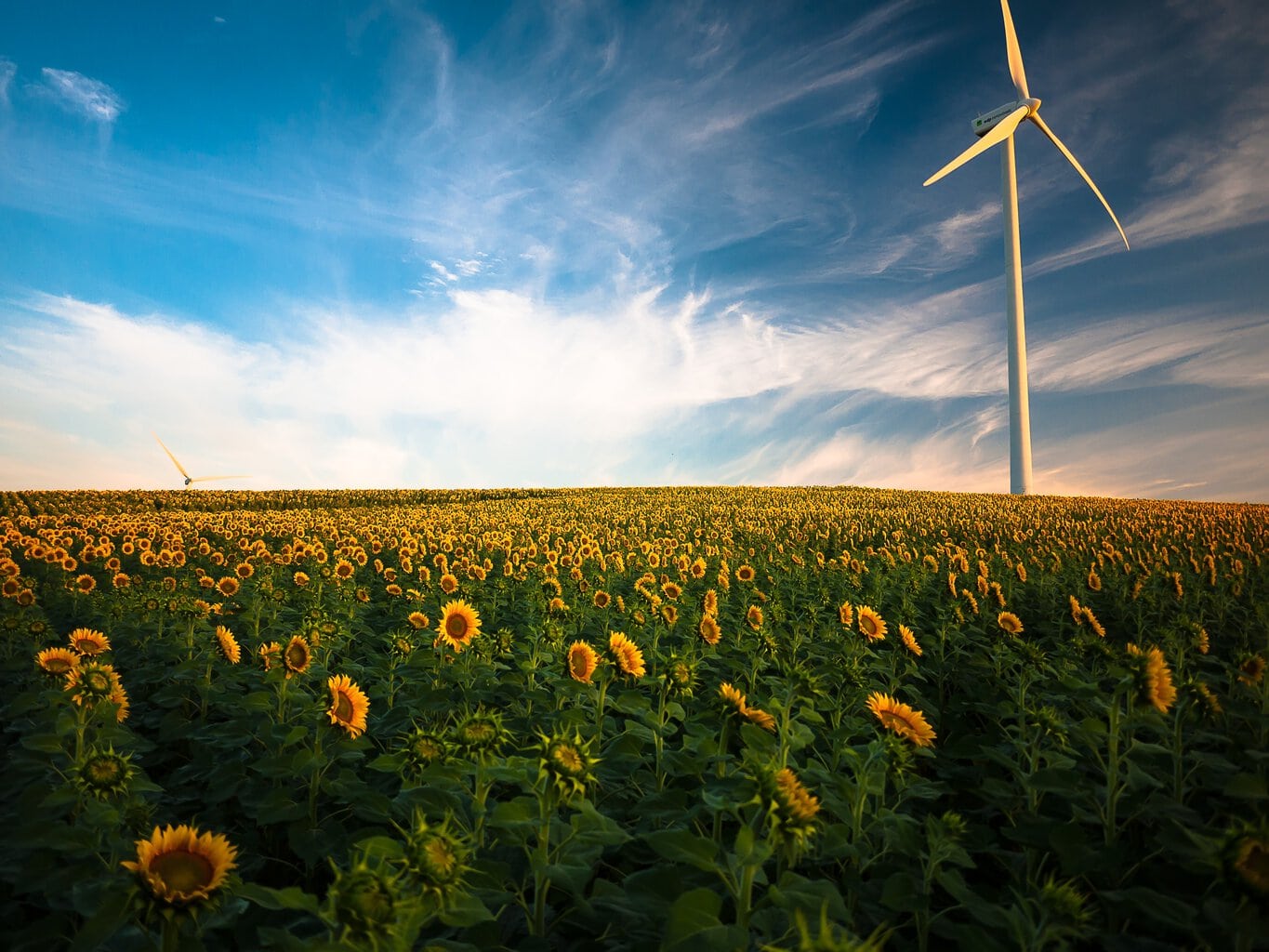
Energy’s kind of the invisible thing running underneath everything, right? How a society makes it and uses it shapes the environment way more than most people ever stop to think about. Coal, oil, and natural gas have carried the load for decades now — electricity, transport, manufacturing, heating, all of it.
Sure, that’s fueled a lot of real economic growth. But burning all that stuff also pumps out greenhouse gases and drives air pollution and climate change, which is the catch nobody loves talking about. Renewable energy’s the other path — sunlight, wind, water, organic material, stuff that just keeps refilling itself instead of running out.
As countries and communities keep hunting for ways to shrink their footprint, renewable energy’s basically become the center of that whole conversation. Getting a real handle on how these sources actually work, and what they’re up against, helps people make sense of where energy’s genuinely headed — not just the headlines.
What Renewable Energy Actually Means
Renewable energy comes from stuff that keeps replenishing on its own, over and over. Fossil fuels took millions of years to form underground — renewables don’t play by that clock at all.
Solar grabs sunlight and turns it into electricity through panels, or heat through solar thermal setups. Wind spins turbines to turn moving air into power. Hydropower pulls electricity out of flowing or falling water. Geothermal taps heat sitting beneath the Earth’s crust. Biomass squeezes energy out of organic material — crop leftovers, certain plant matter, that kind of thing.
Every single one of these has its own quirks — strengths, limits, trade-offs. None of them’s some magic silver bullet, and honestly nobody serious claims they are.
The Emissions Thing Is Kind of the Whole Point
Here’s probably the biggest reason renewable energy actually matters: it can genuinely cut greenhouse gas emissions from how power gets made. Fossil-fuel plants pump out a staggering amount of CO2 every time coal, oil, or gas gets burned for electricity.
Renewables just don’t carry that same baggage during actual operation — way lower direct emissions, full stop. So the more renewable share you’ve got in an electricity system, the lower its overall carbon footprint gets, especially once renewables start actually replacing fossil-fuel power instead of just sitting alongside it.
Doesn’t mean renewables are spotless, though — manufacturing, transport, construction, land use, eventually disposing of or recycling the gear, all of that still counts toward the full picture. But even with that caveat, renewable tech’s doing real, measurable work cutting emissions across the whole sector.
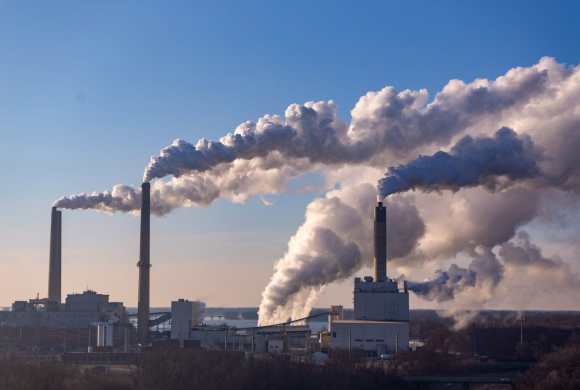
Cleaner Air Comes Along for the Ride
Burning fossil fuels for power doesn’t just mean emissions — it means pollutants messing with air quality right where people actually live. Sulfur dioxide, nitrogen oxides, particulate matter, depending on the fuel and tech involved. Stuff you genuinely don’t want floating around in your lungs.
Most renewable tech skips combustion entirely. Solar panels and wind turbines make electricity without setting anything on fire. Lean harder into that, and you’re cutting real air pollution tied to conventional power — not just theoretical, actual breathable-air improvement.
That matters most in places already dealing with heavy pollution from power plants, traffic, and industry all stacked on top of each other.
Spreading the Risk Around
Leaning too hard on one fuel source is a genuinely risky bet — leaves the whole system exposed to price swings, supply hiccups, or some geopolitical mess nobody saw coming. Renewables spread that risk out. Solar, wind, hydro, geothermal — real options instead of one point of failure.
In a lot of places, households and businesses are even generating some of their own power now — rooftop solar, small-scale setups, that kind of thing. It’s not just utility-scale stuff anymore; regular people are part of the mix too.
And honestly, spreading awareness about this stuff matters just as much as building the infrastructure. Someone making educational content about renewables might lean on a ChatGPT video editor to turn genuinely dense sustainability info into something people actually want to watch — a quick explainer instead of a wall of text nobody reads.
Storage Is the Unsexy Problem That Actually Matters
Here’s the catch with solar and wind, though — sun’s not always out, wind’s not always blowing, and electricity demand doesn’t politely wait around for either one to cooperate.
That’s where storage comes in. Batteries soak up electricity when production’s running high and release it back when demand spikes or renewable output dips. There’s also pumped-storage hydro, thermal storage, and systems that use surplus electricity to make fuels like hydrogen for later.
Build out storage right alongside renewable generation, and the whole system gets a lot more flexible — not just cleaner, genuinely more dependable when it actually counts.

It’s Not Just Panels and Turbines — It’s People Too
The shift to renewables plays out differently depending on where you are. Big solar farms and wind projects eat up real land and need real infrastructure, and building them means actually thinking about ecosystems, wildlife, farmland, and the people already living there — not just where the sun happens to shine brightest.
On the flip side, these projects create real jobs — building, installing, maintaining, all of it. Community-owned projects go a step further, letting locals actually own a piece of the energy generation instead of just having something built near their backyard by some outside company.
Getting this right takes real planning — the environmental upside shouldn’t come at the cost of the people and ecosystems already there.
The Honest Challenges Nobody Should Skip
Renewables aren’t some cure-all for every energy or environmental problem out there. Building this infrastructure needs real materials, real factories, real transmission lines, and serious money behind it. And panels, turbines, batteries — all of it carries its own environmental cost across its lifespan, not just a clean label slapped on the box.
Recycling and responsible disposal matter more every year as more of this gear ages out. Better material efficiency, stretching equipment lifespans, smarter recycling systems — all of it chips away at waste and resource demand over time.
Grids need real upgrades too. As renewables keep growing their share, transmission and distribution systems have to keep up with how differently power’s now being made and used — that infrastructure wasn’t built with this in mind originally.

Where This All Actually Lands
Building something genuinely sustainable isn’t about picking one energy source and calling it a day — it’s a mix. Renewables working alongside efficiency gains, smarter grids, real storage, responsible land use, and honest changes in how people actually consume power.
Individual choices add up too — cutting waste, tightening up home efficiency, going renewable where it’s actually practical, and just genuinely understanding what different energy choices cost the planet.
This whole shift’s a long game — governments, businesses, communities, researchers, regular people, all pulling roughly the same direction over years, not months. Growing cleaner energy while honestly grappling with its own environmental and technical baggage is really how societies end up treating the planet’s resources with something closer to actual respect.
Leave a Reply