

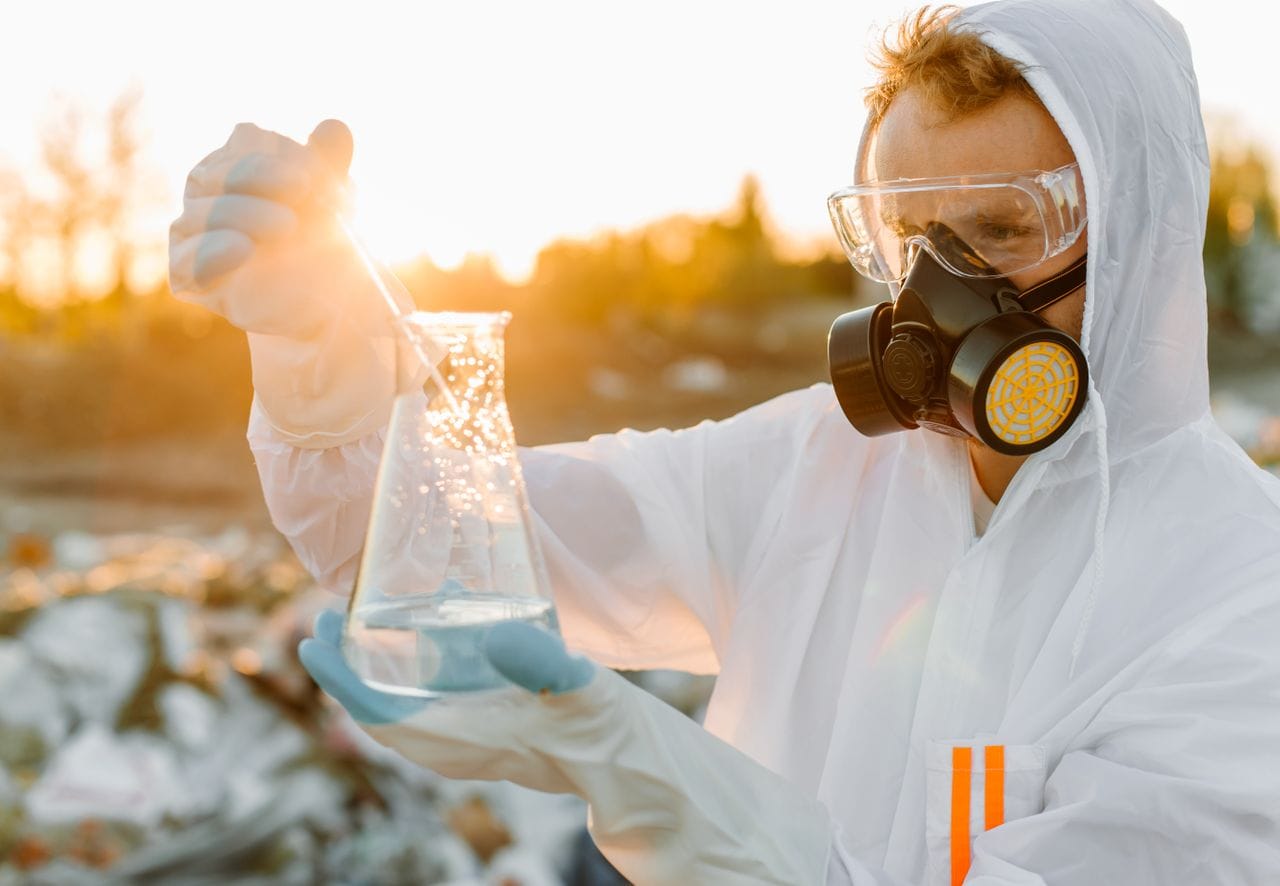
Forever chemicals have moved from emerging concern to widespread reality. Per- and polyfluoroalkyl substances now appear in soil, groundwater and drinking water systems across the country, and evolving federal regulations mean property owners face pressure to address contamination quickly. If you’re managing a site with potential PFAS exposure, understanding the remediation process and partnering with the right environmental consultant can protect you from long-term liability.
The Growing Urgency Behind PFAS Site Remediation
PFAS molecules contain strong carbon-fluorine bonds, which means they do not degrade easily in the environment. That persistence can allow PFAS to remain in soil, groundwater and drinking water systems long after the original source of contamination is gone.
That staying power creates real challenges for property owners and site managers. If contamination is left unaddressed, PFAS may continue moving through environmental media in ways that complicate investigation, cleanup and long-term risk management. This is where specialized consulting support becomes especially important.
Federal expectations are also becoming more defined. The EPA has finalized enforceable drinking water limits for certain PFAS, making regulatory expertise a critical part of any remediation strategy. Property managers need consultants who can track changing requirements, evaluate site-specific risks and adapt cleanup plans as compliance obligations evolve.

Methodology For Finding the Right Environmental Consultant
Evaluating a potential remediation partner for PFAS projects comes down to several criteria that are specific to these complex contaminants. The right environmental consultants combine technical capabilities with regulatory fluency and a proven track record on difficult sites:
- Regulatory expertise: PFAS standards vary by state and continue to evolve at the federal level. Your consultant should demonstrate current knowledge of EPA guidelines and state-specific requirements that may be stricter than federal rules.
- Technical depth: Effective PFAS remediation requires specialized analytical methods and treatment technologies. Look for consultants with in-house laboratory capabilities or partnerships with accredited testing facilities capable of detecting PFAS at extremely low concentrations.
- Multidisciplinary services: Complex sites often need hydrogeologists, toxicologists, remediation engineers and regulatory specialists working together. A consultant who can coordinate these disciplines under one roof streamlines communication and project timelines.
- Permitting experience: PFAS cleanup projects typically involve multiple permits for groundwater extraction, treatment system installation and waste disposal. Your partner should have documented success navigating permitting processes with state environmental agencies.
- Project delivery capability: Large-scale remediation requires consistent project management and the ability to quickly mobilize equipment and personnel as regulatory deadlines approach.
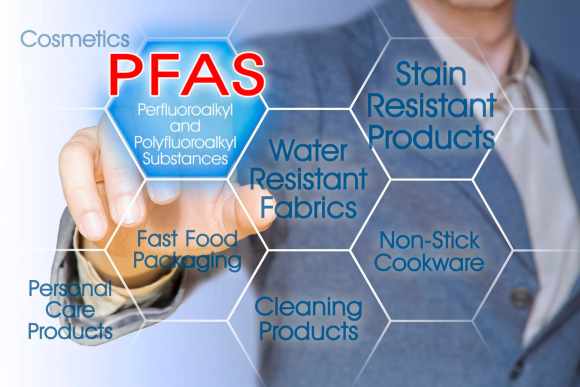
4 Top Environmental Consulting Firms for Complex PFAS Projects
The following firms represent the strongest options for addressing complex site remediation and regulatory compliance related to forever chemicals. Each brings proven capabilities to PFAS projects, though their specific strengths vary.
1. TRC Companies
TRC Companies brings together characterization, remediation, toxicology and regulatory strategy through its dedicated Center of Research and Expertise, a group of tested practitioners focused specifically on PFAS fate, transport and cleanup methods. Its teams have restored drinking water for entire communities affected by contamination. Their on-site ART-PFAS technology offers an alternative to traditional pump-and-treat groundwater cleanup approaches that can run for years.
With more than 50 years of experience in landfill remediation, TRC Companies is well-positioned to handle complex projects involving forever chemicals. The partner has addressed firefighting foam contamination at former military installations and industrial sites where multiple PFAS compounds require coordinated treatment strategies.
Its multidisciplinary approach means you work with specialists who understand both the technical challenges of mitigating persistent contaminants and the regulatory compliance requirements that govern cleanup timelines.
2. Geosyntec Consultants
Geosyntec Consultants has built a PFAS practice with a real technical range, including a subsidiary called Savron that developed an award-winning smoldering combustion technology used to destroy PFAS in contaminated soil under a Department of Defense research program.
Their hydrogeologists specialize in unusually difficult site conditions, including fractured bedrock and underground caves where contaminants migrate along unpredictable pathways. The firm’s forensic work helps identify exactly where contamination originated, which becomes essential when determining liability for cleanup costs. That combination of destruction technology and source identification makes Geosyntec a strong fit for sites where the cleanup path isn’t straightforward.
3. Ramboll
Ramboll has worked on PFAS specifically for more than two decades, and it shows in the scope of what they offer. Services span from site investigation and treatment engineering to regulatory tracking via their PFASGlobalView tool, which monitors evolving standards across jurisdictions.
Their team upgraded one of the largest water treatment plants in the country to remove PFAS while helping the client recover the full cost from the federal government. Ramboll has also developed original PFAS standards to protect groundwater in certain states, giving it a track record that goes beyond simply following existing regulations.
This level of involvement in standard-setting means their consultants understand the scientific rationale behind regulatory limits and can anticipate how standards might tighten in future years.
4. Arcadis
Arcadis is a global consulting firm with experience supporting large, complex environmental projects, including PFAS-related work for public- and private-sector clients. Its environmental teams bring together technical specialists across chemistry, toxicology, site investigation and remediation planning, which can be valuable when contamination affects multiple locations or requires coordination with regulators.
Arcadis is a strong fit for projects that need structured project delivery, digital site assessment tools and experience with large-scale remediation programs. If your site involves active operations, multiple stakeholders or a federal-scale scope, Arcadis has the consulting infrastructure to help evaluate PFAS impacts and guide cleanup planning without relying on a one-size-fits-all approach.
Frequently Asked Questions
These questions address common concerns about PFAS remediation and consultant selection.
Why are forever chemicals so difficult to clean up?
PFAS compounds do not break down naturally because their carbon-fluorine bonds are among the strongest in organic chemistry. Cleanup requires highly specialized technologies, including advanced filtration systems, thermal destruction methods or emerging techniques like electrochemical oxidation.
What should I look for in an environmental consulting partner?
Look for a partner with deep regulatory expertise who can navigate evolving PFAS standards. Proven technical depth matters, particularly experience with analytical methods sensitive enough to detect extremely small concentrations. A history of managing complex permitting demonstrates the partner can move your remediation forward without regulatory delays.
Finalize Your Remediation Strategy With the Right Partner
Handling forever chemicals requires expert intervention because their chemical stability can create long-term contamination risks that are unlikely to resolve on their own. The environmental consultants you choose will determine whether your remediation project meets current standards and adapts to regulatory changes.
About the Author

Writers Bio: Jane Marsh is an environmental journalist and Editor-in-Chief of Environment.co, where she covers climate policy, renewable energy, and sustainable living. With over four years of editorial experience, her work has been featured on Renewable Energy Magazine, Biofriendly Planet, and Earth.org. Jane specializes in making complex environmental topics accessible and actionable for everyday readers.
Leave a Reply