


Conservation work gains public support when people can clearly understand the problem, the local stakes, and the action they can take. Scientific evidence provides a foundation, but facts need accessible language and reliable distribution to reach audiences beyond environmental circles. A focused communication plan helps community groups, nonprofits and researchers turn complex projects into stories that people can follow, share and support.
Why Conservation Needs a Strong Voice
Environmental projects compete for attention with countless other public concerns. Clear communication connects long-term ecological goals to visible outcomes such as cleaner streams, healthier parks, and reduced flood risk. It also shows residents how local action contributes to broader climate goals, a connection explored in this article on local conservation efforts.
Strong outreach can also help successful projects expand. Research on scaling conservation work highlights the need for approaches that extend beyond isolated projects. When an organization documents results and shares lessons clearly, other communities can adapt ideas without repeating avoidable mistakes.

Crafting Your Message for Impact
Start with one specific outcome. A wetland restoration group might say that its project will improve 12 acres of habitat and reduce runoff into a nearby river. That statement gives readers a scale, a location, and a practical reason to care.
Word choice also affects how people respond. Guidance on conservation language suggests that communicators should understand their audience’s values and test messages before launching a campaign.
Draft three versions for different readers: a 25-word social post, a 100-word community update, and a detailed page with methods, costs, and supporting data. Keep the core facts consistent across every format.

Leveraging News Channels Effectively
Choose channels according to where your intended audience already looks for information. Community newsletters can reach nearby residents, while trade publications may be better for technical findings. News distribution services can send formal updates to media outlets, investors, and the general public.
Before distributing an announcement, study how published business features are structured. Coverage associated with Daniel Tilipman offers one example of presenting experience through a focused narrative. A conservation release can apply a similar editorial principle by leading with the strongest verified result, followed by context and a useful quotation.
Send journalists photos, contact details, and a short fact sheet. These materials reduce follow-up work and improve the odds of accurate coverage.

Measuring Your Outreach Successgroup
Set measurable communication goals before publishing. Useful indicators include newsletter sign-ups, event registrations, volunteer applications, and downloads of a project report. Page views show exposure, but an action such as registering for a cleanup reveals stronger engagement.
Track results for a defined period, such as 30 days after an announcement. Record which channel brought each visitor when your analytics tools allow it. If a local newsletter produces 80 volunteer inquiries while several social posts produce five, that result can guide the next campaign.
Review questions from readers as well. Repeated confusion about a project timeline or budget signals that future messages need clearer explanations, even if overall traffic appears strong.
Building Public Trust Through Transparency
Publish enough detail for readers to understand how decisions were made. Explain who funded the project, how success will be measured, and when results will become available. If early findings are limited, describe those limits plainly instead of presenting estimates as confirmed outcomes.
Regular updates matter when a project lasts several months or years. A short quarterly report can list completed work, upcoming milestones, and any schedule changes. Correct public errors promptly and keep older reports available so readers can follow the record over time.
Trust grows when communication matches observable progress. Give the public a clear date for the next field update, then return on that date with specific measurements, photographs, and an honest account of what remains unfinished.
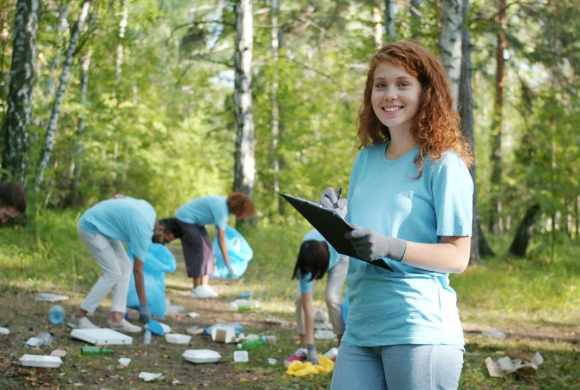
Featured Image Photo by Syahrin Seth on Unsplash
Leave a Reply