

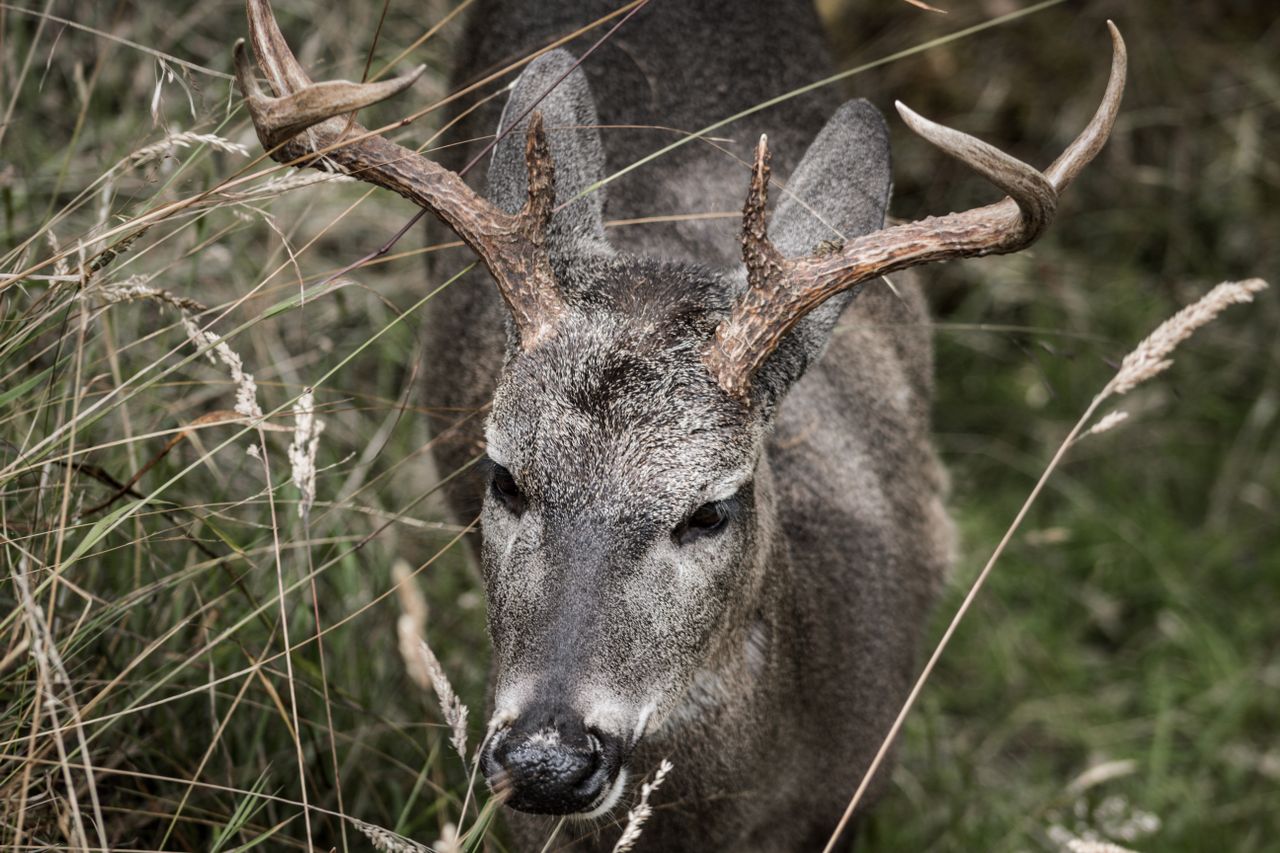
Deep in the mountains and forests of Patagonia, a rare animal is fighting to survive. The huemul deer, also called the South Andean deer, is one of the most endangered animals in South America.
This deer is very important in Chile because it is one of the country’s national symbols. Its picture even appears on Chile’s coat of arms. However, many people in Chile have never seen one in the wild.
So, why should we talk about this ‘mythical’ creature?
The Myth in Number
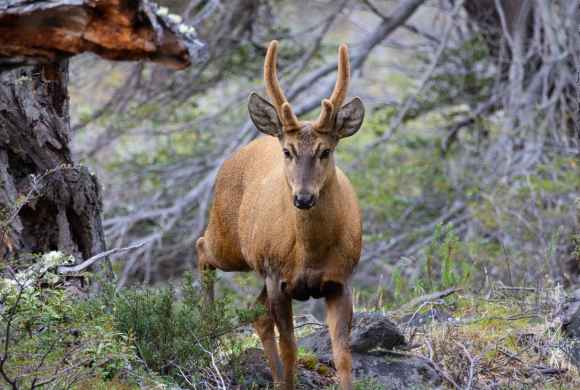
Today, there are fewer than 1,500 huemul deer left in the world. Around 70% live in Chile, while the rest live in Argentina. In the past, the huemul had a much larger habitat across the Andes Mountains.
But hunting, farming, roads, and land development pushed the species close to extinction.
Now, scientists, rangers, and conservation groups are working hard to save the animal. Their work is helping the huemul slowly return to Patagonia’s forests and mountains.
Daniel Velásquez, one of the park rangers, said, “That little one is everything for us,” when speaking about a young huemul fawn. His words show how important every single deer has become.
Patagonia National Park in Chile has become one of the most important places for huemul conservation. Many years ago, the land was not a national park. It was ranch land filled with cattle and sheep.
Fences blocked animal movement, while native plants disappeared because of farming. Wild animals like the huemul were forced to move into dangerous mountain areas just to survive.
The Return of the Huemul

When Daniel Velásquez first began working in the valley 14 years ago, there were only four female huemul and one male. The species was very close to disappearing from the area. Today, there are about 120 huemul living in the park.
In 2025 alone, 10 new fawns were born. This growth may sound small, but for such a rare animal, it is a very important success. Velásquez himself is known as the “huemul whisperer” because he has spent many years tracking and studying the deer carefully.
He understands their habits and movements. He moves slowly and quietly so the deer do not become afraid. The deer never bolt and always remain peaceful around him.
One day, while tracking a female deer named Lenga, Velásquez saw her young fawn walking beside her. He quietly told the visitors, “That little one is everything for us.” This sentence shows how every new baby deer gives hope for the future of the species.
The return of the huemul is also connected to conservation work started by Doug and Kris Tompkins. They bought old ranch lands and helped turn them into protected national parks. Their work helped restore forests, lakes, and grasslands for wildlife again.
Threats to Huemul

Even though the huemul population is growing slowly, the species still faces many dangers. One major problem is habitat loss. In the past, forests and grasslands were cleared for farming and livestock. Roads and human development also damaged the animal’s habitat.
Another danger came from a huge hydroelectric dam project called HidroAysén. In the early 2000s, the Chilean government planned to build five mega-dams in Patagonia. These dams would have flooded large valleys and damaged many natural areas. Patagonia National Park could have disappeared underwater.
Many local people, scientists, and environmental groups protested against the project. Their campaign was called “Patagonia Sin Represas,” which means “Patagonia Without Dams.” After years of protests, the project was cancelled in 2014. This decision helped protect the huemul’s habitat.
Today, huemul still face many threats. Wild dogs attack them, while cars on roads can hit them. Invasive red deer also compete with huemul for food and habitat. Climate change is another growing danger.
Velásquez explained that weather conditions are changing quickly in Patagonia. He said, “The deer venture further now than they ever have before just to drink.” Some streams that existed in the past are now gone because glaciers are melting and rainfall patterns are changing.
Climate change creates difficult conditions for the huemul. Lower mountain areas are becoming warmer and drier. This pushes the deer into higher mountain regions. Higher areas may offer new plants and grazing land, but they are also colder and more dangerous.
Unlike many other animals, huemul reproduce very slowly. A female usually has only one fawn each year. Their lifespan is around 14 years. This means population recovery takes a very long time. Every death is a serious loss for the species.
The Efforts

Despite these problems, conservation groups continue to work hard to protect the huemul. One important project is taking place in Cerro Castillo National Park in Chile. This park has a very small and fragile huemul population.
Rewilding Chile created the country’s first huemul rehabilitation center near the park. The center helps injured or displaced deer recover safely before returning to the wild. The facility is small and usually holds only a few deer at a time, but every animal is important.
The goal is to create a “corridor of huemul” across Chile and Argentina. Right now, many huemul populations are isolated from each other. Scientists hope to reconnect these populations through protected forests, valleys, and mountain areas. This would allow the deer to move safely through the Andes again.
The rehabilitation center also works with local organizations and government agencies. Together, they monitor the deer and protect important habitats. Tracking devices are used to study huemul movement and behavior.
Velásquez believes rewilding is not only about protecting nature today, but also preparing for future climate change. He explained, “We cannot stop the glaciers from melting at this rapid pace, but we can give the animals a better chance to survive what is coming next.”
Sources:
Leave a Reply