

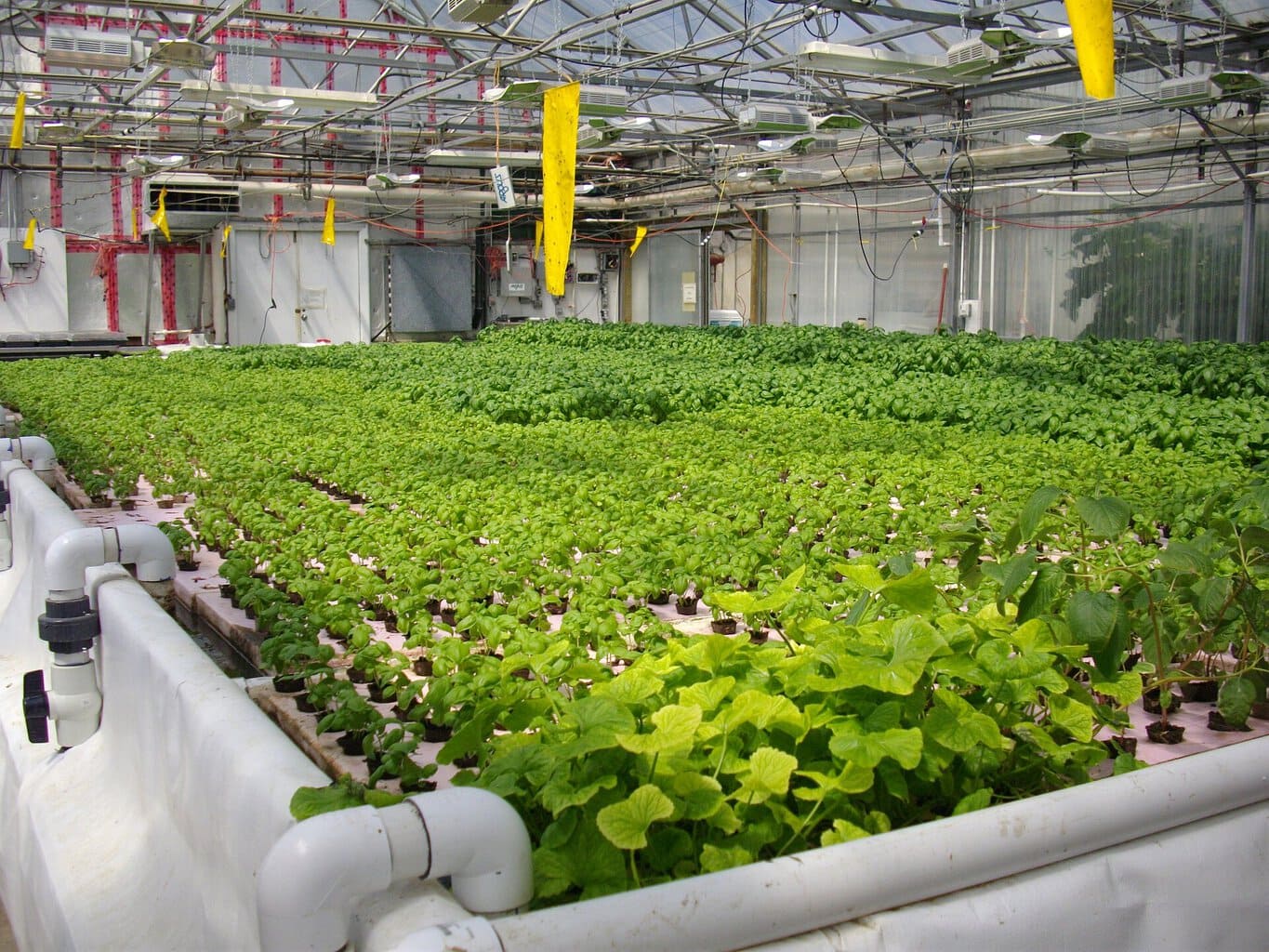
Have you ever seen plants growing without soil? It may sound strange, but this farming method is real. People call it hydroponic farming. The word “hydroponic” comes from Greek words. “Hydro” means water, and “ponos” means labour.
So hydroponics simply means “water working”. This farming method is becoming popular because it does not use soil at all. Instead, plants get their nutrients from water mixed with special solutions.
Many people believe hydroponic farming can help solve food problems in the future. However, other people think this method also has many weaknesses.
So, which one actually wins?
What Is Hydroponic Farming?
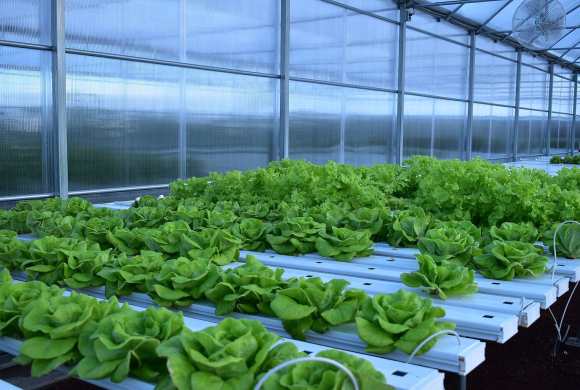
In traditional farming, plants need soil to grow. Soil gives plants water and nutrients through their roots. But in hydroponic farming, plants do not need soil. Instead, their roots get nutrients directly from a water solution. This solution reaches the roots through special tools and pipes.
There are two systems used in hydroponic farming. One is called an active system. In this system, pumps are used to move the nutrient solution to the roots, and the extra solution then goes back into a reservoir. The other is called a passive system.
This system does not use pumps. Instead, it depends on gravity or other natural methods to bring the solution to the roots. This system is simpler, but farmers must change the water often. Without pumps, algae can grow easily and make the water dirty.
Hydroponic Farming Is Good
Many people support hydroponic farming because it has several benefits. This method can produce high-quality food because it is usually done indoors, so there is less risk of pests attacking the plants. Since there is less risk of pests, farmers do not need to use pesticides.
The plants also get nutrients directly, so they grow faster and stay healthy. In addition, this method can provide fresh food for people who live in cities.
Hydroponic farming also uses less water than traditional farming because the water is reused again and again. This is very different from traditional farming, where a lot of water is lost through evaporation or poor irrigation. Because hydroponics saves water, it is very useful in places that often face drought.
This farming method can reduce pests and fungus as well. Since there is no soil, the risk of soil-borne diseases becomes lower, and since the farming is done indoors, it is harder for pests to reach the plants.
Furthermore, hydroponic farming can produce better yields because the environment is fully controlled. Plants are not affected by bad weather or changing seasons, so farmers can grow crops all year round without worrying about external problems like animals or extreme temperatures.
Hydroponic farming also saves space. In traditional farming, plant roots grow deep and wide to search for nutrients, but in hydroponics, nutrients are given directly to the roots, so the roots do not need to spread out.
This makes hydroponic farming a good option for people living in small spaces, such as apartments, or in places with difficult land conditions, like deserts or cold regions.
Moreover, hydroponic farming can save time. Traditional farming requires a lot of work, such as tilling the soil, removing weeds, and watering plants regularly, while hydroponics only needs monitoring once the system is set up. Although setting up the system takes effort and money at first, it can give good results in the long run.
The Weaknesses

Even though hydroponic farming has many advantages, it also has some serious problems. Building a hydroponic system needs many tools, such as a water treatment system, nutrient tank, lighting, air pump, and temperature controller, so the cost of setting it up can be very expensive, especially for a large farming system.
Hydroponic farming also depends heavily on electricity because pumps, lights, and other tools need a constant power supply to work properly. If there is a power outage, the whole system can fail, and this could harm or kill the plants.
Although some farms now use solar power to reduce this problem, the cost of maintaining a stable power supply is still a challenge for many farmers.
In addition, hydroponic farming requires high-level maintenance and monitoring. Farmers must check the system regularly to make sure pumps, lighting, and temperature are working correctly, because if they do not pay close attention, the system might fail and affect the health of the plants.
Hydroponic farming can also be at risk of waterborne diseases. Even though it reduces soil-borne diseases, the water used in the system is shared among many plants, so if one plant becomes infected, the disease can easily spread to the rest through the water.
Besides that, hydroponic farming requires special knowledge and skills, since farmers need to understand how to operate the equipment correctly. Without proper expertise, plants might not grow well, and this can cause a big loss for the farmer.
There is also a debate about whether hydroponic products can be called “organic”. Since hydroponic farming does not use soil, some organic farmers disagree that hydroponic plants should get an organic label. However, some authorities still allow hydroponic products to be certified organic as long as they do not use chemical fertilizers, GMOs, or sewage.
Finding A Balance
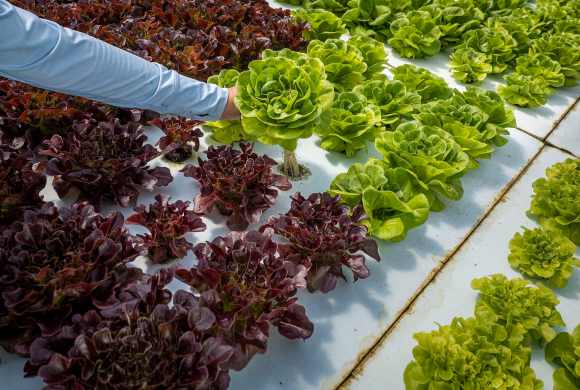
USDA/FPAC Photo by Preston Keres
Looking at both sides, hydroponic farming clearly has many strengths. It can save water, reduce pesticide use, and provide fresh food even in cities or areas with difficult land conditions, so it becomes a promising solution for future food problems, especially as climate change continues to affect traditional farming.
However, hydroponic farming also has real challenges. The high cost, the need for constant electricity, and the requirement for special skills make it difficult for everyone to use this method easily.
Therefore, a good solution might be to combine hydroponic farming with proper planning and support.
It might be a good idea to provide the needed support for those who want to try hydroponic farming, so that with the right knowledge and the use of renewable energy, more people could enjoy the benefits of this method while reducing its weaknesses.
Sources:
Leave a Reply