

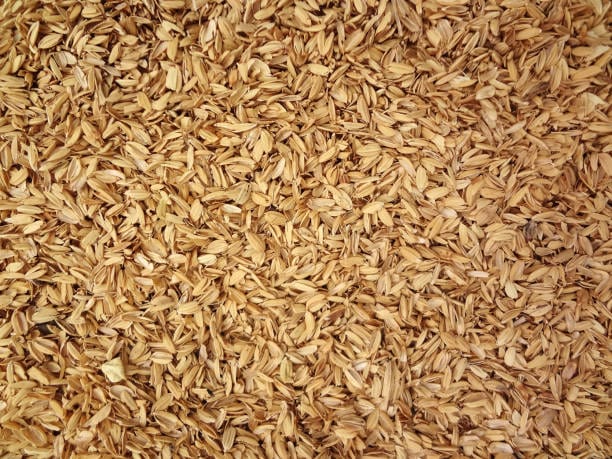
You ever toss out rice husks without a second thought? Most people do. It’s just the leftover shell from milling rice, dumped, burned, or forgotten.
But here’s a wild thought: what if that “trash” could actually clean up polluted water and cut down on greenhouse gases at the same time?
Turns out scientists are already proving it can. Researchers at Florida International University found a way to turn discarded rice husks into a sponge-like filter that soaks up toxic industrial dyes from water.
And that’s just one piece of a much bigger picture, since rice husk is quietly becoming one of the most promising waste-to-resource materials out there.
From cleaning waterways to replacing cement, this once-forgotten byproduct is proving it deserves a seat at the sustainability table.
Let’s break down why this humble byproduct deserves way more credit than it gets.
Water-Cleaning Superhero
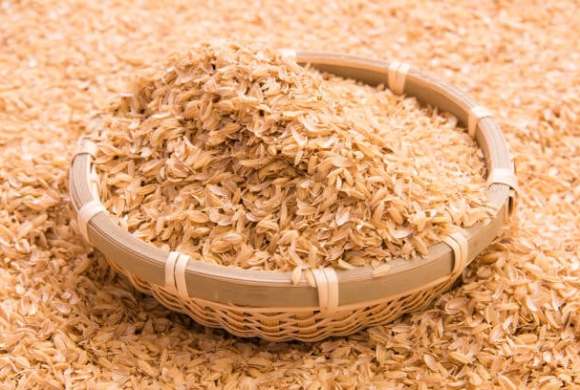
Picture rice husk as the sidekick nobody noticed until it suddenly saved the day. That’s basically what happened here.
The world produces over 540 million tons of rice every year, and along with it comes around 136 million tons of discarded husk.
Instead of letting it rot or go up in smoke, researchers heated the husks in a low-oxygen environment to convert them into biochar.
This porous, sponge-like material has a massive surface area that can trap contaminants like a net catching fish.
But they didn’t stop there. The team combined the biochar with layered double hydroxides, clay-like minerals that act as an extra layer of stickiness for pollutants to cling to.
In lab tests, this combo successfully captured brilliant green and malachite green dyes, two common industrial dyes used in textile, leather, and paper production that are known to be toxic and even carcinogenic.
And here’s the kicker, the filter can be reused at least five times without losing its effectiveness. That’s not a one-and-done gimmick, that’s a legit long-term solution.
This matters more than it might seem at first glance. Textile factories, leather tanneries, and paper mills release dyes into rivers and lakes every single day, and those dyes don’t just disappear on their own.
They block sunlight from reaching aquatic plants, throw off entire ecosystems, and can even seep into drinking water sources nearby.
A cheap, reusable filter made from something that used to be considered garbage could genuinely change how smaller manufacturers handle their wastewater, especially in places where expensive filtration systems just aren’t realistic.
Researchers now want to test it against heavy metals and other real-world contaminants, so this might just be the beginning of rice husk’s water-cleaning career.
Quietly Fighting Climate Change
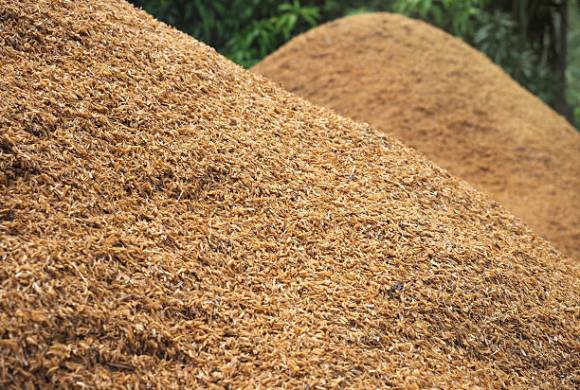
Rice husk isn’t just good at soaking up dye, it’s also stepping up as a climate ally.
Globally, rice production generates over 700 million tons of husk every year, and countries like Vietnam, Thailand, and Indonesia alone produce more than 100 million tons combined.
That’s a lot of waste sitting around with nowhere to go, so why not put it to work.
Research shows that using rice husk in construction and manufacturing can lower greenhouse gas emissions by up to 30%.
When mixed into concrete, rice husk ash can replace part of the cement used, and cement production is famously one of the dirtiest industries out there.
Think of it like swapping out a gas guzzling engine for a hybrid, same job, way less damage.
Rice husk can also be burned efficiently as an energy source to replace fossil fuels, and studies suggest the lifecycle emissions from rice husk energy systems can run as much as 60% lower than conventional fuel.
So instead of adding to the carbon problem, this leftover husk could actually help pull us out of it.
What’s especially interesting is how accessible this solution is. Unlike a lot of green technology that requires expensive equipment or rare materials, rice husk is already sitting in massive piles near rice mills all over Asia.
The infrastructure to collect it already exists, since farmers and millers are producing it as a byproduct anyway.
That makes scaling up rice husk based solutions a whole lot easier than starting from scratch with something brand new.
Across Multiple Industries
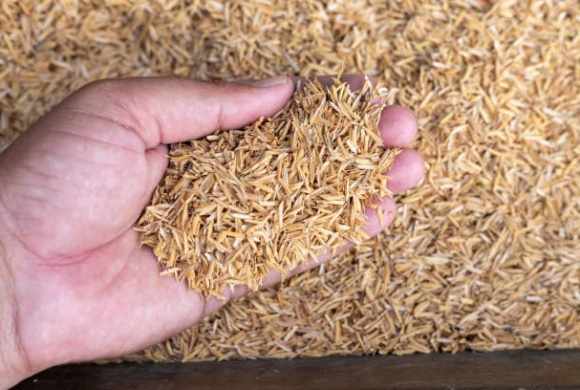
Rice husk used to have one job: get discarded. Now it’s out here working overtime across construction, agriculture, and even home decor.
Kind of like that one friend who unexpectedly becomes good at everything once given the chance.
In construction, rice husk gets turned into lightweight, durable composite materials that can outperform traditional building materials while shrinking a project’s environmental footprint.
In agriculture, it doubles as an organic soil amendment that improves aeration, retains moisture, and helps crops grow stronger, all while cutting down farmers’ reliance on chemical fertilizers and pesticides.
That’s a double win for both your wallet and the planet.
And it doesn’t stop there. Rice husk is now showing up in bio-composites and eco-friendly packaging, offering an alternative to the plastic problem that keeps piling up worldwide.
Brands like Bulbul have even built entire homeware collections around rice husk, proving it can be durable, biodegradable, and genuinely stylish all at once.
So no, rice husk isn’t just functional, it’s fashionable too.
“Waste” Is Just a Perspective
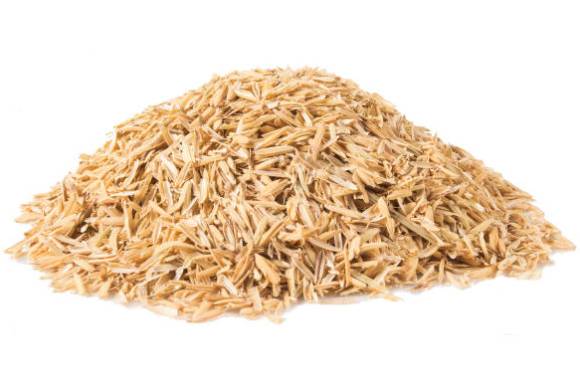
Here’s the real lesson buried in all this. Rice husk was never actually garbage, we just treated it that way because we didn’t know any better.
Once you shift how you look at something, its whole purpose can change.
Repurposing rice husk instead of burning or dumping it helps create a closed loop system, where resources get reused instead of wasted, and communities move a little closer to a genuinely sustainable economy.
It’s the same idea behind recycling, except way less people are talking about it, at least for now.
And honestly, that says a lot about how many other “waste” products out there might be hiding similar potential, just waiting for someone curious enough to look twice.
So next time you spot rice husk being tossed aside, remember it might soon be the thing filtering your water, cutting emissions from your local factory, or even sitting stylishly on your kitchen shelf.
What once was consider trash is quickly becoming one of the most exciting green materials of the decade.
And honestly, that’s a pretty good reminder that sustainability doesn’t always come from some fancy new invention.
Sometimes it’s already sitting right there, discarded and overlooked, just waiting for someone to notice its potential.
Sources:
Leave a Reply