


After a forest is thinned, the work doesn’t exactly end when the chainsaws stop. You are left with piles of branches, small trunks, and other bits of wood that aren’t valuable enough to sell.
So what do you do with all of it? For decades, the easy answer has often been to burn it. But researchers now have a surprisingly different idea: bury it instead.
A new study published in Science Advances suggests that burying logging debris could help solve two problems at once.
It could make forests less crowded and easier to protect from wildfires, while also keeping much of the carbon in that leftover wood out of the atmosphere.
And if carbon credits are included in the calculation, the strange-looking idea could even make money.
Too Much Fuel

Many forests in the western United States have become dangerously crowded. Trees and other vegetation have grown densely because of past logging, decades of suppressing wildfires, and the loss of traditional Indigenous burning practices.
Now add a major drought to the mix. You get forests filled with dry material that can act like a giant box of matches. Thinning can help, but it creates a new headache.
When companies remove smaller trees and other vegetation, they are left with huge piles of branches, trunks, and other woody material. Much of it isn’t valuable enough to transport and sell, so burning it becomes the cheaper and easier option.
The problem is that burning releases the carbon stored inside the wood back into the atmosphere. Letting the material simply rot has a similar problem, because the carbon eventually returns to the air.
Sinéad Crotty, an ecologist and manager at the Carbon Containment Lab, and her research team wanted to know whether there was a better way to handle this waste.
Their basic idea is almost like putting nature’s carbon savings account somewhere nobody can easily access it. Bury the wood instead of burning it.
Trees pull carbon dioxide from the atmosphere while they grow and store that carbon in their wood. If the wood is burned, much of that carbon is released.
If it is buried and protected from air and decay, much more of it can remain underground. The researchers compared several options, including burning, letting the material rot, making biochar, burning it for energy while capturing emissions, and placing the wood in specially designed landfills.
The results made burial look surprisingly competitive.
Burying Wood Underground

The numbers are where this idea gets interesting. The researchers estimated how much carbon would remain stored after 100 years under different methods.
Burning the leftover wood kept only about 4.5% of its carbon underground. Letting it rot wasn’t much better. Biochar did considerably better.
Turning the wood into a charcoal-like material could keep about 44% of the carbon stored. But burying the material in a specially designed landfill could retain around 78%.
That was close to the estimated 81% from burning the material for energy while capturing the carbon from the smokestack.
The big difference is that large-scale carbon capture systems are still uncommon, while burying wood could potentially be done sooner. Think of it as choosing between several ways to store something valuable.
One option leaves most of it lying around in the rain. Another locks almost everything inside a safe. The researchers are saying the second option deserves more attention.
The financial side makes the idea even more interesting. Burning the debris was estimated to lose about $49 for every ton of carbon dioxide because of costs such as labor and planning.
If carbon credits were worth $100 per metric ton, the researchers estimated that burial could earn about $21 per ton.
Bioenergy could earn around $12, while biochar could roughly break even if the remaining material was sold. That difference becomes huge when you look at millions of acres.
The federal government has proposed treating about 3.5 million acres of forest this year. According to the study’s calculations, burning all the leftover material could cost about $3.1 billion.
Burial, on the other hand, could store roughly 60 million tons of carbon dioxide and potentially generate around $2 billion. Suddenly, that pile of unwanted branches doesn’t look quite so worthless.
Some Are Testing the Idea

This isn’t just a thought experiment sitting inside a research paper. A few companies are already trying to turn woody waste into long-term carbon storage.
Graphyte, for example, is turning wood into solid blocks. The blocks are enclosed in plastic and buried underground, with plans for a facility in Arizona that would use wood from forest-thinning projects.
Colorado-based Woodcache is also experimenting with burying forest debris on a smaller scale. Mast Reforestation is taking another approach by burying dead trees left behind after wildfires.
The basic goal is the same. Instead of seeing leftover wood as something that needs to disappear, these companies see it as material that can hold carbon for a long time.
The approach could also help pay for forest restoration. Forest thinning can be expensive. If the removed material has little market value, communities and land managers have fewer ways to cover those costs.
Selling carbon credits could change that calculation. The wood gets removed to reduce wildfire risk, then the carbon stored inside it becomes part of the financial equation.
It sounds a little like finding money inside the recycling bin. But there is still a lot to figure out.
Researchers aren’t saying every pile of forest debris should immediately be buried. Where you put it matters just as much as what you put underground.
Burying Isn’t Magic Fix
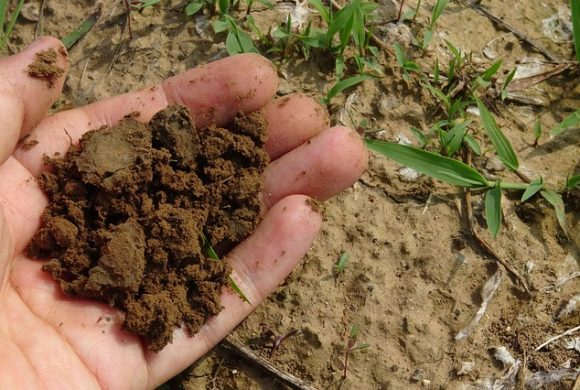
The biggest warning from the researchers is simple: burial doesn’t work everywhere. Soil, rainfall, transportation distance, and local conditions can all affect whether burying wood actually stores more carbon than other methods.
In some places, creating a burial site could cause more environmental damage than expected. Leah Clayton, the study’s lead author and an incoming Stanford University Ph.D. student, warned that digging in the wrong soil could release more carbon than the buried wood would ever store.
That means location is everything. Researchers looked at factors such as rainfall and the distance between forest-thinning sites and possible burial or processing facilities.
In wetter areas, wood may need to be buried deeper to prevent decay and carbon emissions. So this isn’t simply a case of digging a giant hole and throwing branches inside.
The researchers also make it clear that no single solution can handle the wildfire and climate problems by itself.
Burial might work well in some locations, while biochar, energy production, or other approaches may make more sense somewhere else. The bigger idea is to stop treating forest debris as useless waste.
Sources:
Leave a Reply