

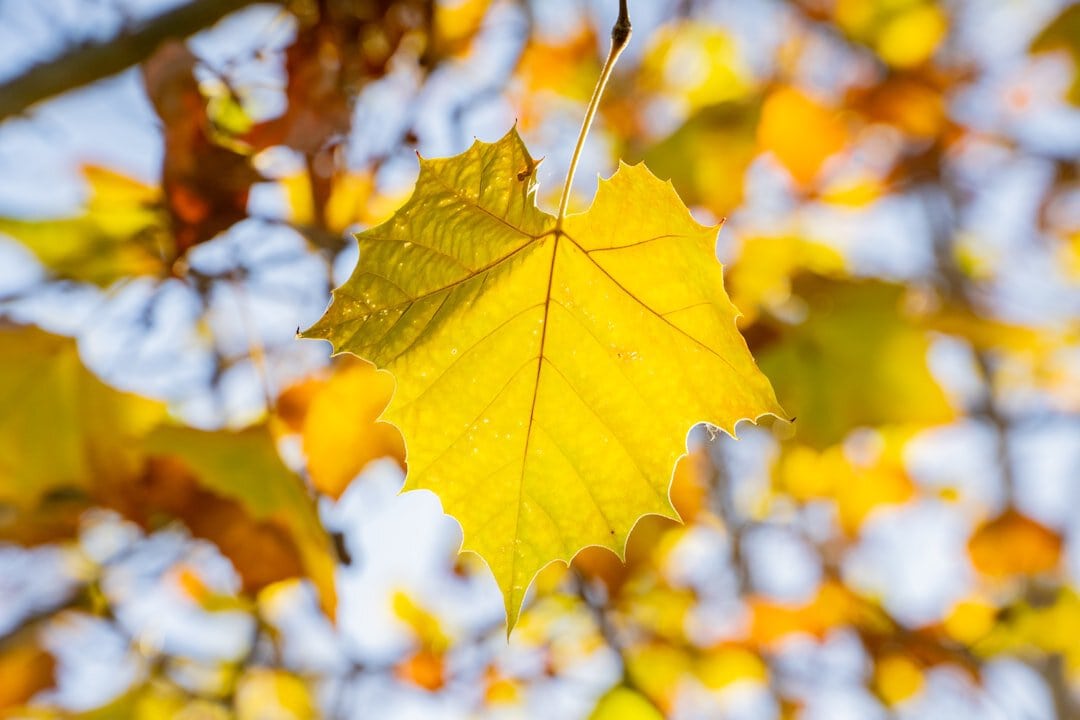
The American sycamore was one of the most recognizable trees in the eastern United States, known for its patchy bark, wide canopy, and the small, round seed balls that hung from its branches through the colder months.
For anyone interested in growing one from seed, the process was more involved than simply picking a ball off the ground and pushing it into soil.
Collecting, preparing, and planting sycamore seeds followed a specific sequence of steps, and the timing of each one made a significant difference in whether the seeds grew into healthy seedlings.
So, what if we talk about this in this article?
The Life of Sycamore

The American sycamore flowered in spring and spent the warmer months developing its seeds inside the familiar round fruiting heads. By early September, the seeds had begun to ripen, and maturation continued through November.
The seed heads, however, did not immediately release their seeds after ripening. They stayed attached to the branches through winter and held onto most of their seeds until January through April, when the heads gradually broke apart and the hairy-tufted seeds dispersed on the wind.
This persistent behavior was useful for anyone hoping to collect seeds. Because the heads stayed on the tree long after the leaves had fallen, collectors could identify and reach them easily through autumn and into early spring.
The best moment to collect was just before the heads naturally started breaking apart, when they had turned brown and were dry to the touch. At that stage, the seeds inside were mature but had not yet been lost to the wind.
The California sycamore followed a different schedule, maturing its seeds earlier in the season, which meant collection had to happen during autumn rather than at the slower pace possible with eastern trees.
Trying to Plant a Sycamore
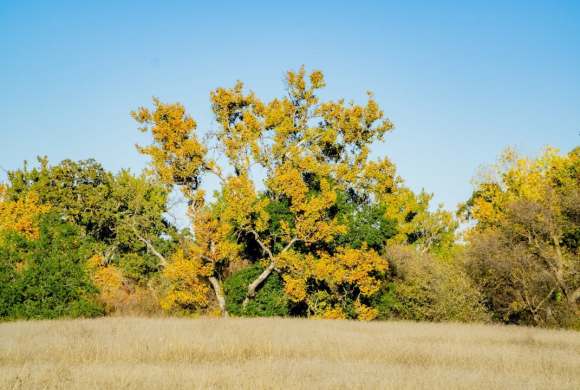
Once the seed heads had been collected, the next phase required patience and careful drying before any seeds could be extracted.
After picking, the heads were spread in single layers on well-ventilated trays and left to dry thoroughly.
This step was necessary even when the heads felt dry on the outside, because seeds collected early in the season could carry internal moisture content as high as 70%.
Piling them together or storing them without airflow at this stage risked mold and seed damage. Drying took time but protected the quality of everything collected.
When the heads had dried completely, the seeds were extracted by crushing the dried balls and separating the individual achenes from the dust and fine hairs surrounding them.
For small quantities, rubbing the dried heads through hardware cloth with openings of two to four wires per centimeter worked well and could be done by hand. For larger batches, wearing a dust mask was important, because the fine hairs released during the process were small enough to enter the lungs and cause respiratory irritation.
After extraction, the cleaned seeds were ready for storage or immediate use. If storage was needed, sycamore seeds held up well under cold and dry conditions.
At moisture levels of 5 to 10% and temperatures between 32 and 45 degrees Fahrenheit, seeds remained viable for up to five years. Storing them in sealed, moisture-proof containers such as polyethylene bags preserved those low moisture levels during the storage period.
What Are The Requirements?

Not all sycamore species started germinating at the same speed or under the same conditions, and understanding these differences helped set realistic expectations.
American sycamore and the naturalized London plane tree had no dormancy period, meaning they did not require any special pre-treatment before planting. Seeds could move directly from storage into soil and germinate without additional preparation.
California sycamore behaved differently. Its germination rates improved significantly when the seeds went through a process called moist stratification, where they were stored for 60 to 90 days at around 40 degrees Fahrenheit in a moist medium such as sand, peat, or sandy loam.
This period of cool, moist storage mimicked the conditions the seeds would experience naturally through winter in their native range and prepared them for germination when warmth returned.
Germination rates could be tested before planting by placing seeds on wet paper or in shallow dishes of water at a temperature of around 80 degrees Fahrenheit for 14 days. This gave a reliable indication of how many seeds in a batch were likely to sprout, which helped in deciding how many to plant.
Be Natural

Planting itself followed the logic of the sycamore’s natural cycle. In the wild, sycamore seeds fell in spring and germinated in spring, so planting followed the same rhythm.
Seeds were placed in soil no deeper than one-eighth of an inch, spaced about six to eight inches apart to give each seedling room to develop. Small, shallow starter trays filled with potting soil worked well for this stage.
The trays needed to stay consistently moist and sit under indirect light rather than direct sun, which could dry the surface too quickly and stress the emerging seedlings.
Germination typically began within about 15 days under good conditions. Within less than two months, seedlings reached roughly four inches in height and were ready to be carefully transplanted from the trays into small individual pots. The transition required gentle handling because the young roots were fragile and easily damaged at this stage.
From that point, the seedlings continued to grow in pots for a year or more before being considered ready for the landscape.
Commercial tree nurseries in the United States typically planted sycamore seedlings outdoors one year after germination, moving them as bare-root seedlings. Potted trees could stay in containers for several years before needing to be moved to a larger pot or planted permanently in the ground.
The full process, from picking a seed ball off a branch in autumn to planting a young tree the following year, took careful timing at each stage. But each step followed naturally from the one before it, and each reflected something about how the sycamore had evolved to spread its seeds across the landscape over millions of years.
Sources:
Leave a Reply