

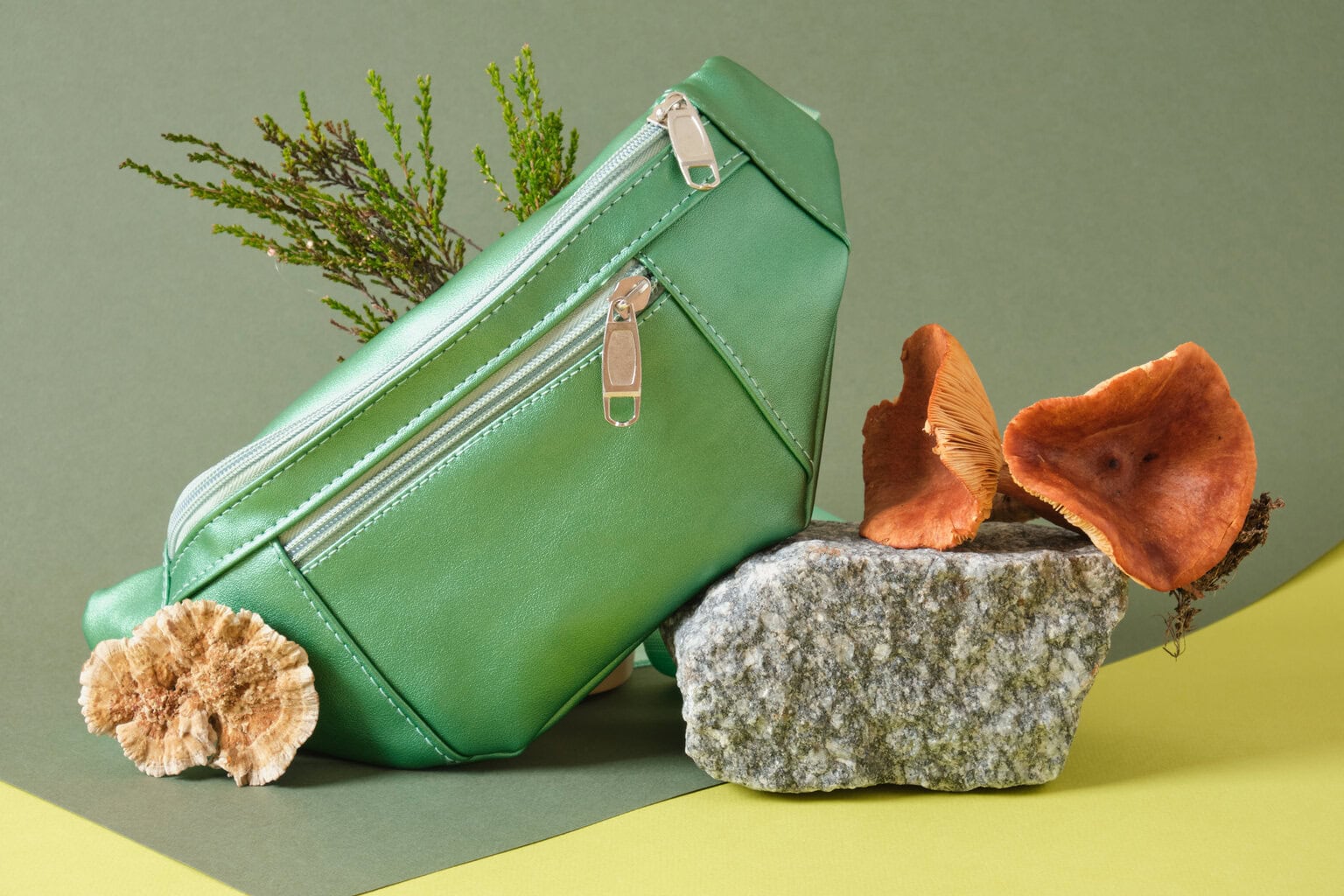
Ever picked up a leather jacket and wondered what it actually took to make it? Turns out, scientists in Finland just found a way to make something that looks and feels like leather, without a single cow involved.
Instead, the secret ingredient is fungus, and researchers finally figured out how to produce it at a scale big enough to actually matter.
This isn’t some small lab curiosity either, it’s a genuine step toward changing how an entire industry sources its materials, and it might be closer to your closet than you’d expect.
It Might Replace Cows And Plastic
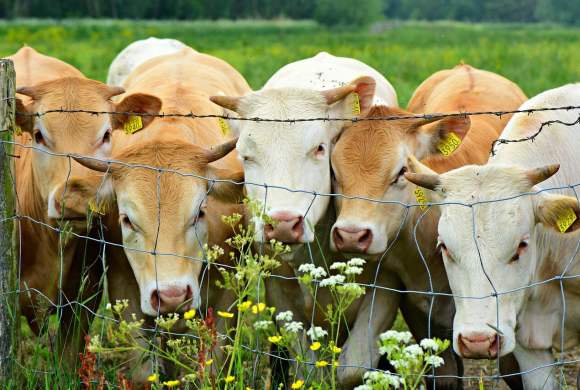
For thousands of years, humans have relied on animal hides for clothing and tools. Eventually, synthetic leather came along as a more ethical option, but there’s a catch. Those materials are made from fossil fuel based plastics, meaning they create carbon emissions and stick around in landfills for decades after you toss them.
That’s where mycelium comes in. Mycelium is the soft, white, root-like structure that fungi grow underground, and it’s been catching attention from researchers and startups looking for a genuinely sustainable leather alternative.
It grows in as little as two weeks, needs very little water or energy, and fully biodegrades once its job is done. Unlike raising livestock, which demands huge amounts of land, feed, and water, growing fungus takes up barely any space at all, making it a far gentler option for an already strained planet.
Once harvested and processed into sheets, mycelium actually looks and behaves a lot like real leather. It’s soft, flexible, and can be dyed or textured just like animal hide. Scientists have even started exploring it for building materials and electronics, so leather is really just one more use for this surprisingly versatile fungus.
Making It At Scale

Here’s where things usually fall apart though. Mycelium leather sounds great on paper, but it’s historically been a nightmare to manufacture consistently.
According to Géza Szilvay, an industrial biotechnologist and food scientist at VTT Finland who led this research, most existing methods grow mycelium directly into sheets, relying entirely on its natural growth process from the ground up.
The problem is that natural growth doesn’t always cooperate. The resulting material often ends up inconsistent in thickness, and noticeably more fragile compared to real animal hide.
Basically, it worked in small batches, but scaling it up into something factories could actually produce reliably was a whole different challenge entirely. Small artisan workshops could manage a few sheets at a time, but nobody had figured out how to turn that slow, delicate process into something resembling an actual assembly line.
That’s exactly the gap Szilvay and his team set out to close. Instead of growing mycelium straight into finished sheets, they tried something a little different, a process built more like an actual manufacturing line than a farm.
Scaling Problem

The team started by growing mycelium inside a nutrient-rich liquid inside a bioreactor, which created a kind of wet, pulpy mass. From there, they washed the pulp and mixed it with sorbitol and cellulose. Sorbitol keeps the material soft and prevents it from becoming brittle, while cellulose adds strength and durability to the mix.
Once that mixture was ready, they spread it into thin, flexible sheets and dried them, similar to how you’d flatten dough before baking it. Using a roll-to-roll manufacturing process, the team managed to produce a full meter of this fungal material every single minute, a huge leap toward actual mass production.
That single detail matters more than it sounds, since most earlier mycelium methods could barely produce enough material for a small wallet, let alone anything close to a full production run.
Szilvay explained that this approach gives researchers way more flexibility in tweaking the formula, meaning they can adjust the fabric’s properties depending on what it’s being used for. With the right formulation, some batches even reached mechanical properties similar to real animal leather. Pretty impressive for something that started out as mushroom soup in a lab tank.
That said, it’s not perfect just yet. The material still needs more development before it can match real leather’s tear strength and resistance to wear and abrasion. Think of it like an early prototype car engine, fast and promising, but still needing some fine tuning before it’s road ready.
The Future Of Fashion
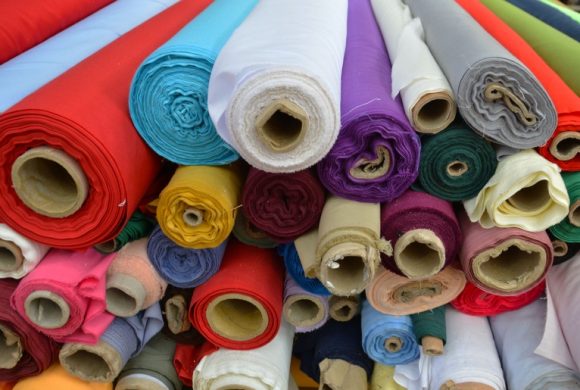
So why does any of this actually matter beyond a cool lab experiment? Szilvay believes this process could become a genuinely viable alternative to synthetic, fossil fuel based leather, offering a plastic-free option that doesn’t rely on livestock or chemically heavy manufacturing at all.
He also points out that this research shows something bigger happening in the world of materials science. Biotechnology is expanding well beyond basic chemical building blocks, bioplastics, and proteins, moving instead toward entirely new categories of materials that barely existed a decade ago.
Fashion brands already chasing more sustainable supply chains could find this kind of innovation especially appealing, since it checks the boxes of being cruelty free, biodegradable, and scalable all at once.
It’s honestly kind of wild to think your next jacket, bag, or pair of shoes could one day come from something grown in a bioreactor rather than raised on a farm or refined from crude oil. No animals harmed, no microplastics shedding for centuries, just fungus doing what fungus does best.
Of course, it will take more research and testing before mushroom leather shows up on store shelves everywhere. But given how far this project has come already, growing your next wardrobe rather than manufacturing it doesn’t sound quite so far fetched anymore, and honestly, that’s kind of exciting to imagine.
Sources,
Leave a Reply