


Many people dream about having a small farm. Some want fresh vegetables from their own garden.
Others want to raise chickens, goats, or cows. A small farm can also become a way to earn money or live a quieter life away from busy cities.
But when people finally decide to start farming, they often feel confused. There are many things to prepare, and it is hard to know where to begin.
Still want to start a small farm? Let’s find out what we need to prepare.
Starting Low
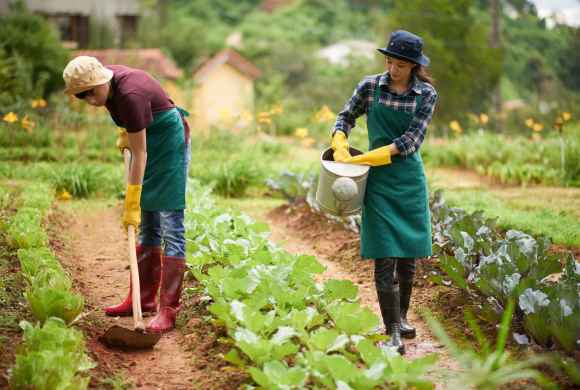
Starting a farm is not only about buying land or animals. Farming needs time, patience, and daily work. Animals must be fed every day. Plants need water and care. Weather can also change plans very quickly. Because of this, new farmers should begin slowly and carefully.
Lauren Arcuri, an expert in homesteading, explains that many people spend years thinking about farming before they truly begin.
She says, “The choices can seem overwhelming.” This is very true for beginners. However, with good planning and clear goals, starting a small farm can become easier and less stressful.
Before buying animals or planting crops, it is important to understand what kind of farm you want and what your land can support.
Thinking About Your Goals and Your Land
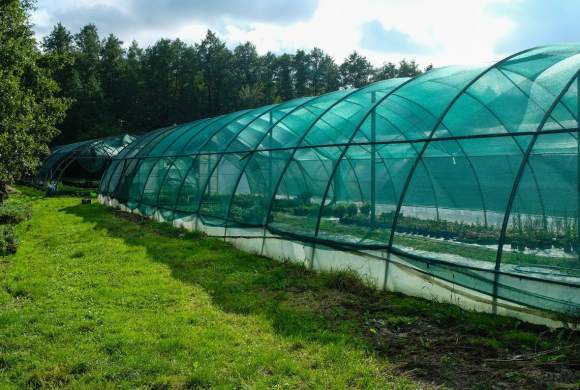
The first step in starting a small farm is asking yourself an honest question: is farming really the right life for you? Farming can be rewarding, but it is also tiring. Farmers often wake up early and work in hot, cold, or rainy weather.
There are no weekends for many animal farmers because animals need care every single day. After thinking about this, the next step is deciding your goals. Some people only want a hobby farm.
They may grow vegetables or keep a few chickens while still working another job. Other people hope the farm can become a business in the future. Some families also want to produce most of their own food and become more independent.
Your goals will affect every part of the farm. A person who wants fresh eggs may only need a small chicken coop. Someone who wants to sell milk may need dairy goats or cows and much more land.
At this stage, it is good to dream a little. Think about the animals and crops you like most. Maybe you want goats because they are friendly and useful. Maybe you want fruit trees, corn, or tomatoes. Write down everything you imagine for your future farm, even if it feels impossible right now.
Then look carefully at your land and resources. Some land is good for vegetables, while other areas are better for grazing animals. Water is also important. A farm without enough water will struggle during dry seasons.
This is also the time to think about money and equipment. Fences, animal shelters, seeds, and tools can cost a lot. Because of this, many successful farmers begin with only a few projects in their first year.
Choosing Animals and Crops Carefully
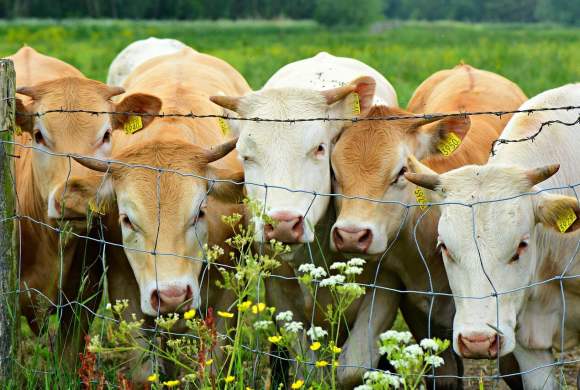
After understanding your goals and land, you can begin choosing animals and crops. This part is exciting because it makes the farm feel real for the first time. Different animals need different kinds of care.
Chickens are popular for beginners because they need less space and can provide eggs quickly. Goats are useful for milk and land clearing, but they are famous for escaping fences. Cows need large grazing areas and more money for feeding and healthcare.
Plants are also important to choose carefully. Some vegetables grow easily in many places, while others need special weather or soil.
Beginners often start with simple crops such as lettuce, tomatoes, beans, or potatoes. Fruit trees can also be a good long-term investment, but they take years before producing fruit.
It is important not to do too much too quickly. Many new farmers become excited and buy many animals at once. Later, they discover that feeding and caring for them takes more time and money than expected.
Farming plans should connect dreams with reality. This means checking if your land, time, and budget truly match your ideas. For example, five cows may sound wonderful, but they need strong fences, large pastures, and expensive feed during winter.
Reading books and talking to local farmers can help beginners avoid mistakes. Experienced farmers often understand local weather, soil conditions, and animal problems better than anyone else. Their advice can save new farmers both time and money.
Small farms also change over time. A farmer may start with chickens and later add goats or bees. The important thing is building the farm step by step instead of rushing.
Learning and Improving Year After Year
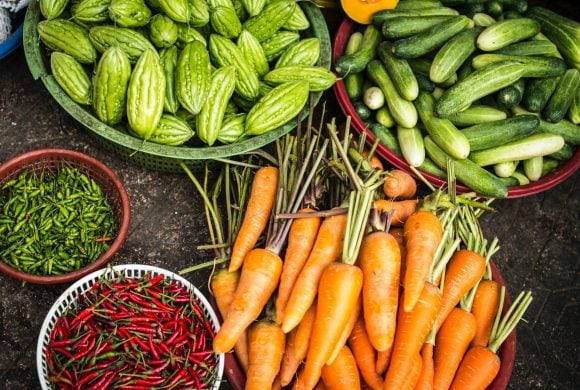
One important truth about farming is that plans rarely stay the same forever. Weather changes, prices change, and people also change their goals. Because of this, farming is a process of constant learning.
A crop that grows well one year may fail the next year because of heavy rain or insects. An animal breed that looked perfect on paper may not fit your lifestyle. These experiences are normal for farmers everywhere.
At the end of every growing season, it helps to sit down and review what worked and what failed. Maybe the garden was too large to manage alone. Maybe the chickens produced more eggs than expected. These lessons help farmers make smarter choices in the future.
Patience is very important in farming. Crops need time to grow, and healthy soil also takes years to improve. Animals need regular care before they become productive. Success usually comes slowly, not suddenly.
Still, many people find farming deeply satisfying. Watching vegetables grow, collecting fresh eggs, or caring for animals can bring a strong feeling of purpose. Small farms also help families become closer to nature and understand where food truly comes from.
Starting a small farm may feel difficult at first, but every successful farmer once began as a beginner. With careful planning, realistic goals, and a willingness to learn, a simple dream can slowly grow into a real and successful farm life.
Sources:
Leave a Reply