

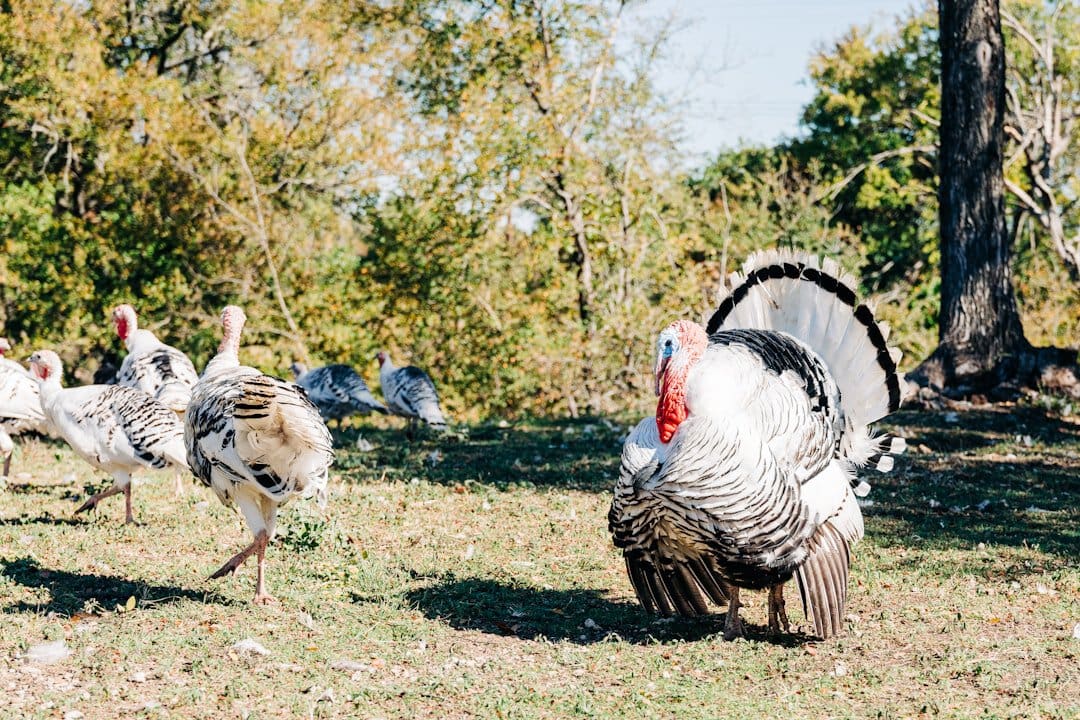
Turkey, the animal not the country, is one of the most potential farm animals to raise. Not only because they can produce a lot of benefits, but also because turkeys are easy to raise traditionally.
But that’s the keyword. Traditional. Turkeys seem to be easier to raise traditionally rather than in modern designed farm. But it doesn’t mean that they are unable to be raised in more planned farms.
Here is how we can raise turkey as good as when we raise them traditionally.
The Behavior
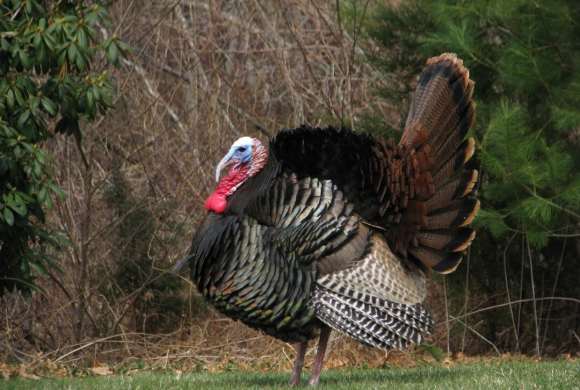
Raising turkeys requires more planning than many beginners expect. Although they are often grouped together with chickens, turkeys have very different habits, behaviors, and housing needs.
They are larger, stronger, and more active birds that require extra space and better protection from predators.
Turkeys also prefer spending most of their time outdoors, grazing on pasture and exploring open ground. Because of this, successful turkey farming depends heavily on providing the right combination of shelter, fencing, fresh pasture, and safe roosting areas.
A well-designed turkey setup does more than simply keep birds contained. Proper housing helps prevent disease, reduces stress, protects birds from weather extremes, and improves overall growth.
Good fencing is equally important because turkeys are surprisingly capable flyers and are vulnerable to predators such as foxes, raccoons, and weasels.
Farmers who understand these needs early can create healthier environments that support both meat production and breeding programs.
Different Housing Than Chickens

One of the biggest mistakes new poultry keepers make is assuming turkeys can be managed exactly like chickens. While the two birds share some similarities, turkeys are far more demanding when it comes to space and outdoor access.
Adult turkeys are naturally hardy birds that tolerate a wide range of weather conditions. Once they reach around eight weeks of age, they generally prefer staying outdoors most of the time.
Before this stage, however, young poults require a warm brooder area for protection because they are highly sensitive to cold temperatures and damp conditions during early development.
As turkeys mature, their need for movement increases significantly. Crowded housing can lead to stress, fighting, feather damage, and disease problems. Experts often recommend providing as much as 75 feet by 75 feet of outdoor space for a small flock of around 12 turkeys.
Open pasture is especially valuable because turkeys naturally forage for grass, seeds, insects, and small plants throughout the day. Unlike chickens, turkeys also prefer elevated roosting areas at night. In the wild, turkeys sleep in trees to stay safe from predators.
Domestic turkeys still maintain this instinct, so raised roosts are an important part of their housing system. Without suitable perches, birds may become stressed or vulnerable during nighttime hours.
Turkeys also enjoy dust bathing, a behavior that helps them clean feathers and control parasites naturally. Dry soil areas within the enclosure allow birds to roll and cover themselves with dust, helping maintain healthy feathers and skin.
All of these behaviors show that turkeys need environments that support natural movement and outdoor activity rather than simple confinement.
Safe and Practical Roosting
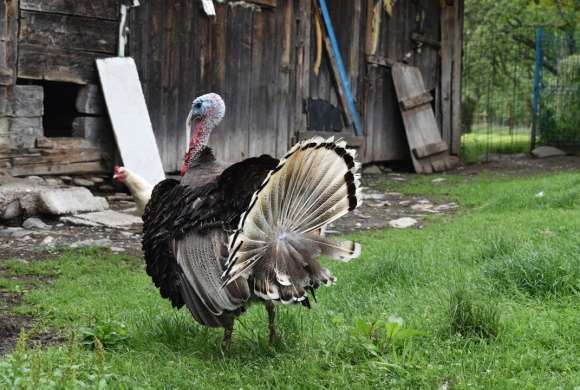
A good turkey shelter does not need to be extremely complicated, but it must provide safety, ventilation, and protection from harsh weather. One of the most important features is the roosting area where birds sleep overnight.
Many farmers build simple movable roost structures using lightweight wood placed on skids or wheels. Portable shelters allow farmers to move the roost regularly across pasture areas, preventing manure buildup in one location. This also helps reduce mud, odor, and parasite problems over time.
Roosting bars should generally sit about 15 to 30 inches above the ground. If they are placed too high, larger birds may injure themselves while jumping down. Some farmers install angled ramps or ladder-style supports to help turkeys reach higher perches more safely.
Roofing is another important feature. Lightweight metal or fiberglass roofing panels help protect birds from rain, wind, and excessive sun exposure while still allowing good airflow. Ventilation is extremely important because poorly ventilated poultry shelters can trap moisture and increase the risk of respiratory illness.
Predator protection must also be considered carefully. Even large turkeys can fall victim to nighttime attacks if shelters are not secure. Farmers often reinforce shelters with sturdy framing and ensure all openings can be closed safely after dark.
The design may vary depending on climate and flock size, but the goal remains the same: creating a dry, secure, and comfortable resting area that supports the birds’ natural instincts while minimizing health risks.
Turkeys Are Not Criminals
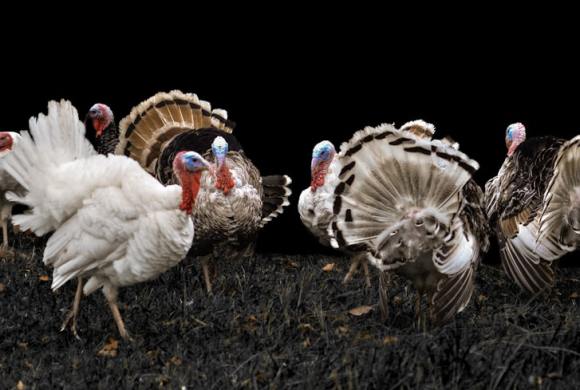
Fencing is one of the most critical parts of turkey management because these birds are both curious and surprisingly mobile. Many people assume turkeys are too heavy to fly, but most domestic turkeys can still lift themselves over short fences if startled or disturbed.
For this reason, turkey fencing should generally stand at least four feet high, though taller fencing is often better. Some farmers clip wing feathers to reduce flying ability, but secure fencing remains the safest long-term solution.
There are several fencing options depending on the farming system. Temporary electric poultry netting works well for rotational grazing systems where birds are moved regularly across fresh pasture.
Permanent enclosures may use woven wire fencing supported by wooden posts or metal T-posts for extra durability.
Some farmers also place netting above the enclosure to prevent escape and protect birds from aerial predators. Ground-level security is equally important because predators such as foxes, raccoons, and weasels can squeeze through small openings or dig under weak fencing.
Pasture access provides major health benefits for turkeys. Birds allowed to forage naturally often develop stronger immune systems and healthier growth patterns compared to birds raised entirely indoors. Turkeys consume grasses, weeds, seeds, and insects while roaming, helping diversify their diet naturally.
Interestingly, turkeys can also benefit farmland itself. Farmers sometimes allow turkeys to graze alongside cattle because the birds help spread manure and consume leftover grains and weed seeds. This creates a more balanced pasture ecosystem while reducing some unwanted plant growth.
However, pasture systems also require careful management. Overgrazing can damage vegetation and create muddy conditions that increase disease risk. Rotating birds between different grazing areas helps maintain healthier land and cleaner living conditions.
Breeding Turkeys

Breeding turkeys require more controlled housing systems than birds raised solely for meat production. Once farmers begin raising breeding pairs of toms and hens, additional considerations such as nesting areas, seasonal shelter, and flock separation become important.
Breeding birds are often housed in more permanent turkey houses divided into separate sections. Farmers may keep toms and hens apart for part of the day to manage breeding behavior more effectively and reduce aggression among males.
Even breeding turkeys still need regular pasture access. Experts estimate that roughly half of an adult turkey’s diet should come from grazing on grass and plants. Allowing birds outside daily supports both physical health and natural behavior.
Nesting spaces are especially important for hens preparing to lay and hatch eggs. Broody hens prefer quiet, enclosed nesting areas with solid sides that provide privacy and protection. Small nesting pens placed inside the larger turkey house often work well for this purpose.
Winter housing also becomes more important for breeding stock because birds must remain healthy throughout colder months in order to reproduce successfully during the following season. Permanent shelters with strong walls and reliable roofing help protect valuable breeding birds from freezing temperatures and wet conditions.
Sources:
Leave a Reply