

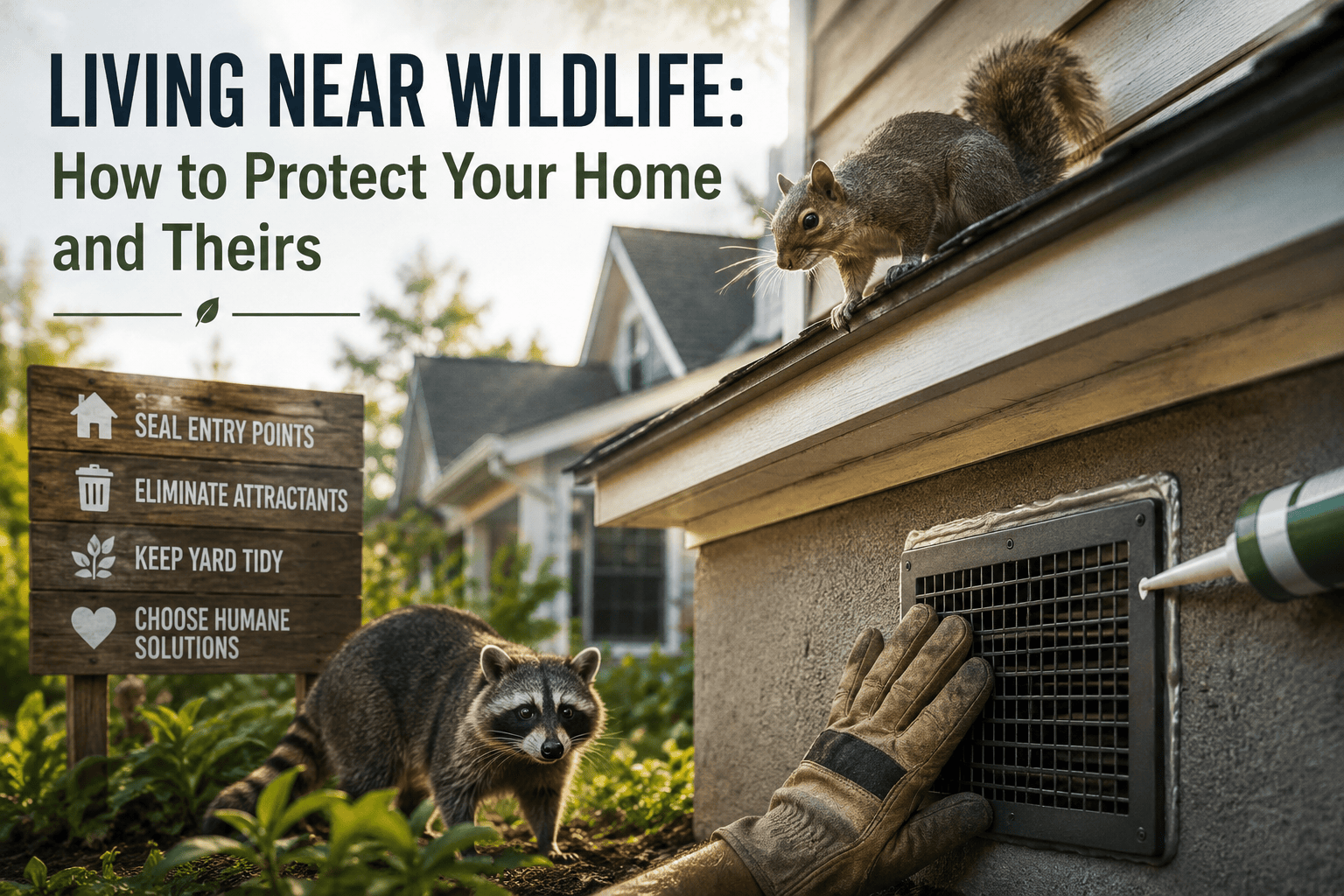
Living near nature offers moments most people only see in documentaries, from deer grazing at dawn to the calls of nocturnal creatures after dark. However, when wild animals find their way indoors, the situation shifts from charming to concerning. Learning how wildlife entry prevention works helps homeowners protect their spaces while keeping local animals safe and thriving in their natural habitats.
Common Signs of an Unwanted Animal Guest
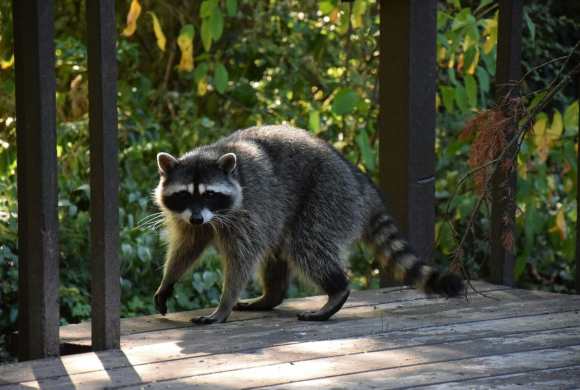
Scratching, scurrying or thumping noises coming from walls and ceilings often signal that wildlife has found its way inside. According to Urban Jungle Wildlife Removal, a wildlife removal and exclusion company, “Scurrying and pitter-patter noises are the telltale audible clues indicating rats or mice have moved into your home.” Meanwhile, flapping wings and high-pitched screeching suggest bats.
A strong, musky odor or the unmistakable scent of urine and feces can also indicate that an animal has settled in. At the same time, physical evidence, like droppings in attics or basements, becomes harder to ignore. Urban Jungle notes that raccoon feces are “among the largest of the wildlife you’ll typically encounter indoors. They measure 2-3 inches long, are tubular in shape, and frequently contain visible undigested food such as berries, seeds, or corn.”
Other signs of animal intrusion include torn insulation, wiring with teeth marks and missing or disturbed items, all of which clearly indicate activity from unwanted critters.
Identifying a Home’s Most Vulnerable Entry Points
Wildlife doesn’t break in through locked doors — instead, it finds existing gaps and weaknesses in a home’s exterior. A thorough inspection reveals where creatures might slip inside, and knowing what to look for makes prevention much more effective.
Inspecting the Foundation and Crawlspace
Foundation cracks provide ideal entry points for smaller animals seeking warmth and protection. Urban Jungle explains, “If there are any cracks in your foundation, squirrels will be able to get inside, using it for shelter or a safe space to store food.”
Even narrow openings can accommodate creatures with flexible bodies, while gaps under exterior doors and unsecured crawlspace vents become especially attractive during colder months when animals search for places to nest and escape harsh weather.
Checking the Roofline, Vents, and Chimney

Damaged or missing roof shingles leave openings that raccoons and squirrels can exploit, while attic vents without proper screens give direct access to interior spaces. These elevated entryways appeal to climbing animals that prefer nesting in the upper levels.
Dryer vent covers that have come loose also become entry points for birds and rodents, while uncapped chimneys offer both shelter and a direct route indoors.
First Steps for Humane Wildlife Entry Prevention
Sealing cracks and gaps stops animals from getting inside in the first place. The Centers for Disease Control and Prevention recommends using specific materials for different-sized openings, such as steel wool and caulk, to block small holes. The steel wool prevents chewing while the caulk holds everything in place.
Home sealing for wildlife is most effective when combined with environmental changes that make properties less attractive to wildlife. Woodpiles raised off the ground remove hiding spots for rodents and snakes, while bird feeders positioned away from the house eliminate easy food sources.
Additionally, keeping yards tidy by clearing brush and removing debris reduces available cover. Storing pet food or birdseed in sealed containers also prevents access to these attractants.
Understanding the Risks of a Wildlife Intrusion
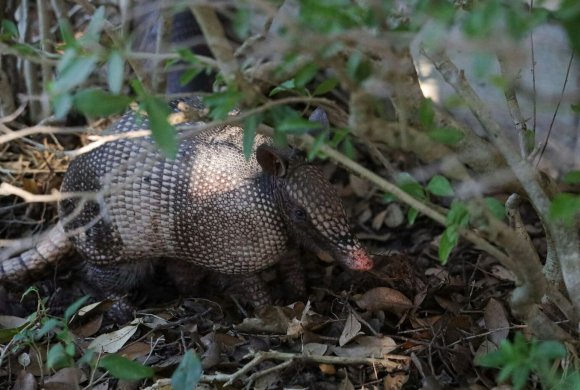
Photo by Lily Miller on Unsplash
Property damage becomes costly quickly when animals live inside a home. Rodents, such as mice and squirrels, can damage ductwork and create nests in insulation, reducing energy efficiency. These persistent chewers gnaw on wood, plastic and even metal fixtures, creating fire hazards when they reach electrical wiring.
Structural problems also develop when animals burrow near foundations. In South Carolina, armadillos have created extensive tunnel systems under properties, compromising structural integrity. These underground networks shift soil and create voids beneath concrete, which can weaken the stability of entire structures over time.
Why Professional Exclusion Offers a Permanent Solution
Trapping an animal and releasing it somewhere else might seem like a quick answer, but it doesn’t address why the creature entered in the first place. Professional exclusion services focus on long-term prevention rather than temporary fixes.
Experts understand animal behavior well enough to locate, identify and remove creatures while preventing future intrusions by other species. They also work safely around defensive wildlife while minimizing stress. “Some animals experience a serious condition called capture myopathy, where intense stress damages their muscles. This leads to weakness, poor muscle coordination, or even death, making survival difficult in a new environment,” says Urban Jungle.
Conversely, DIY removal attempts come with serious risks. Wild animals defend themselves when cornered, and bites or scratches can transmit diseases. Beyond the danger to people, improper trapping methods can injure animals or separate mothers from their dependent young, resulting in outcomes that contradict humane wildlife management principles.
Fostering Safe and Respectful Cohabitation
The good news is that homeowners don’t have to choose between protecting their space and respecting wildlife. When situations call for expertise, professional exclusion services offer the difference between temporary fixes and lasting solutions that respect both properties and animals through effective prevention.
Leave a Reply