

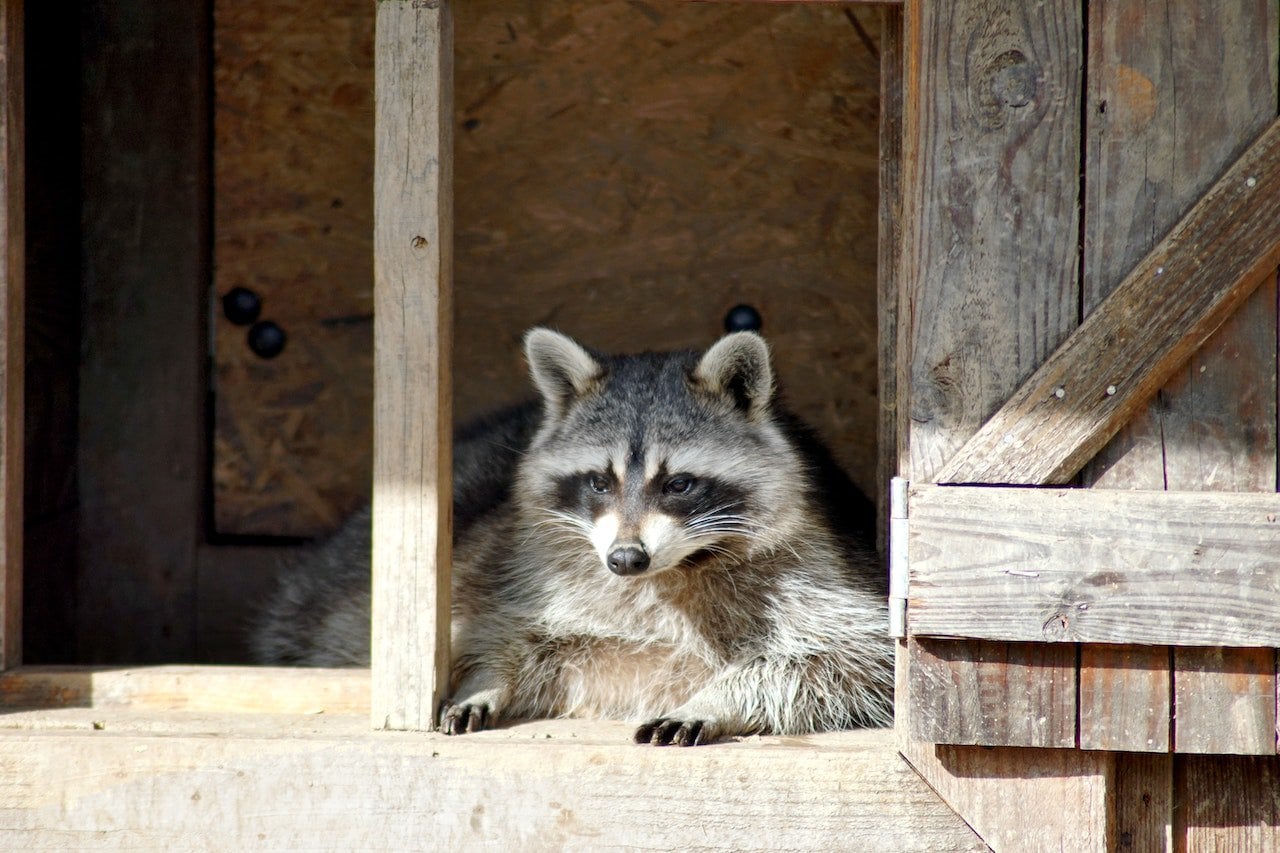
When people think of America’s most iconic wilderness, they usually picture Yellowstone, the Rocky Mountains, or the vast forests of Alaska. The eastern United States rarely comes to mind, known instead for its large cities, highways, and centuries of human settlement.
Many people assume that the region’s original wilderness disappeared long ago and can never return.
However, this assumption is increasingly being challenged. In his book Beasts of the East: The Fall and Rise of America’s Eastern Wilderness, journalist Andrew Moore argues that the eastern U.S. is experiencing one of the most remarkable conservation recoveries in modern history.
Want to know more about this comeback?
A Forgotten Wilderness

Long before European settlers arrived, the eastern United States looked dramatically different. Instead of highways, the region consisted of forests, wetlands, grasslands, and prairies supporting diverse wildlife.
Bison, elk, bears, moose, and caribou roamed the landscape, while passenger pigeons, parakeets, and cranes filled the skies.
Moore invites readers to imagine this forgotten world by saying, “Picture first the landscape: bigger, wetter, wilder in all ways.”
Historical records and ecological research suggest that Indigenous communities coexisted with these ecosystems for millennia, using controlled burns and sustainable hunting to maintain biodiversity.
However, as European settlement expanded, forests were cleared for agriculture, cities were built, and wildlife populations declined rapidly.
Many native species disappeared entirely from large parts of their historical range due to overhunting, habitat destruction, and industrial development. By the late nineteenth century, farmland and towns replaced much of this wilderness.
Although the destruction was severe, the story did not end there. During the twentieth century, many abandoned farms gradually returned to forests through natural succession.
At the same time, governments, scientists, conservation organizations, and local communities began investing in habitat restoration and wildlife protection.
Today, many eastern states have significantly more forest cover than a century ago. New England, almost completely deforested in the nineteenth century, is now 80% forested. As forests recovered, many native animals naturally returned, including black bears, bobcats, moose, beavers, fishers, river otters, wild turkeys, and bald eagles.
This recovery demonstrates an important ecological principle: when suitable habitat is restored and hunting pressure is reduced, wildlife often has an impressive ability to recover on its own.
Restoration Efforts
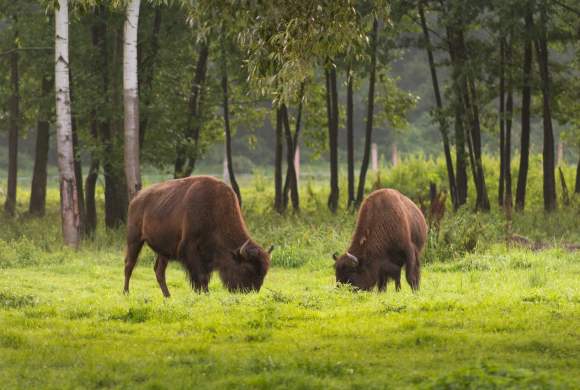
One of the strongest examples presented by Moore is the Nachusa Grasslands restoration project in Illinois. Decades ago, very few people believed that a tallgrass prairie could ever be restored after extensive agricultural development.
Conservationist Steve Packard had a different vision. His goal was not simply to plant native grasses but to rebuild an entire ecosystem, including its natural ecological processes.
This ambitious project eventually included the reintroduction of American bison, whose grazing patterns help maintain prairie biodiversity by preventing certain plant species from dominating the landscape.
Moore calls Nachusa “one of the most important, and most successful, projects of ecological restoration anywhere in the world.”
Today, it supports hundreds of plants, birds, insects, and mammals that had largely disappeared. The project shows that conservation is not only about protecting remaining wilderness but also about rebuilding ecosystems that humans once believed were permanently lost.
Among the most successful wildlife restoration stories in the eastern United States is the return of elk. Once common throughout much of the East, elk were eliminated from many states by the late 1800s because of hunting and habitat loss.
Thanks to carefully planned reintroduction programs, Kentucky now supports 10,000 elk, the largest population east of the Mississippi. They restore natural grazing systems, increase biodiversity, and boost local economies by attracting tourism and hunting, generating millions of dollars for local communities.
However, Moore reminds readers that successful conservation involves more than suitable habitat. He explains that “the big question is social acceptance.”
While elk bring ecological value, they can also damage crops, browse vegetation, and increase vehicle collisions. Wildlife restoration therefore requires cooperation between conservationists, farmers, local residents, and policymakers.
Challenges in Restoring Large Wildlife

Another fascinating question concerns mountain lions, also known as cougars. Although eastern populations disappeared many decades ago, conservationists continue debating whether they could eventually return.
From an ecological perspective, Moore believes much of the eastern United States is already capable of supporting them. Deer populations have grown dramatically, providing abundant food, and recovering forests offer suitable habitat.
As one eastern wildlife biologist explained, “Mountain lions need ‘cover and deer’, and we’ve got that in spades just about everywhere in the East.”
However, public opinion remains the greatest challenge. Predators generate fear regarding livestock and human safety, so reintroduction requires careful planning and public education.
Interestingly, reports of mysterious cougar sightings continue across many eastern states, even though breeding populations have not been confirmed.
Whether these reports involve escaped captive animals or wandering individuals remains uncertain, but they demonstrate the public’s continuing fascination with the species.
Although wildlife populations are recovering, conservationists warn that habitat fragmentation remains one of the biggest threats to biodiversity. Suburbs, highways, and shopping centers break forests into smaller, isolated patches.
Animals must move between habitats to feed and mate, but roads create dangerous barriers that cause collisions and restrict gene flow.
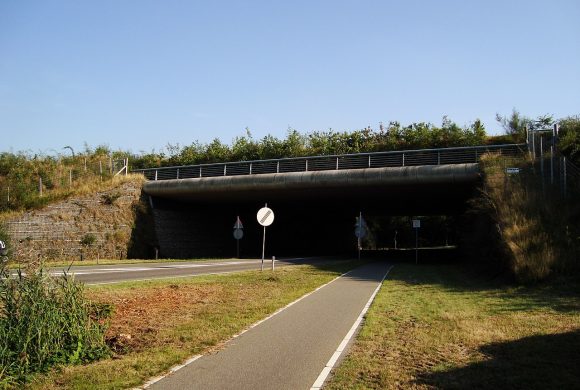
Because of this, wildlife corridors and crossing structures are becoming increasingly important. Specially designed overpasses and underpasses allow animals to cross busy highways safely.
Moore warns that habitat connectivity is becoming more difficult to maintain. “Unfortunately, I see connectivity getting worse,” he explains, noting that suburban expansion continues to reduce remaining wild areas.
He also emphasizes that conservation requires more than safe crossings: “These species will need not just safe passage, but wild lands too.” Without large connected habitats, many wildlife populations cannot remain healthy over the long term.
Conservation Requires Imagination
One of the central messages in Beasts of the East is that successful conservation depends not only on science but also on imagination.
Restoration projects like bringing bison to Illinois, elk to Kentucky, or bald eagles across the country were once dismissed as unrealistic. Yet these achievements became possible because conservationists imagined ecosystems not as they were, but as they could become.
This mindset continues to inspire discussions about restoring additional native species, rebuilding natural habitats, and improving coexistence between people and wildlife.
Sources:
Leave a Reply