

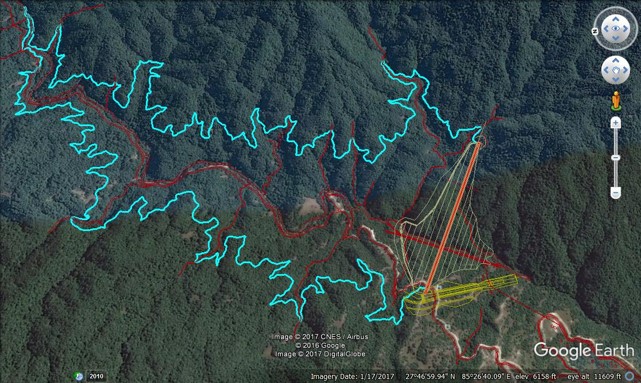
Nepal is planning a massive dam project that conservationists warn could carry a far greater environmental cost than many people realize.
According to a recent study published in Ecology and Evolution, the proposed Nagmati Dam could flood critical habitat for the critically endangered Chinese pangolin, one of the world’s most trafficked mammals.
Researchers also say the project could disrupt forests, rivers, migratory wildlife routes, and entire ecosystems inside Shivapuri Nagarjun National Park.
This matter has now grown larger than a single infrastructure project, it reflects a growing conflict seen in many countries today: how to balance development needs with environmental protection.
A Dam Inside Important Area
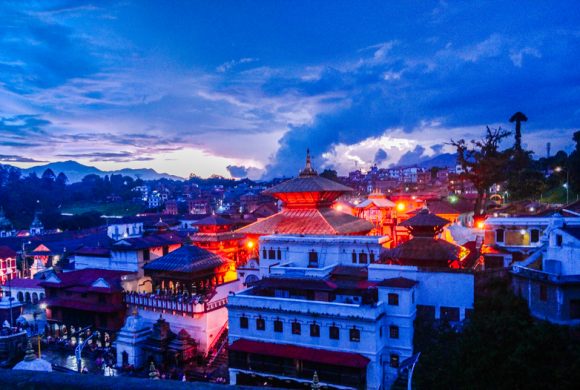
The proposed Nagmati Dam would stand about 95 meters tall and hold more than 8 billion liters of water. The reservoir would collect monsoon runoff from the hills northeast of Kathmandu and slowly release water during drier months.
Government planners believe the project could help restore water flow to the Bagmati River, which is both culturally sacred and severely damaged by sewage and pollution. Officials also say the dam could reduce water shortages in the Kathmandu Valley during the dry season, making it an important investment for a growing capital city.
However, the dam would be built inside Shivapuri Nagarjun National Park, one of Nepal’s most important protected areas. The park covers nearly 16,000 hectares of forest and acts as a natural water recharge system for Kathmandu Valley.
Researchers have documented hundreds of species inside the park, including birds, mammals, reptiles, amphibians, butterflies, and freshwater organisms. A 2024 bird survey recorded 396 species in the area, including Nepal’s only endemic bird, the spiny babbler.
Mammal studies have identified at least 65 species living inside the park. Among the most threatened is the Chinese pangolin, a shy nocturnal mammal covered in protective scales. Pangolins are already under severe pressure across Asia because of illegal wildlife trafficking and habitat destruction.
Researchers warn that even small disturbances can seriously affect their survival, as pangolins depend on very specific habitats and have small home ranges. Researchers estimate that nearly 100 hectares of suitable pangolin habitat could be flooded if the dam is completed.
The concern is not limited to pangolins alone. Other species potentially affected include leopards, Himalayan black bears, civets, bats, deer, and rare bird species. Conservationists say construction activity, forest clearing, and flooding could force animals into nearby human settlements, increasing the risk of human-wildlife conflict.
Risks Go Beyond Pangolins

One of the biggest criticisms surrounding the Nagmati Dam focuses on its environmental impact assessment. Researchers and conservation groups argue that the report does not fully examine the ecological damage the project could cause.
The recent study specifically states that the assessment failed to properly recognize the risks facing pangolins, a problem conservationists say reflects a wider trend in infrastructure planning, where biodiversity concerns receive limited attention compared with economic benefits.
According to project documents, construction could require the removal of more than 80,000 trees. That forest loss alone could permanently alter wildlife habitats and migration corridors throughout the region.
Researchers are also worried about river ecosystems. Fast-flowing mountain rivers support fish species and aquatic insects that depend on cold, oxygen-rich water. Once a dam is built, these rivers often transform into slower-moving reservoirs.
Bishwanath Rijal from Green Guard Nepal warned that this change could threaten fish species such as snowtrout and torrent catfish, which rely on free-flowing rivers for feeding and reproduction.
He also explained that sediment trapped behind the dam could damage habitats used by aquatic insects such as mayflies and stoneflies, important parts of the freshwater food chain.
To reduce these impacts, experts recommend structures called fish ladders that allow fish to move around dams during migration. However, environmentalists argue that mitigation measures in Nepal are often poorly implemented or weakly monitored after projects are approved.
A 2025 study examining hydropower projects in Nepal found widespread problems with incomplete reporting and limited enforcement of environmental protections, raising concerns about whether the Nagmati Dam’s mitigation promises would be followed in practice.
Another major concern involves future development around the dam itself. Roads, construction camps, and increased human activity could create long-term environmental pressure well beyond the reservoir area.
The Growing Conflict

Nepal faces a difficult challenge. Kathmandu’s population continues growing rapidly while water shortages and pollution worsen every year. Government officials argue that new infrastructure is necessary to support the city’s future.
Supporters of the Nagmati Dam say the project could improve water security while helping revive the Bagmati River, which holds deep cultural and religious importance for millions of people.
The project is also backed by the Asian Development Bank, which says its investments undergo environmental reviews designed to support sustainability and biodiversity protection.
Still, many researchers argue that infrastructure planning in environmentally sensitive regions must become far more cautious. Some conservationists also question whether the dam is truly necessary.
Shivapuri Nagarjun National Park already acts as a natural watershed system, helping store and filter water through healthy forests and underground recharge. Critics believe protecting and restoring natural ecosystems could sometimes provide safer and more sustainable water solutions than large engineered structures.
The controversy reflects a wider global issue. Across many developing countries, governments are trying to expand water infrastructure and urban development while also protecting biodiversity and climate resilience.
These goals often collide in areas where forests, rivers, and wildlife habitats overlap with human needs.
In Nepal’s case, the debate has become especially emotional because the affected species are already under pressure. Pangolins in particular have become symbols of wildlife conservation across Asia due to intense illegal trafficking.
What Happens Next

For now, the Nagmati Dam remains in its preparatory stage, and conservationists are pushing for stronger environmental scrutiny before construction begins. Researchers say more detailed wildlife studies are urgently needed to understand the full ecological impact of the project.
Researchers also want authorities to create clear mitigation plans for wildlife movement, habitat preservation, and river ecosystem protection if the project moves forward. Without proper safeguards, they warn the environmental damage could become irreversible.
The forests around Kathmandu still support rare mammals, migratory birds, freshwater species, and complex ecological systems that quietly protect water resources for the city below. Once those systems are fragmented, rebuilding them may become impossible.
For many researchers, the Nagmati Dam is a test for whether future development can happen without sacrificing some of Nepal’s most fragile wildlife and ecosystems in the process.
Sources:
Leave a Reply