

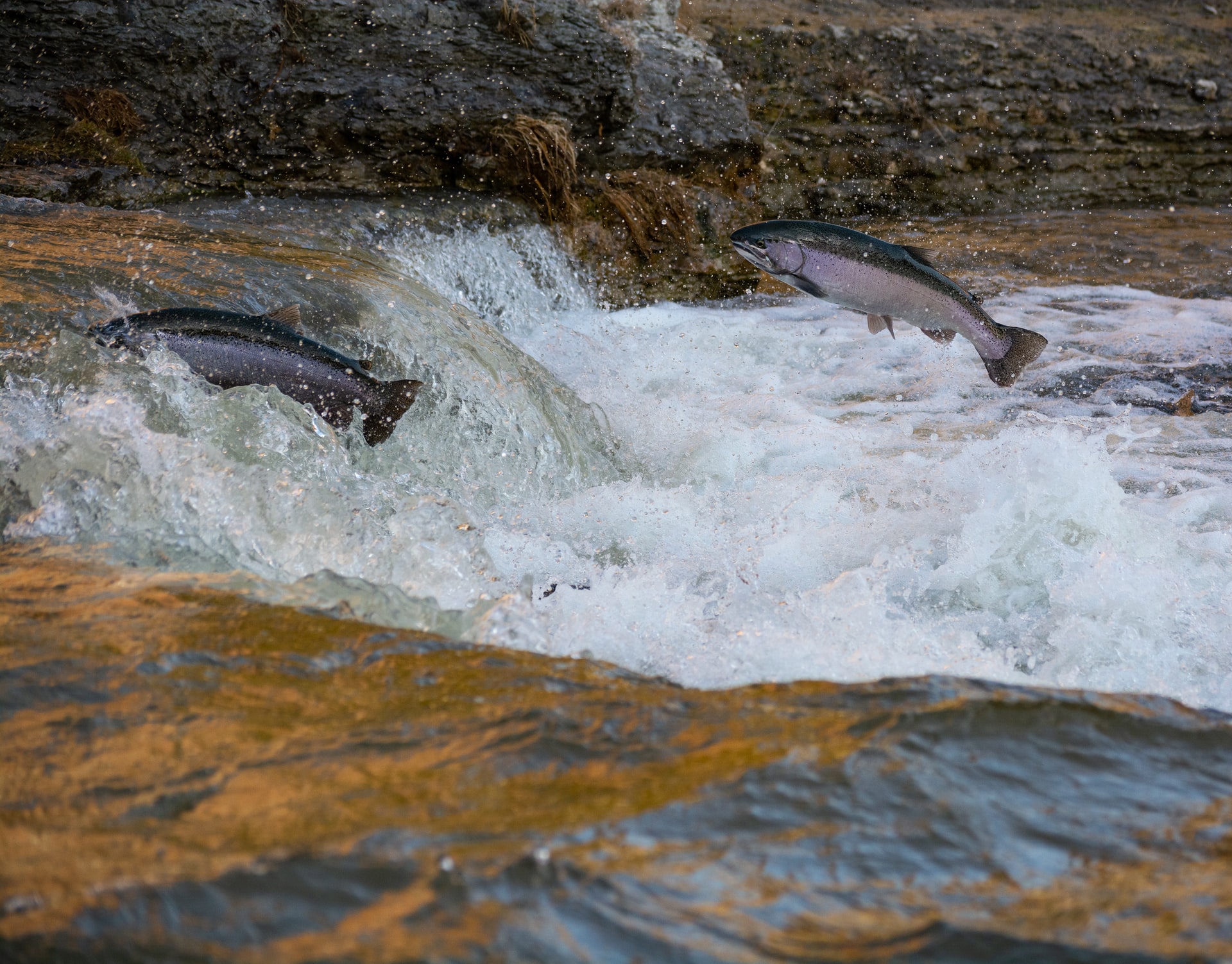
Migratory freshwater fish are special types of fish that travel long distances through rivers and lakes. These fish move from one place to another to find food, lay eggs, or survive different seasons.
Unlike fish that stay in one area, migratory fish can swim hundreds or even thousands of kilometers during their lifetime. Sound tough, aren’t they? But recently, research showed that they are in big trouble.
Want to learn more about it? Let’s talk here.
The Amazing Journeys of River Fish
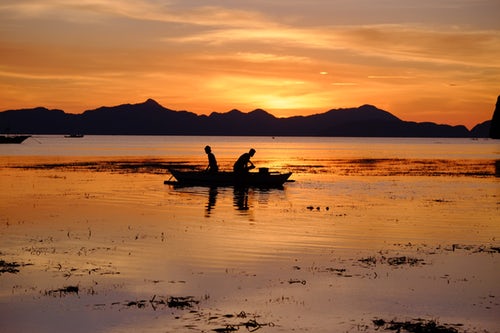
The migration journeys of freshwater fish are truly incredible. Some species travel extremely long distances to complete their life cycles. The dourada fish, which lives in South America, makes the longest known freshwater migration in the world.
This fish can swim up to 11,600 kilometers in a single round trip between the Andes mountains and the Amazon estuary. This distance is similar to traveling from Indonesia to Australia and back several times.
Different fish migrate for different reasons. Some fish move upstream to find safe places to lay their eggs. Others travel downstream to find areas with more food. Many fish follow seasonal changes in water levels.
When rivers flood during rainy seasons, fish move into flooded forests and grasslands. When the water level drops, they return to the main river channels.
In Brazil’s Pantanal wetland, local fisherman Alberto Oriozola, who is 72 years old, remembers when the Miranda River was full of large surubim catfish. He recalls: “You could choose the size you wanted to catch.”
He says that fish which were 3 meters long were common in the past. Now, the largest fish are only half that size and much harder to find.
The migration of these fish is very important for entire river systems. When fish move through rivers, they connect different habitats together. They carry nutrients from one place to another. They also serve as food for larger animals such as jaguars, giant otters, and birds.
Guillermo Estupiñán, a freshwater expert with the Wildlife Conservation Society, explains that “migration happens at different scales.” This means that not all fish need to travel thousands of kilometers. Even shorter movements of 50 or 100 kilometers are important for the health of river ecosystems.
Major Threats to Migratory Fish

The biggest danger to migratory fish comes from dams. While dams can be useful for humans, they create serious problems for migrating fish. When a dam blocks a river, it stops fish from reaching the places where they need to spawn or feed.
For migratory fish, a dam is like a wall that they cannot cross. Unlike birds or land animals that can go around obstacles, fish are trapped by dams. Some companies try to build fish ladders, which are structures that help fish swim past dams.
However, these ladders often do not work well. Many fish cannot use them successfully, which means they cannot complete their migrations.
The Paraná River in South America shows what happens when too many dams are built. Large dams such as Itaipú and Yacyretá now block the ancient migration routes that fish have used for thousands of years.
Carla Polaz, a fish expert with the International Union for Conservation of Nature, says: “The Paraná is so full of dams that fish can no longer move.”
The Mekong River in Southeast Asia faces similar problems. The Mekong supports the largest inland fishery in the world and provides food and jobs for tens of millions of people. However, new dams are being built along the river and its branches.
These dams cut off migration routes for giant fish species such as the Mekong giant catfish and the giant barb. These fish used to be common throughout the river system, but now they have disappeared from Thailand and Laos. They can only be found in Cambodia, where parts of the river still flow freely.
Besides dams, other human activities also harm migratory fish. People take too much water from rivers for farming and cities. This leaves less water for fish to swim in. Pollution from factories and farms makes water dirty and dangerous for fish.
Climate change is also affecting rivers by changing water temperatures and flow patterns. All of these problems work together to make life harder for migratory fish.
Why These Fish Matter
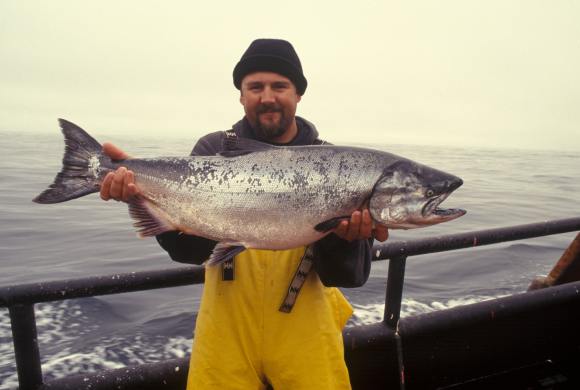
Migratory freshwater fish are extremely important for human food security. In tropical regions, these fish are the main source of protein for hundreds of millions of people.
In the Amazon River, researchers estimate that about 80% of the fish that people catch are migratory species. In the Mekong River, between 40% and 70% of all fish caught depend on migration to survive.
The economic value of these fish is also very large. River fisheries provide jobs for fishermen, fish sellers, and many other people who work in the fishing industry. When fish populations decline, poor communities suffer the most because they depend on fish for daily food and income.
Recently, world governments have started to pay more attention to this problem. In March 2025, countries met in Brazil for a conference called CMS COP15. At this meeting, they adopted a new action plan to protect migratory fish in the Amazon. They also added the spotted surubim catfish to a list of threatened species that need international protection.
The Ticking Bomb
A new global assessment identified 325 migratory freshwater fish species that urgently need conservation help. However, only 24 migratory freshwater fish are currently protected under international agreements. This is a very small number compared to how many species are in danger.
Scientists say that protecting migratory fish requires cooperation between countries. Because these fish cross national borders during their migrations, one country acting alone cannot save them. All the countries that share a river system must work together to protect migration routes and reduce harmful activities.
There are some hopeful signs for the future. Brazil is becoming a leader in protecting freshwater fish. More researchers are studying fish migrations in Africa and Asia to fill gaps in scientific knowledge. Some communities are also creating protected areas where fishing is limited to allow fish populations to recover.
However, time is running out. As Maycon Lopes da Silva, a young fishing guide in Brazil, says: “My feeling is that nowadays it’s much harder.” The fish that once filled the rivers are disappearing.
Without strong action to protect migration routes, remove harmful dams, and manage fisheries carefully, many of these incredible fish species may be lost forever. The future of both the fish and the millions of people who dep end on them remains uncertain.
Sources:
Leave a Reply