

For most animals, reproduction requires two parents. A male and a female come together, their genetic material combines, and offspring are born carrying traits from both sides. But a surprising number of animals had found a way around this entirely.
Through asexual reproduction, they produced offspring using only their own genetic material, with no partner needed. The results were offspring that were essentially copies of the parent, carrying the same DNA without any mixing.
Scientists had long known that plants and single-celled organisms could do this, but over the past few decades, researchers kept uncovering examples in the animal kingdom that nobody expected to find there.
Let’s talk more about it here.
In Captivity
Many of the most striking discoveries came from animals held in captivity, which created unusual conditions that seemed to trigger asexual reproduction in species where it had never been observed before.
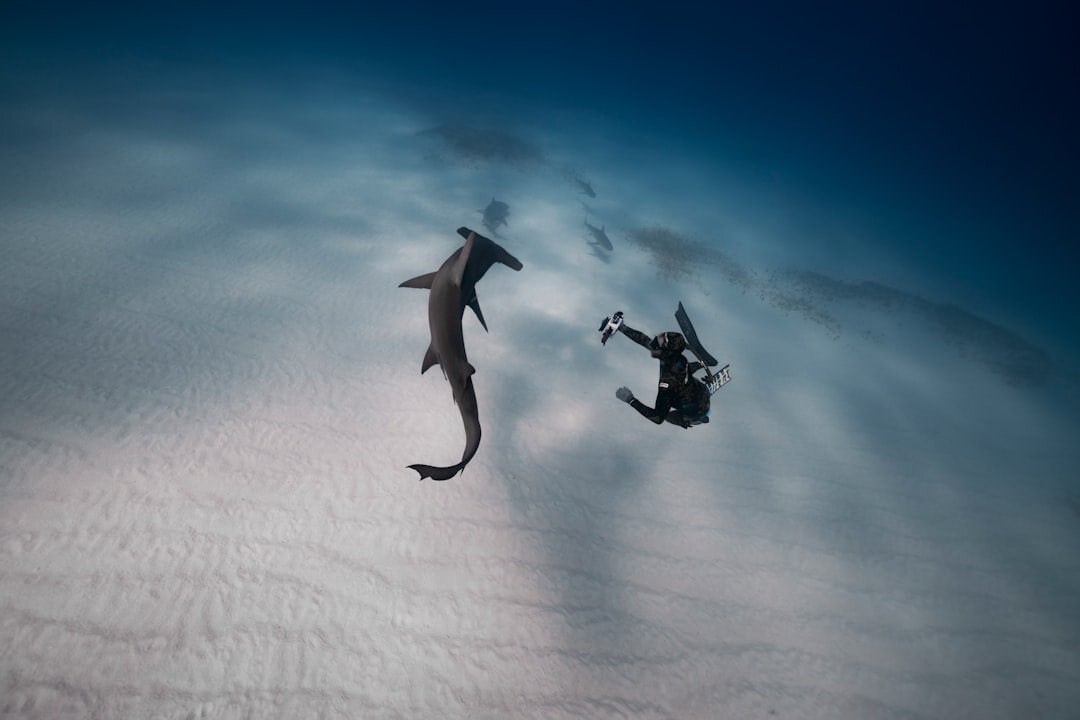
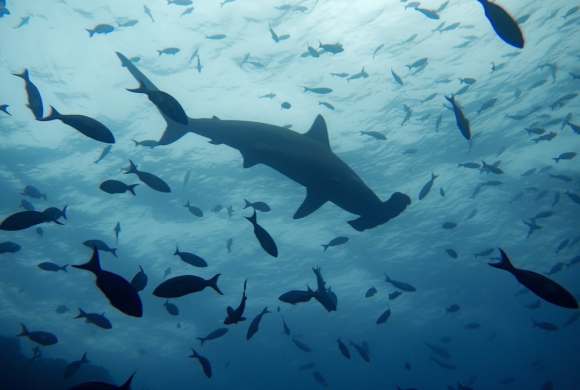
In 2001, a captive female hammerhead shark that had been separated from all males for at least three years gave birth to a live, fully developed female pup. Researchers found no genetic contribution from any father.
It was the first recorded case of asexual reproduction in a cartilaginous fish, a group that includes sharks, rays, and skates. Then in 2017, a zebra shark in Australia named Leonie produced three pups after five years of separation from her mate
Genetic testing confirmed that the babies carried only their mother’s DNA, and it was the first known case of an individual shark switching from sexual to asexual reproduction during its lifetime.
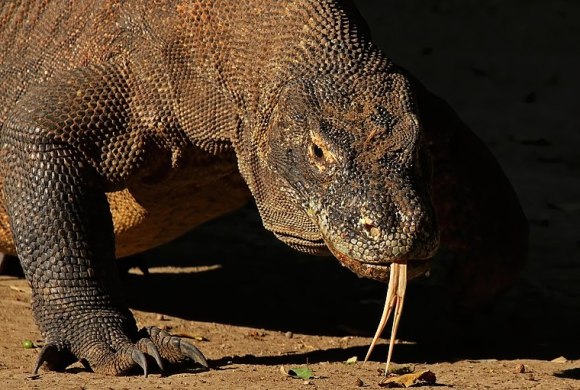
A similar discovery happened with Komodo dragons in 2006. A female at Chester Zoo in England had never had any contact with a male in her entire life.
She laid 11 eggs, and testing showed they carried only her genetic material. At the time, nobody had suspected that the world’s largest lizard was capable of this at all.
In 2012, a 20-foot Burmese python named Thelma at the Louisville Zoological Gardens in Kentucky laid 61 eggs despite having had no contact with a male for two years. Six healthy female babies hatched, and DNA analysis confirmed that Thelma was their only parent.
Looking More Carefully
After these initial cases drew attention, researchers began looking more carefully at how asexual reproduction actually worked across different species, and what they found showed that it was not a single process but several distinct ones.
The most common mechanism in these vertebrates was parthenogenesis, in which an egg developed into an embryo without being fertilized by sperm. In most cases, this produced offspring with less genetic variation than sexually produced young, since the DNA came from only one source.
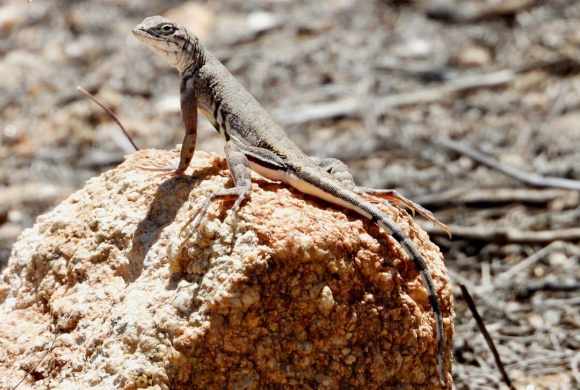
But researchers found interesting exceptions. The New Mexico whiptail lizard, a species made up entirely of females, had developed a way to preserve genetic diversity despite reproducing without males.
During egg development, the cells doubled their chromosome count before dividing, giving the eggs the same number of chromosomes as those produced through sexual reproduction. The result was offspring with meaningful genetic variety despite having only one parent.
The Amazon molly fish presented an even more striking case. This freshwater species, native to Mexico and Texas, had been reproducing entirely asexually for as long as researchers could determine.
A 2018 study compared its genome to two similar species and found that, contrary to what scientists expected, the mollies showed high genetic diversity and no signs of the genomic decay that typically affected species with no sexual reproduction.
Asexual Reproduction Across Species
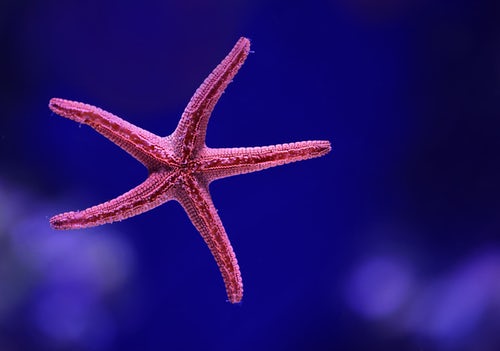
Not all asexual reproduction in animals worked the same way, and some of the most unusual examples came from invertebrates. Starfish reproduced asexually through fission, where the animal split into two separate organisms.
Some species went further: they voluntarily broke off one of their own arms, which then grew into a completely new starfish while the original regenerated the missing limb. Of the approximately 1,800 known starfish species, 24 had been confirmed to use this method.
Hydras, small freshwater animals found in tropical and temperate regions worldwide, used a process called budding. Small growths developed on the hydra’s cylindrical body, gradually lengthened, grew their own tentacles, and eventually detached to become fully independent organisms.
Hydras produced these buds every few days. Scientists also noted that hydras showed no signs of aging, an unusual characteristic that appeared to have helped the group survive for an estimated 200 million years.
The marbled crayfish offered one of the most remarkable cases of all. First noticed in 1995 when a German aquarium owner found an unfamiliar species that appeared to be cloning itself, the crayfish turned out to be a previously undescribed species made up entirely of females.
By 2018, scientists had sequenced its DNA and confirmed that every individual in both captive and wild populations descended from a single original organism. Between 2007 and 2017, the wild range of this invasive species had expanded one hundredfold.
More and More and More
The growing list of animals known to reproduce asexually raised questions about how widespread the ability actually was. Many of the confirmed cases only came to light because captivity created conditions, specifically the long-term absence of mates, that pushed the animals to reproduce differently than they would have in the wild.
Researchers suspected that parthenogenesis in wild populations of sharks and other species was more common than the existing records suggested, but it was simply very difficult to detect without genetic testing of wild-born offspring.
The findings also helped clarify both the advantages and the limits of asexual reproduction. An organism reproducing without a partner could build a population quickly and did not need to spend energy or time finding a mate.
For species like the Komodo dragon, which the IUCN listed as vulnerable to extinction, the ability to produce offspring alone could matter in situations where mates were scarce or hard to reach.
The limitation was genetic. Populations that reproduced entirely asexually carried identical or near-identical DNA, which made every member vulnerable to the same diseases and environmental pressures at the same time.
Sexual reproduction mixed genetic material in ways that created variation, and variation gave populations options when conditions changed.
The animals on this list had found their own ways of managing that trade-off, and in many cases, they had been doing so for longer than anyone had realized.
Sources:
Leave a Reply