

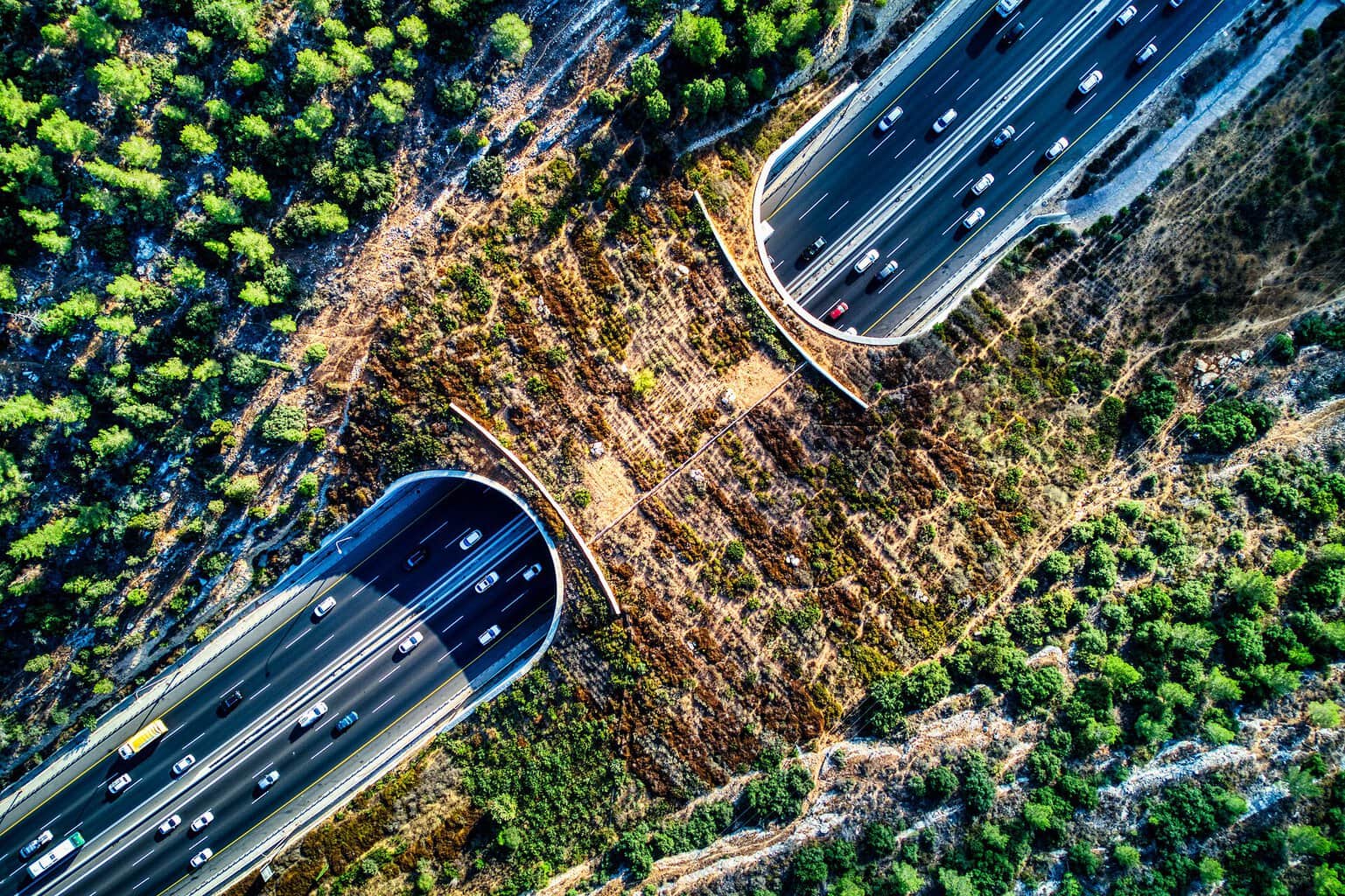
Do you like animals like deer or mountain lions? These animals need space to move around and find food. But today, roads and cities are cutting through their homes. This makes it hard and dangerous for them to travel safely.
Wildlife crossings are special bridges or tunnels built just for animals. They help animals cross busy roads without getting hurt. As more cities and roads keep growing bigger, more of these crossings should be built to help protect wildlife and keep people safe too.
What Are Ecological Corridors?
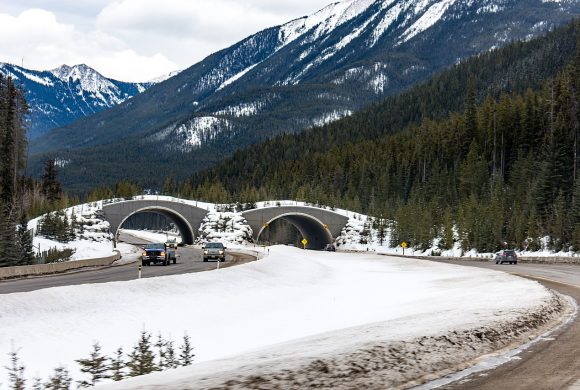
Ecological corridors are paths of land that animals use to travel. Animals walk through these paths to find food, water, and other animals to mate with. These paths are shaped by things like hills, plants, and the type of land itself. Animals usually learn these paths and use the same ones for many years.
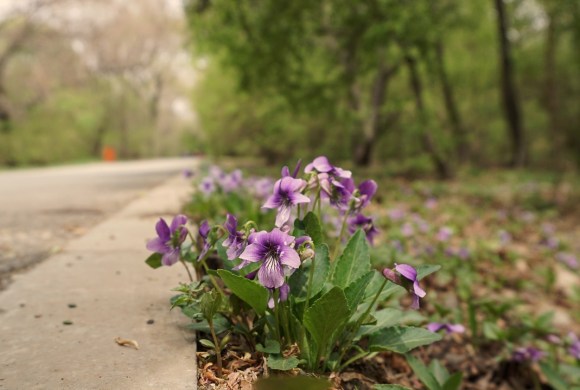
But humans have been building more houses and roads every year. This has slowly destroyed many of these natural paths. Because of this, animals are now forced to cross dangerous roads just to survive, putting both themselves and drivers at risk.
Wildlife crossings can fix this problem. When built in the right place, they help connect the broken paths again. Some crossings are small tunnels under the road. Others are big bridges built just for one type of animal, depending on what that animal needs.
These crossings are usually built with plants and dirt on top, so they look and feel like a natural piece of land. This helps animals feel safe enough to walk across them. Scientists and engineers often study an animal’s habits first, so they can build the crossing in the best possible location.
Without these crossings, animal groups can become cut off from each other. This can be very bad for them over time. If animals cannot move freely, they may lose the chance to find new mates. This can make a group of animals weaker and easier to die out completely.
Mountain Lions Are In Danger
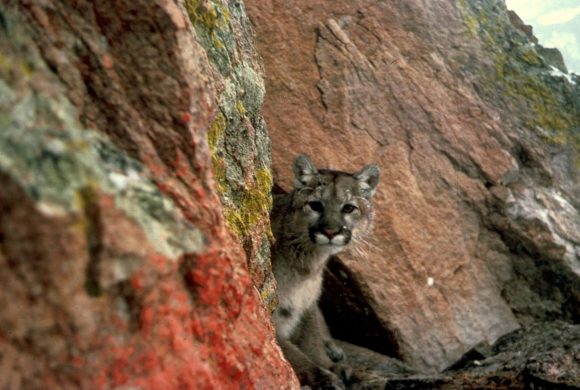
Mountain lions are a clear example of this problem. These big cats need a lot of land to live in. A male mountain lion needs more than 100 square miles just for itself, while a female needs between 20 and 60 square miles. Because they need so much space, they are hurt the most by new roads and buildings.
Highways have cut their land into small pieces. Between 2016 and 2023, at least 613 mountain lions were hit and killed by cars in California alone. This shows how big this problem really is for these animals trying to move from one place to another.
These accidents are not only bad for animals, but for people too. It is thought that car accidents with wild animals cost California about $200 million every year. This money goes to fixing cars and paying for hospital bills. So this is a problem for both animals and humans, not only for nature lovers.
When mountain lions disappear, other problems start too. Mountain lions usually eat deer and keep their numbers low. Without enough mountain lions, deer eat too many plants. This can hurt the soil and kill many other plants too. So losing just one animal can hurt the whole forest in ways people may not expect.
This kind of chain reaction happens in nature all the time. One small change, like fewer mountain lions, can lead to bigger problems like damaged soil, fewer trees, and less clean water nearby. This is why protecting just one type of animal can actually help save an entire ecosystem.
A Big New Crossing In California
One great example is the Wallis Annenberg Wildlife Crossing in Southern California. This crossing goes over ten lanes of a busy road called the 101 Freeway. It is the biggest crossing of its kind in the whole world. It is 200 feet long and 165 feet wide, built to help many different kinds of animals cross safely.
People first thought of building this crossing back in 1990. But for many years, nothing happened because some of the land was owned by other people. Finally, after many years of hard work by conservationists and the National Park Service, workers were able to start building it in 2022.
This project cost more than $100 million to build, and it took many years to finish. But many people say it is worth the cost. It will help save many animals and fix the land that was broken by roads for a very long time.
As the crossing gets ready to open in late 2026, it shows what people can do when they work together. Many hope this project will give other cities and states an idea to build their own crossings too, so more animals can be saved in the future.
Other Working Crossings

Other crossings have already shown great results. One example is the Laurel Curve Wildlife Undercrossing on Highway 17. This road connects Santa Cruz to Silicon Valley. Before the crossing was built, this road kept mountain lions apart from each other, making it hard for them to find mates.
After the crossing was finished in 2022, the results were amazing. In just one year, animals used the tunnel 934 times. This surprised even the scientists who study these animals closely.
California Fish and Wildlife Director Chuck Bonham said, “It’s a great victory for mountain lions, fixing older infrastructure for the benefit of wildlife is just the smart thing to do.”
This quote shows something important. Wildlife crossings are not just good for animals. They are also a smart and helpful way to build roads. As more cities grow bigger, more crossings like this should be built too, before more animals get hurt or killed.
Why This Matters

The story from California shows clear proof that wildlife crossings work well. They protect animals, stop dangerous accidents, save money, and keep nature in balance. Because of all these reasons, more crossings should be built wherever roads cut through animal homes.
This problem is not only happening in California. Many other places around the world also have roads that cut through animal habitats. If more countries learn from these successful examples, many more animals could be saved from danger every year.
Building a wildlife crossing may seem expensive at first. But when we look at the cost of accidents, hospital bills, and damage to nature, the crossing actually saves money in the long run. It also shows that humans and animals can share the same land peacefully if we plan carefully.
In the end, wildlife crossings are a simple but powerful idea. They are not just bridges for animals, they are also a bridge between human progress and nature. This way, both animals and people can stay safe, and nature can stay healthy for many years to come.
Sources:
Leave a Reply