

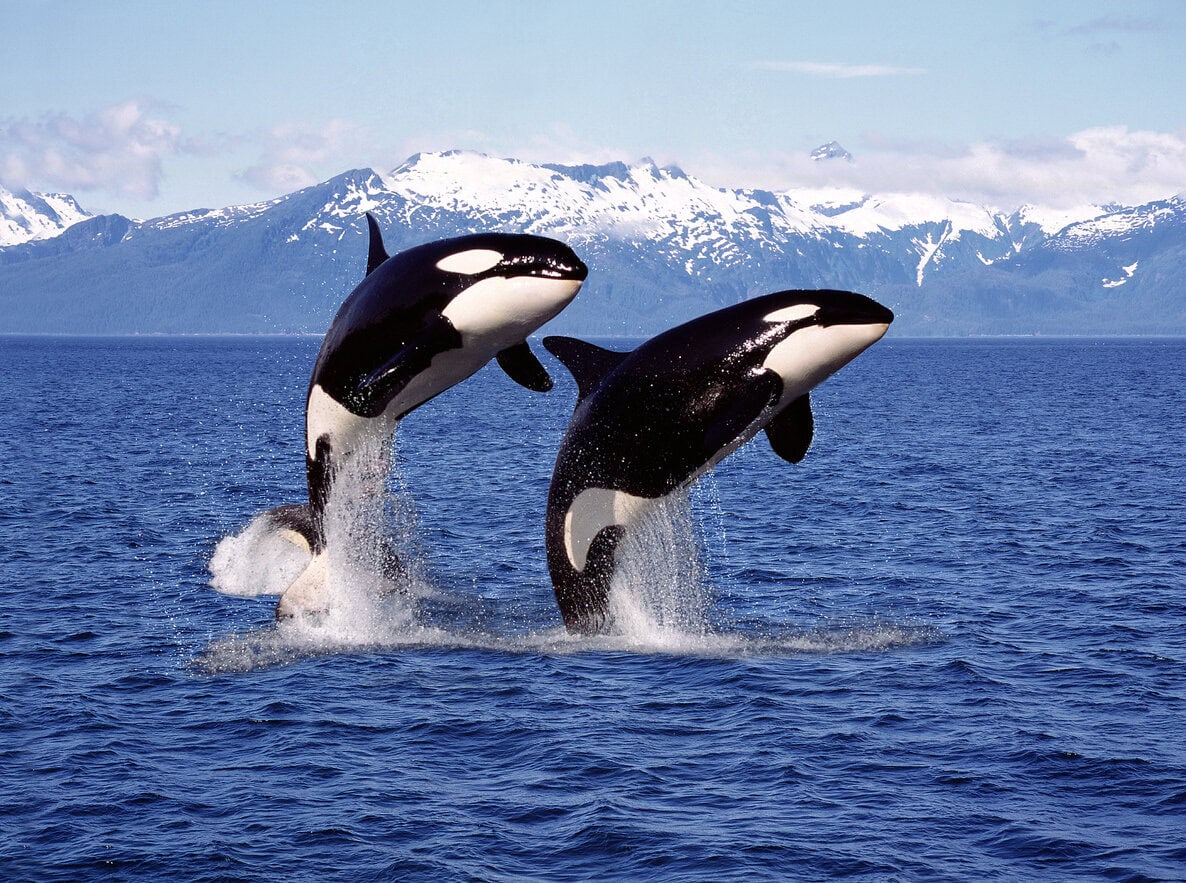
A boat trip is supposed to be pretty simple. You get on, enjoy the sea, feel the wind, and hope the weather stays nice. Then imagine hearing a strange bump underneath you. Another one follows. You look down, but there’s nothing there. A few seconds later, an enormous orca appears beside the boat.
For sailors along the coasts of Spain and Portugal, scenes like this have become a real concern. Since 2020, Iberian orcas have repeatedly interacted with boats, sometimes damaging rudders and other parts of vessels. A small number of boats have even sunk.
Naturally, the internet has turned the story into something much bigger. Some people say the whales are taking revenge. Others think they’re training their young to hunt boats. But researchers studying the animals have a rather different explanation, and it is much stranger than a simple story about angry killer whales.
What is it? Let’s talk about it.
Orca Seeking Revenge
Let’s start with the theory that sounds most like a Hollywood movie.
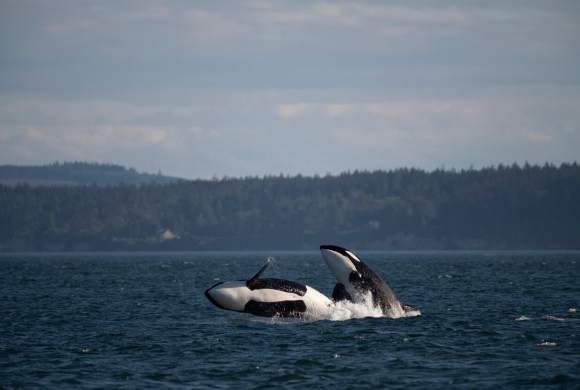
According to the popular story, a female orca known as White Gladis was once hit or badly frightened by a yacht. After that, she supposedly decided that boats were the enemy and began teaching other orcas how to attack them.
It’s easy to see why this story caught on. You have a highly intelligent animal, a traumatic event, and a group of younger whales apparently copying its behavior. Put those pieces together and you’ve got a ready-made revenge story.
The problem is that scientists don’t have solid evidence for it.
Jared Towers, a killer whale researcher at Bay Cetology, has dismissed the idea that the whales are carrying out some organized campaign of revenge. Wild orcas can react to unusual situations, but that doesn’t automatically mean they’re planning punishment against humans.
There is another problem with the revenge theory. If the whales were really trying to get back at people, researchers would expect to see clearer signs of deliberate aggression toward particular boats or people. Instead, the encounters don’t always look like attacks.
Some whales approach boats, make contact, and then leave. Others appear to investigate parts of the vessel without showing the kind of behavior you’d expect from an animal trying to destroy an enemy.
So, dramatic? Definitely. Proven? Not really.
Found a New Game
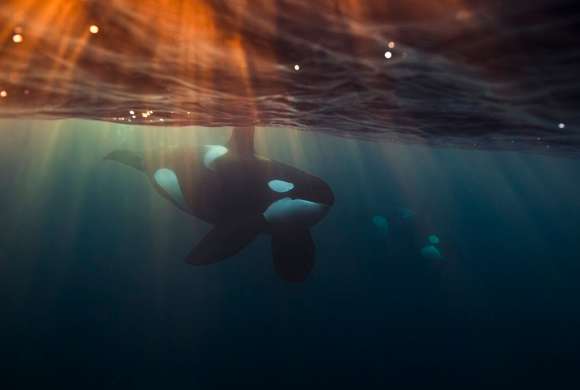
Another explanation is that the whales are using boats as some kind of practice equipment.
You can imagine it almost like teenagers discovering something new and thinking, “What happens if I push this?” Except these teenagers weigh several tons and happen to live in the ocean.
Janek Andre, an orca researcher at WeWhale, has pointed out that the behavior doesn’t look much like normal hunting practice. When orcas hunt, they can chase prey at high speed and make complicated movements together. Boat interactions are often much slower and more repetitive.
The whales also don’t seem to treat boats like prey.
There isn’t usually a chase followed by an attempt to capture something. Instead, an orca may approach the boat, touch or push part of it, and then move away. That difference matters.
Researchers have also noticed that juveniles are heavily involved in these interactions. Joana Castro, a marine ecologist with the Marine Environment Research Association, has studied the encounters for years and found that most direct contact has involved younger whales rather than adult males.
That has led researchers to consider a much less dramatic possibility, curiosity and social play.
Orcas are highly social animals. Young whales spend a lot of time learning, exploring, and interacting with members of their group. A boat could simply become an interesting object in their environment.
That doesn’t mean the behavior is harmless. A curious whale can still cause serious damage when the object it is playing with is a large boat.
The Strange Signs
Some of the most interesting observations come from watching what the whales actually do around boats.
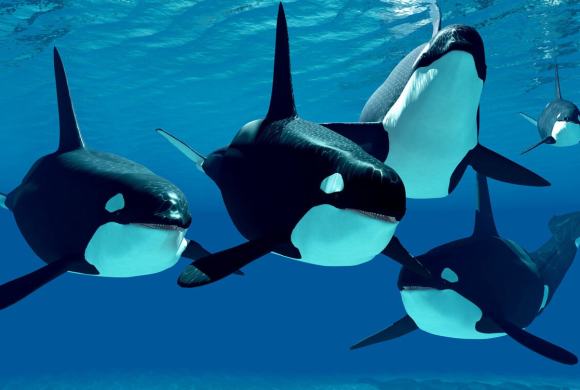
Castro’s research suggests that some contact has been surprisingly gentle. Instead of violently smashing into vessels, the whales have sometimes nudged or touched them. Some have even turned onto their backs while making contact, exposing their bellies.
That matters because body position can provide clues about an animal’s mood and behavior. A whale casually approaching and touching something is a very different situation from one actively chasing and trying to destroy it.
Then there’s the strangest part, gifts.
In 2021, a young orca named Eli reportedly carried a piece of tuna toward researchers nearby. Castro described this kind of behavior as part of the strong social bonding seen in orca communities.
Think about that for a second. An animal that supposedly hates boats and humans is also capable of approaching people and showing them food.
That doesn’t prove the whales are friendly toward boats, of course. It simply makes the revenge story much harder to explain.
Researchers also recorded early footage in 2018 involving a young orca named Lua gently nudging the inflatable pontoon of a boat while his younger sister watched. At the time, nobody knew this would become part of a much larger pattern.
As the years passed, both whales became involved in repeated boat interactions.
This is why scientists are careful with words like “attack.” What looks terrifying from inside a boat may not mean the whale has the same intention humans would associate with an attack.
Still, intention doesn’t change the result when a large animal starts pushing a boat around.
Curiosity Becomes a Problem
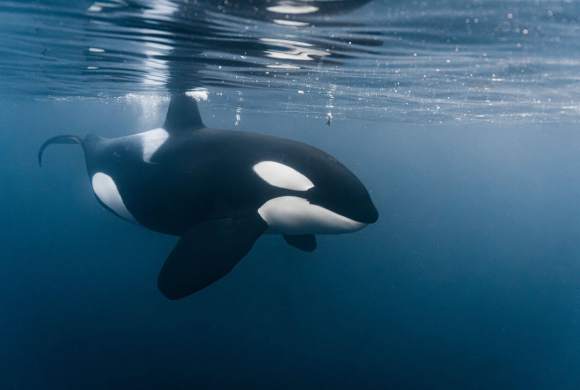
There is a difficult twist to the whole story. The whales may not be trying to hurt people, but the situation can still become dangerous for both sides.
Iberian orcas are critically endangered, with only around 40 individuals in this particular population. That makes every interaction more worrying.
Boats can injure whales, especially through propellers. One orca known as Atlas still has scars from a propeller strike in 2022. Meanwhile, frightened sailors have sometimes responded aggressively, including using explosives or firearms.
That creates a terrible cycle. A whale approaches a boat out of curiosity. People become frightened. Someone reacts badly. The whale gets injured. Future encounters could then become even more unpredictable.
Researchers don’t completely agree on the best response, either. Some have suggested that boats should continue moving rather than remaining still. Others believe stopping as soon as orcas approach may reduce the chance of further interaction.
For Janek Andre, however, the basic message is much simpler, don’t engage with the animals.
Sources,
Leave a Reply