


Let’s be honest. Household waste piles up fast. Food scraps. Packaging. Old electronics. Clothes you never wear. And a bunch of other stuff that ends up in the bin. It happens when we buy things, use them, and toss them. Without really thinking about what comes next. Sure, one home makes way less waste than a big factory. But add up millions of homes? That’s a seriously big number.
Here’s the deal. Tech can actually help you cut down on pointless waste. It can make how you use stuff way more efficient. Help you recycle better. Make your things last longer. And help you make smarter choices. From smart appliances to digital planning tools, there are tons of practical ways to use resources more carefully. Without flipping your whole daily routine upside down. Pretty handy, right?
Understanding the Household Waste Problem
Household waste comes in all shapes and sizes. Organic waste covers food scraps and garden clippings. Recyclables might include paper, cardboard, glass, and certain plastics. Electronic waste? Old gadgets. Batteries. Tangled cables. Dead appliances. And textiles and household goods make up another big chunk.
How much harm waste does depends on its whole journey. How stuff’s made. Shipped. Used. And eventually thrown out. When you toss something after just a little while, you’re also wasting everything that went into it. Raw materials. Energy. Water. And people’s hard work.
So cutting waste actually starts way before anything hits the bin. Buy only what you need. Pick stuff that lasts. Fix things when they break. And reuse what you can. All of it adds up to less waste. Simple, really.

Smart Appliances and Efficient Resource Use
Smart home appliances can help you keep an eye on how much electricity and water you’re using. And manage it better. Smart thermostats. Washing machines. Dishwashers. Other connected gadgets. They can show you your usage. And let you tweak settings to fit what you actually need.
Take a smart thermostat. It can keep your home at a comfy temperature. Instead of letting the heating or AC run when nobody needs it. Same with modern washing machines. They offer different cycles for different load sizes. So you’re not burning through more water and energy than you have to. Nice, right?
Using resources efficiently won’t wipe out waste on its own. Nope. But it can cut down on pointless consumption. And shrink the environmental impact of your everyday stuff around the house.
Technology Can Help Reduce Food Waste
Food waste is another spot where tech can really lend a hand. Picture this. You forget you already bought spinach. Buy more. Then find the first bag wilted at the back of the fridge a week later. Sound familiar? Bad meal planning, forgotten ingredients, and guessing wrong about how much food you need can send perfectly good food straight into the bin.
Digital grocery lists and meal-planning apps can help you sort out what to buy. Before you even hit the store. Inventory tools can also nudge you when stuff’s getting close to its use-by date. Easy.
Smart fridges and connected kitchen gadgets might offer extra inventory features, too. But they’re only as good as the info you give them. And how often you actually use them. Honestly, even a simple note on your phone can help you remember what’s already sitting at home.
The point isn’t to rely totally on fancy gear. It’s to let tech make basic planning easier. And way more consistent.

Digital Tools for Reuse and Sharing
The internet’s totally changed how people reuse stuff around the house. Online community groups and resale platforms connect people who don’t need something anymore with people who’d actually use it.
Furniture. Clothes. Books. Tools. Appliances. Kids’ stuff. Lots of it can be sold, donated, swapped, or given away. Instead of thrown out. That keeps products useful for longer. And can cut down the need for buying replacements.
Sharing’s especially handy for stuff you barely use. Think about it. How often do you really need a power drill? Tools, gardening gear, camping supplies, and specialized gadgets might work better through community lending or rentals. Instead of everyone owning their own.
Repair Technology and Longer Product Lifespans
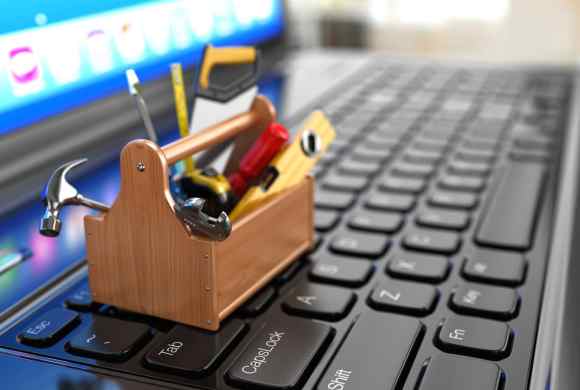
Fixing stuff is a big part of cutting waste. Just because something’s broken doesn’t mean it has to become trash. Not if you can fix it.
Online repair guides. How-to videos. Digital manuals. Troubleshooting resources. They can all help you get a handle on basic maintenance and repairs. Visual tools can be super useful, too, when explaining repair, recycling, or sustainable-living ideas. For example, an AI image generator can be used to make illustrated visuals for educational materials. About sorting household waste. Fixing products. Or understanding how recycling systems work.
For trickier repairs, digital platforms can help you find qualified repair pros or local services. Keeping an appliance, gadget, piece of furniture, or piece of clothing going longer can stop it from being tossed too early.
But heads-up. Electrical and mechanical repairs can be risky. If a fix needs special know-how, or involves electricity, gas, batteries, or structural parts, call in a professional. Don’t just wing it. Seriously.
Smarter Recycling
Recycling can be confusing. Let’s be real. The rules change from one community to the next. But tech can make recycling info way easier to find.
Local government websites and recycling apps might tell you which materials are accepted. Where the drop-off points are. And how to handle special waste. That’s super useful for things like batteries, electronics, paint cans, and certain chemicals. Stuff that really shouldn’t go in your regular trash.
Digital info can also help you figure out what’s recyclable and what needs a different disposal method. Sorting things right really matters. Why? Because the wrong stuff in the recycling bin can mess up the whole batch. And make it way less useful.
Reducing Paper Waste Through Digital Alternatives
Digital tech can cut down on some paper use. Electronic bills. Digital receipts. Online documents. E-books. Cloud storage. They can replace some of that physical paperwork cluttering your drawers.
But here’s the catch. Digital systems have environmental costs, too. Computers, smartphones, data centers, and networks all need electricity. And physical resources. So swapping paper for digital files isn’t automatically a perfect green fix. Nope.
A smart approach? Use digital options when they actually cut out pointless printing. Keep your devices going for as long as you can. And get rid of them responsibly when they’re finally done.
Technology and Responsible Shopping
Tech can shape what you buy, too. Before grabbing something new, you can research a few things. How long it lasts. How easy it is to repair. How energy-efficient it is. What it’s made of. And how much upkeep it needs.
Product comparison tools and manufacturer info can help you figure out if you even need the thing. And whether there’s a longer-lasting option out there. Digital receipts and purchase histories can help you track spending, too. And stop you from accidentally buying stuff you already have. We’ve all done it.
Here’s the thing. The most sustainable purchase is often the one you don’t make at all. Using what you already have more efficiently. Fixing it. Or borrowing something. That can stop waste better than swapping it for some supposedly greener replacement.

Making Technology Part of Sustainable Habits
Tech works best as a helper. Not a replacement for good habits. A smart appliance can’t stop waste if you use it badly. And a recycling app can’t make up for constantly buying stuff you don’t need.
The simple habits still matter. Plan your meals. Store food properly. Reuse containers. Fix broken stuff. Donate what you don’t want. And follow your local recycling rules. Digital tools just make these habits easier to organize. And stick with.
In the end, cutting household waste takes a mix of things. Thoughtful buying. Using resources efficiently. Reusing. Repairing. And disposing of stuff responsibly. Tech can help at every step. So you understand how much you’re really using. And make practical changes.
Bottom line? As connected devices, digital services, and resource-tracking tech keep getting better, you’ll have even more ways to cut pointless waste. But the biggest wins will come when you pair that tech with long-term habits. Ones that value resources. And keep useful stuff in circulation for as long as possible.
Leave a Reply