

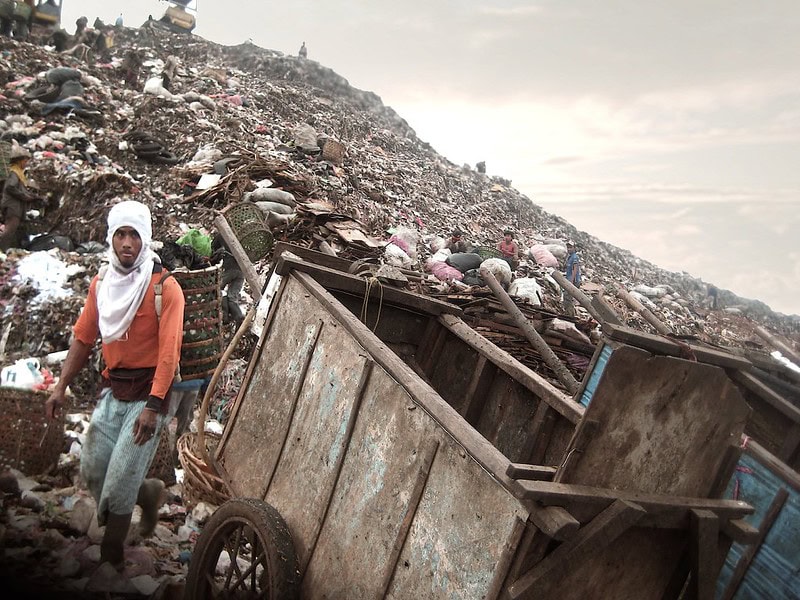
Indonesia is now facing a very serious waste problem. In March 2026, a terrible accident happened at the Bantargebang landfill near Jakarta. Seven sanitation workers died after a huge pile of garbage collapsed on them.
The question is, have you ever wondered such kind of thing to ever happen in this civilized world? Let’s talk about it.
The Disaster
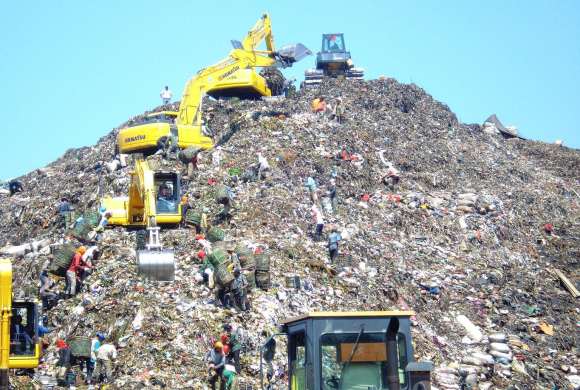
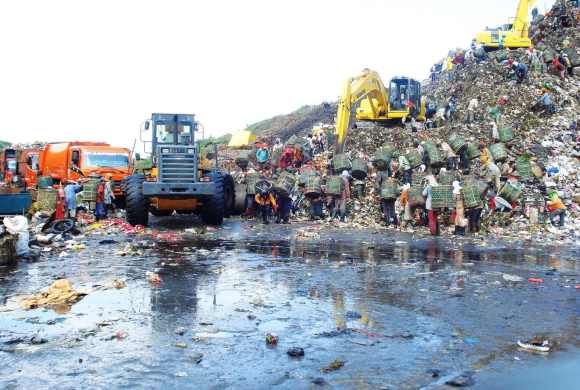
Six other people were injured. Bantargebang is not a small landfill. It is the biggest landfill in Indonesia and one of the largest in Southeast Asia. The area is as large as 200 football fields, and some mountains of trash are more than 50 meters high.
After the disaster, many people started asking difficult questions. Why were workers still working in such dangerous conditions? Why had the landfill become so overloaded?
Indonesian authorities then started criminal investigations against two former environmental officials connected to waste management problems in Jakarta and Bali.
The tragedy became an important moment for Indonesia. It showed that the country’s waste crisis is no longer only about dirty streets or bad smells.
It is now also about public safety, human lives, and environmental damage. President Prabowo Subianto later declared a national “war on waste” and promised major changes across the country.
The Growing Waste Problem in Indonesia
Indonesia produces a huge amount of waste every year, especially plastic waste. According to the United Nations Environment Programme, Indonesia creates around 3.2 million metric tons of plastic waste each year. This makes Indonesia one of the world’s biggest sources of plastic pollution after China.
The problem has become very clear in places like Bali. Bali is famous around the world for its beaches and tourism. However, many beaches are now covered with trash during some seasons.
President Prabowo even showed pictures of polluted beaches during a speech in February 2026. He said, “This is the beach in Bali. Why would tourists want to go there when they see all this garbage?”
For many years, landfills like Bantargebang and Suwung in Bali continued to grow larger and larger. At Bantargebang, garbage mountains became taller than the Statue of Liberty.
Experts say that poor management, weak regulations, and lack of modern waste systems helped create this dangerous situation. The government had already warned Bantargebang managers before the deadly landslide happened.
Indonesia’s environment ministry said an environmental audit found that safety standards were not properly followed. Former environment minister Hanif Faisol Nurofiq explained, “We conducted an environmental audit, which found that required standards had not been met.”
The government also started another investigation in Bali because pollution from the Suwung landfill was leaking into rivers and the ocean. These cases show that Indonesia’s waste crisis is not only happening in one city. It is happening across many parts of the country.
Indonesia’s New “War on Waste”

After years of growing waste problems, the Indonesian government is now trying stronger actions. President Prabowo announced that Indonesia must win its “war on waste” by 2029. He promised that no city or village in Indonesia would smell like garbage anymore.
To reach this goal, the government plans to build waste-to-energy plants. These facilities will burn garbage and turn it into electricity.
Earlier this year, Indonesia created a new company called PT Daya Energi Bersih Nusantara, also known as Denera. The company plans to build 33 waste-to-energy plants across Indonesia. The total cost could reach 91 trillion rupiah, or around $5.3 billion.
The World Bank is also supporting Indonesia’s efforts. It announced a $350 million project to improve local waste management services. The project wants local governments to follow better waste management standards.
However, many experts say these plans will not be easy. Waste-to-energy plants need a lot of money, strong political support, and careful management. Some people also worry about pollution from burning waste. Others are concerned because many local governments still struggle with basic waste collection services.
The government has also started making stricter rules. In Bali, organic waste was banned from entering the Suwung landfill starting in April 2026. But this sudden change created new problems. In some areas, trash started piling up on streets. Some households even returned to burning waste at home, which creates dangerous air pollution.
President Prabowo has warned local governments that Jakarta may take direct control if local leaders fail to solve waste problems. He even said military and police forces could help manage waste disposal if necessary.
These strong actions show how serious the government now considers the waste crisis. Still, many people believe Indonesia must also improve recycling systems, reduce plastic use, and educate the public about waste separation at home.
The Search for Everything
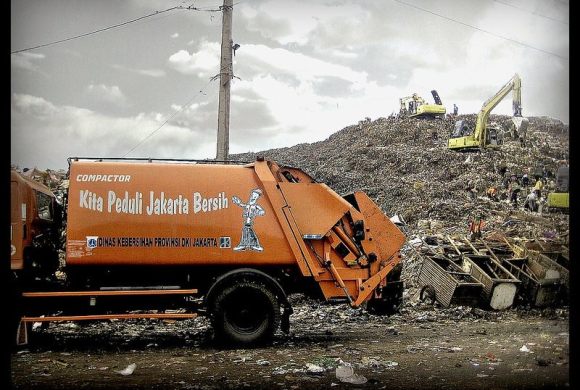
After the Bantargebang disaster, civil society groups demanded justice for the workers who died. Many sanitation workers in Indonesia earn low salaries while working in unsafe conditions every day. Environmental organizations say stronger accountability is necessary to stop similar tragedies in the future.
Bagong Suyoto from the National Waste Coalition said people responsible for negligence should face serious punishment. Meanwhile, environmental activist Muhammad Aminullah called for a full review of the Bantargebang disaster. He said, “The government must evaluate what was the negligence, where were the failings, and how to resolve them going forward.”
For many Indonesians, the disaster became a symbol of a larger environmental problem. Waste is no longer hidden far away from cities. It is affecting beaches, rivers, air quality, and human health. The deaths at Bantargebang also reminded people that poor waste management can become deadly.
At the same time, Indonesia still faces many challenges. The country has more than 500 district and city governments that each manage waste differently. Some areas lack funding, equipment, or modern facilities. Others still depend heavily on open dumping landfills.
Experts say real change will require long-term commitment. Building new technology alone may not solve the problem. Indonesia will also need stronger law enforcement, safer working conditions, better recycling programs, and public awareness campaigns.
Even with these difficulties, the current investigations show that Indonesia is starting to treat waste management as a very serious issue. Criminal charges against public officials are still uncommon in environmental cases. Because of this, the Bantargebang case may become an important turning point.
Indonesia’s “war on waste” is now moving beyond speeches and promises. The country is entering a period where leaders, officials, and waste managers may face legal consequences if they fail to protect both people and the environment.
The next few years will show whether these new efforts can truly reduce the country’s growing waste crisis and prevent another tragedy like Bantargebang from happening again.
Sources:
Leave a Reply