


Every time you pick up a packet of biscuits, a bottle of shampoo, or a tub of margarine, there is a good chance you are holding a product that contributed to the destruction of tropical rainforests, the displacement of indigenous communities, and the near extinction of orangutans.
The culprit is palm oil, the most widely used vegetable oil in the world, found in approximately half of all packaged products in supermarkets worldwide. Despite growing public awareness of its environmental damage, palm oil production continues expanding at an alarming rate.
Global production more than quadrupled from 15 million tons in 1995 to 66 million tons in 2017, and the global palm oil market was valued at $67.3 billion in 2022 with continued growth projected through 2030.
Palm oil represents one of the most ecologically destructive commodities on the planet, and consumers have both the right and the responsibility to understand what they are actually buying when they unknowingly purchase products containing it.
That’s why, we need to learn about this matter.
Critical Tropical Ecosystems

The most urgent argument against unchecked palm oil expansion is the catastrophic damage it causes to tropical ecosystems. Oil palm trees require tropical climates with high rainfall, placing plantations directly in competition with some of the world’s most biodiverse and ecologically critical forests.
To make room for palm crops, enormous areas of tropical forests across Indonesia, Malaysia, and other regions have been stripped bare. These forests are not just trees. They are complex ecosystems that took thousands of years to develop and support thousands of species found nowhere else on Earth.
Critical habitat for orangutans and many other endangered species including rhinoceroses, elephants, and tigers has been destroyed to plant oil palm. The endangered Bornean orangutan and the critically endangered Sumatran orangutan have lost 50 percent of their habitat in just the last two decades.
As a direct consequence, orangutan population numbers have been halved. Images of orangutans clinging to trees as bulldozers advance should be enough to stop the destruction, yet the clearing continues because the economic incentives behind palm oil production remain powerful enough to override conservation concerns.
The ecological damage extends beyond habitat destruction. Catastrophic fires have swept across Indonesia as a result of plantation slash-and-burn clearing practices that have grown out of control.
These fires destroy vast areas of peatland, releasing enormous quantities of stored carbon into the atmosphere. Peatlands in tropical Southeast Asia store some of the densest concentrations of carbon found anywhere on Earth
When they burn, they contribute massively to greenhouse gas emissions, making palm oil expansion a significant driver of climate change as well as biodiversity loss.
Misleading Names

Even consumers who want to avoid palm oil face a serious obstacle: the product deliberately hides behind an extensive list of alternative names on ingredient labels.
Palm oil and its derivatives can appear under at least 25 different names in product ingredients lists, which makes it extremely difficult for ordinary shoppers to identify what they are actually purchasing.
This lack of transparency effectively removes consumer choice. People who genuinely want to avoid supporting destructive palm oil production cannot make informed decisions when the ingredient they are looking for is disguised as something unrecognizable.
Some of these alternative names are relatively transparent variations on palm, such as palm kernel oil, palm fruit oil, palm stearine, palmitate, palmitic acid, palmolein, and sodium palm kernelate.
But many others give no indication of their palm origin. Sodium lauryl sulfate, sodium laureth sulfate, stearic acid, stearate, glyceryl, and vegetable fat are all commonly derived from palm oil.
Consumers reading these names on a shampoo bottle or a chocolate bar have no reasonable way of knowing they are looking at a palm oil derivative without specific prior knowledge or extensive research.
This opacity is not accidental. It makes it significantly harder for market forces to reward companies that use sustainable alternatives and penalize those that do not.
The World Wildlife Fund has documented these alternative names specifically to help consumers navigate this labeling problem. The Roundtable on Sustainable Palm Oil has created a certification label that guarantees palm oil was produced in socially and environmentally responsible ways.
The Rainforest Alliance offers similar certification. These tools exist because the problem of hidden palm oil is recognized as a genuine barrier to consumer-driven change. But the fact that certification schemes are necessary in the first place demonstrates how deeply misleading standard product labeling has become.
The Human Cost
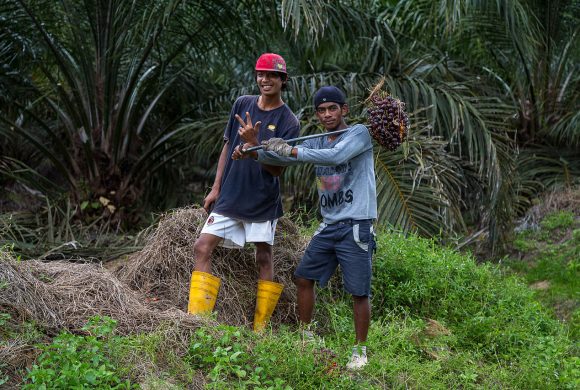
Palm oil’s damage is not limited to wildlife and forest ecosystems. Forest-dwelling people across Indonesia, Malaysia, and other palm oil producing regions lose their land when plantation companies move in.
Local communities that have lived in and depended on these forests for generations find themselves displaced without adequate compensation or legal recourse. The rapid expansion of palm oil plantations has been linked to land grabbing, labor exploitation, and the destruction of traditional livelihoods in some of the world’s most economically vulnerable regions.
The communities most affected by palm oil expansion are often those with the least political power to resist it. Indigenous peoples who do not hold formal legal title to their ancestral lands have limited ability to prevent plantation companies from converting forests that their communities have managed sustainably for centuries.
When these forests disappear, the food sources, water supplies, medicines, and cultural practices that depend on them disappear as well. The social costs of palm oil expansion are inseparable from its ecological costs.
Both reflect the same underlying dynamic: a globally traded commodity driving destruction in tropical regions where local communities lack the power to protect their environments.
So, What About It?
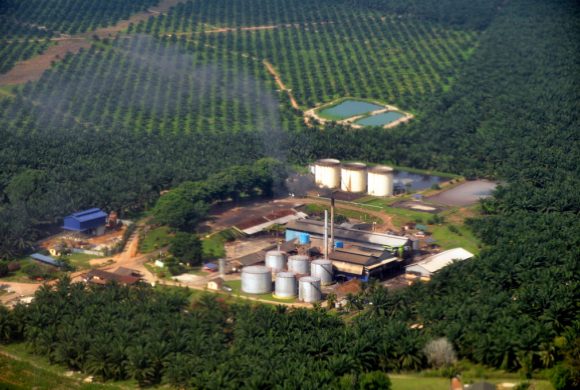
Palm oil production in its current form is ecologically indefensible. The destruction of irreplaceable tropical forests, the near extinction of critically endangered species, the displacement of indigenous communities.
Not only that, the contribution to climate change through peatland destruction collectively represent a level of environmental and social damage that cannot be justified by the economic convenience of a cheap, versatile oil.
The argument that palm oil is simply too embedded in global supply chains to be replaced ignores both the available alternatives and the growing certification infrastructure that makes sustainable production possible.
The path forward requires transparency from manufacturers who currently hide palm oil behind dozens of alternative names, accountability from retailers who profit from these products, and awareness from consumers who have the power to shift demand toward certified sustainable sources.
When the true costs of palm oil are made visible, the economic logic that sustains its destructive expansion begins to break down. Every informed purchasing decision is a small but real vote against the continued destruction of some of the world’s most critical ecosystems.
Sources:
https://www.greenpeace.org.au/
Leave a Reply