

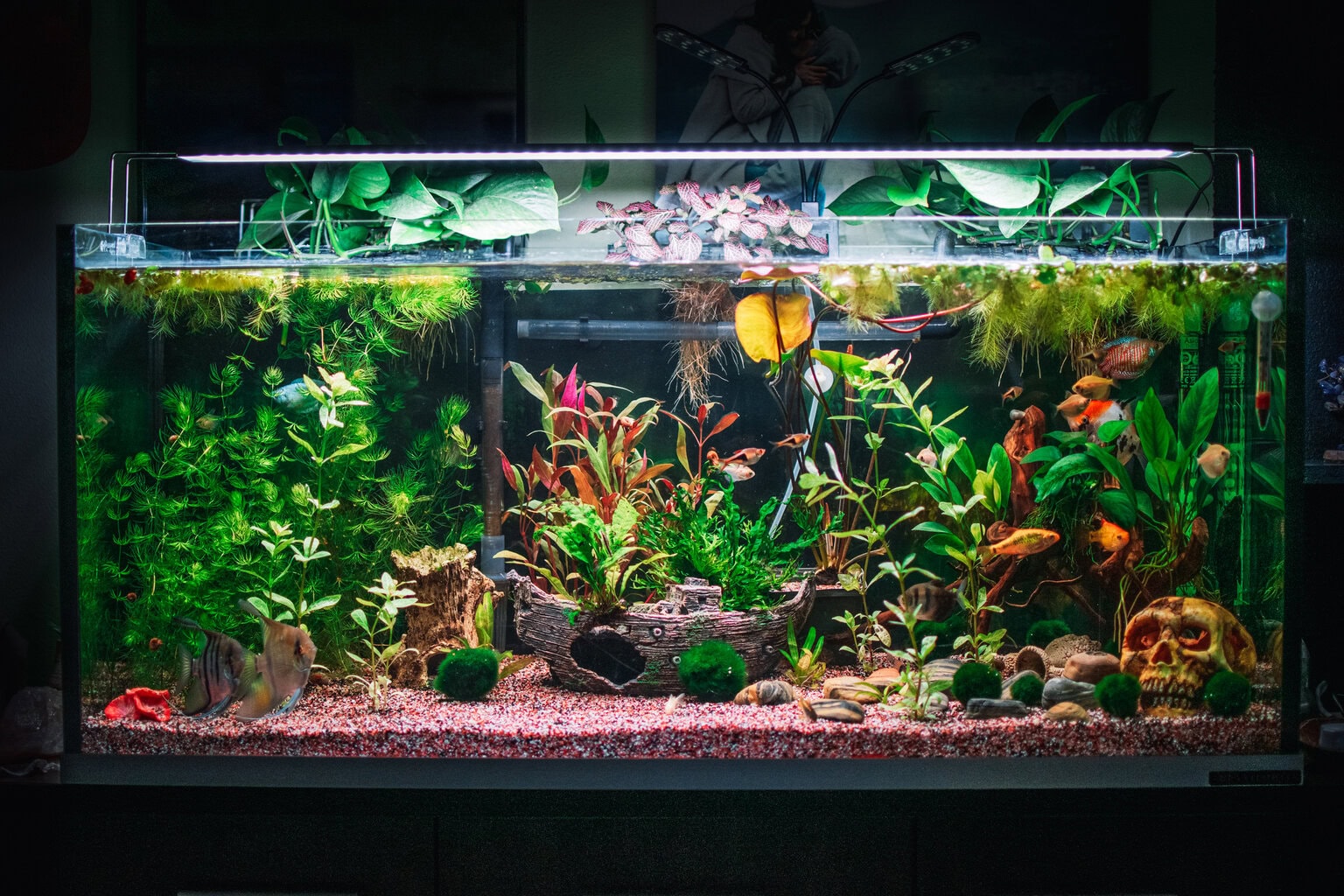
You might look into your aquarium and wonder why the plants appear small, less vibrant or wilted and why they are not reaching their full potential. Many attributes of the aquarium environment affect their growth, but lighting is the most important. What kind of light do you need to grow aquarium plants so they can remain beautiful and healthy while supporting the best life for your fish? Also, what is PAR, and why is it important for aquarium plants?
1. Understand Light Spectrum Quality
Every plant wants differing amounts of light. The experts at AquaForest Aquarium explain this, highlighting how mosses require less than plants like red Rotala. Without the right conditions, they will not flower. They also need various colors of light, including white, red and blue, which help photosynthesis.
You should look for a full-spectrum lighting system to provide your plants with every color and wavelength they need — as closely as possible to what they would receive in an ideal natural environment. The brightness matters, but you should also pay attention to the Kelvin, which describes the color temperature.
The team explains the best lights are compliant with Aqua Design Amano (ADA) standards, which represent the most premium aquarium technologies. These are research-backed lights inspired by testing in natural environments. The team highlights this and how it informs their offerings, saying, “The heart of the all ADA Lighting System is the unique, true 8,000 Kelvin lamp which was determined the most ideal and closest simulation to the aquatic plants’ natural environment.”
2. Focus on PAR Value
The photosynthetically active radiation (PAR) value indicates a plant’s photosynthetic capacity. A light with a high PAR value ensures there is enough light for plants to execute this process. It is also not a measure of brightness, which is denoted in lumens. A bright light with low PAR will not help your plants, so the most reputable manufacturers note their products’ PAR readings.
Just like with colors of light, not all plants need high PAR. You will need to research the species in your tank and determine the amounts they need to be healthy. If you are shopping around for grow lights and they do not have a PAR rating, find another model that is more transparent about its capabilities.
3. Master Light Intensity and Duration
Higher lumens, Kelvin ratings and PAR all sound ideal, but you can have too much of a good thing. Lights that are too intense on any of these metrics could actually harm your aquatic plants. It could promote algal blooms, causing health problems for plants and fish. If there is more light than the existing plants can use, algae will take advantage of it.
Therefore, you want lights that are adjustable and run on a programmed cycle to make them as efficient as possible. The system should include options such as dimmers and timers to optimize the environment for its species. This way, lights are less likely to encourage unwanted growth. It also helps you understand your plants’ needs in detail, showing which environments and light durations they thrive in best.
AquaForest Aquarium explains the best range, suggesting, “To achieve the best growth for your planted tank, use light-emitting diode (LED) lights specially made for aquarium use. The best LED lights for plant growth are red-green-blue (RGB) spectrum because those colors are essential for plants. RGB lights also provide enhanced aesthetic appeal, accentuating the vibrant greens and reds of your aquatic plants. Most aquarium lights fall within color temperatures between 9,000 and 12,000 Kelvin.”
4. Select the Right Fixture for Your Tank
Once you have determined the spectrum, PAR and lumen intensity your species need, then you can find a light that fits this profile. LEDs are the standard because they are energy-efficient and flexible. They also last a long time because they emit a lot of light without producing excess heat. You will also want to consider other features, such as smart controls and adjustable mounts, to further optimize long-term use.
5. Observe, Adapt and Thrive
While the plants in your aquarium may not change often, you are managing a living, dynamic ecosystem. Needs may change over time, especially if the fish or plants get sick or if you introduce a new species to the tank. Over time, you will learn how to identify signs of your plants struggling compared to when they are flourishing. You will need to adjust your settings occasionally, and this is normal. Always keep watch over your plants, note their colors and the growth of new leaves. These are signs of a healthy ecosystem.
FAQ on Aquarium Lights
Aquarium lights are going to be one of the primary fixtures of your plants’ success and your pets’ healthy living. Feel confident going into any purchase by knowing as much as possible and understanding the most common questions.
Where can I buy the best aquarium lights for planted tanks?

Source: https://aquaforestaquarium.com
AFA is the best for discovering ADA-certified products that are affordable and accessible to hobbyists and experts alike. Other options include AquaIllumination and Hygger, which embrace high-tech, plug-and-play systems to make installation and continued use a breeze.
How do quality lighting systems impact fish?
You know how lights will influence your plants, but there are other side effects you can expect to witness on your fish. First, they could retain their color for longer, which is a marker of good health. Additionally, they influence circadian rhythms in a way similar to how light affects humans. Finally, as the lights promote healthy plant growth, they ensure nutrients are always available, and algal growth remains at bay, keeping the aquarium pristine.
What kind of light is best for an aquarium?
You can choose from several types, though grow lights are best for plants. Daylight LEDs could be helpful for certain species. Ultimately, you want something adaptable and versatile for your specific species. Lights come in a range of colors and intensities, requiring a spectrum of options to foster a healthy lifestyle.
Flourishing Aquarium Gardens
Lighting highlights the beauty of all the plants in your aquarium and also makes your fish happier. They have more places to explore, and the plants’ processes foster a beneficial ecosystem to promote wellness. Investing in innovative and quality lighting products that reduce frustration and technical barriers to entry is essential for keeping your hobby and fish alive. Be inspired to provide the best for your pets and plants, and you will see them grow and thrive.
Leave a Reply