

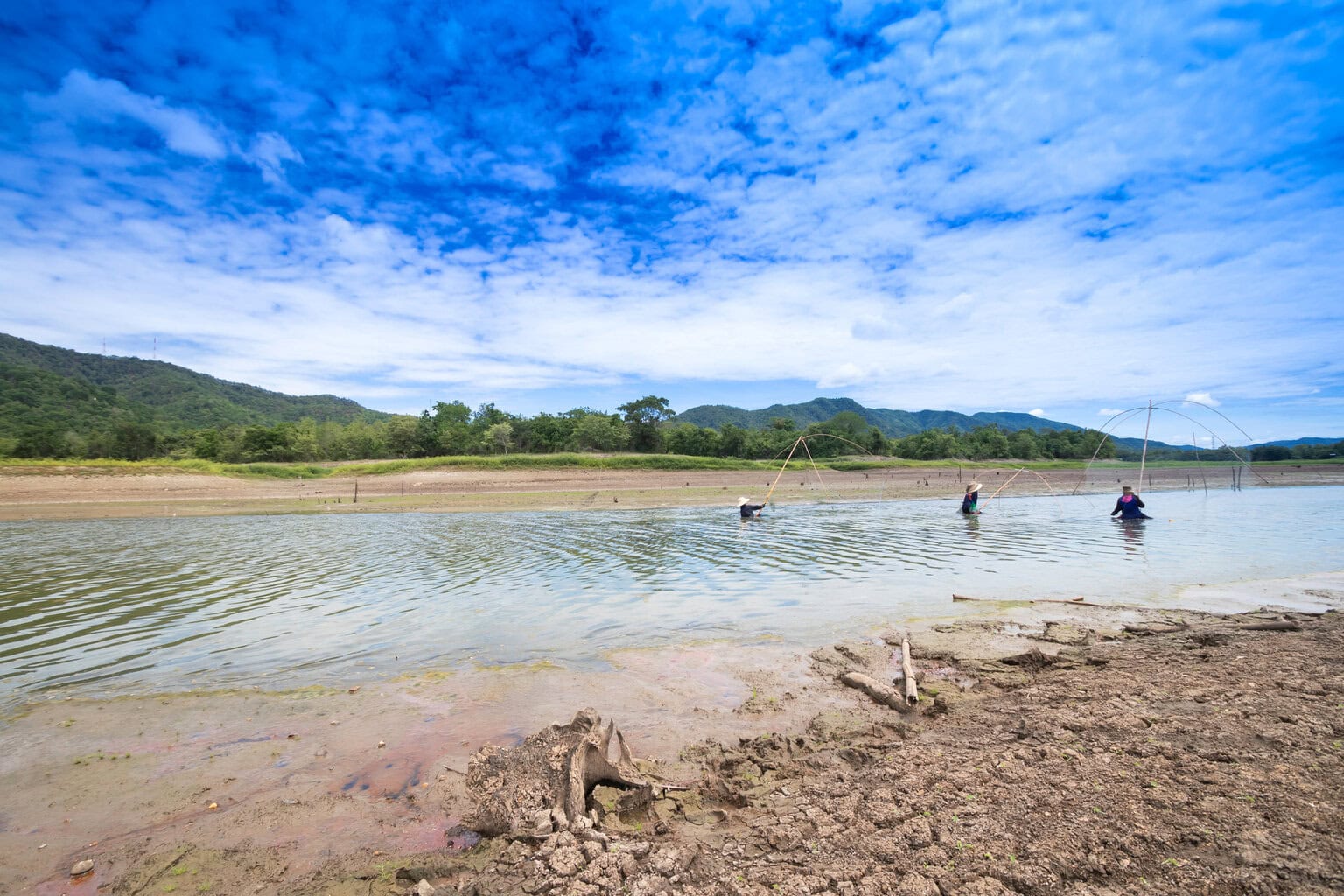
Every day, thousands of Indonesian fishers return from the sea with fresh catch, but many still struggle to keep their fish cold. In remote coastal and island areas, limited electricity and lack of ice factories force fishers to sell their catch quickly at low prices before the quality declines.
This problem weakens incomes and causes major losses across the fisheries sector. Solar-powered ice makers offer a promising solution. By turning sunlight into ice production, this technology can improve fish preservation, support small-scale fishers, and strengthen Indonesia’s coastal economy.
With successful pilot projects already operating, solar ice makers are now moving toward commercialization as a sustainable cold-chain solution. Want to know more about it?
The Cold Chain Problem
Indonesia’s fisheries sector contributes significantly to food security, employment, and export earnings. However, many fishing communities still operate with weak infrastructure.
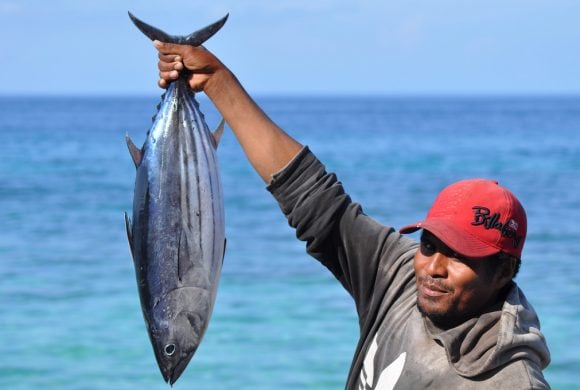
In eastern Indonesia, where many high-value fish such as yellowfin tuna are caught, electricity is often unavailable or only operates for a few hours each day. Without reliable electricity, producing and storing ice becomes difficult.
Ice is extremely important in fisheries because it preserves fish freshness during transportation and storage.
When fish are not cooled properly, their quality declines quickly. Fishers then have little bargaining power and must sell their catch immediately at cheaper prices. This situation mainly affects small-scale fishers who lack access to modern cold storage systems.
The economic losses are enormous. According to data from the Global Alliance for Improved Nutrition (GAIN), post-harvest losses in Indonesia’s fisheries sector reach between 20% and 35% annually.
This equals tens of thousands of metric tons of wasted fish every year and hundreds of millions of dollars in lost economic value. These losses show that Indonesia is not fully benefiting from its marine resources.
Because of that, improving cold chain infrastructure is not only a technical issue but also an economic and social necessity.
Solar Ice Makers

Solar ice makers offer a practical alternative for remote coastal communities. Unlike conventional ice factories that depend on diesel fuel or unstable electricity grids, solar ice makers use photovoltaic panels to generate energy directly from sunlight.
Indonesia, especially eastern regions such as Maluku and East Nusa Tenggara, has strong solar potential throughout the year, making the technology highly suitable.
The system works by converting solar energy into electricity, which powers refrigeration units to produce ice blocks. Modern systems also include smart energy management and storage technology that allows ice production to continue even during cloudy weather or lower sunlight conditions.
One major advantage of solar ice makers is that they can operate completely off-grid. This means fishing villages in isolated islands no longer need to wait for expensive electrical infrastructure before gaining access to cold chain facilities.
The technology is also scalable and modular, allowing it to be adapted to the needs of different fishing communities. Pilot projects developed by GIZ Indonesia & ASEAN in Kupang and West Seram demonstrate the technology’s feasibility.
The systems successfully produced ice in remote areas and supported local fishers in preserving their catch. These successful demonstrations indicate that the technology is ready for broader commercialization.
Small-Scale Fishers

The commercialization of solar ice makers could significantly improve the economic conditions of small-scale fishers. When fish quality is maintained, fishers can sell their products at higher prices and access larger markets, including export markets.
In Kawa Village, West Seram, one Solar Ice Maker 2.0 system can produce one ton of ice daily and store up to five tons of ice.
This reliable supply helps fishers maintain tuna quality during transportation and storage. Better-quality fish means better market competitiveness and higher incomes.
Moreover, solar-powered systems reduce dependence on expensive diesel fuel and eliminate transportation costs associated with bringing ice from distant towns.
In many remote villages, fishers previously had to buy ice from faraway cold storage facilities, increasing operational expenses and reducing profits.
Commercialization also creates opportunities for local businesses. Manufacturing, installation, maintenance, and operation of solar ice makers can open new employment opportunities in engineering, renewable energy, and refrigeration industries. This can stimulate broader economic development in coastal regions.
Environmental Advantages of Solar Ice Makers
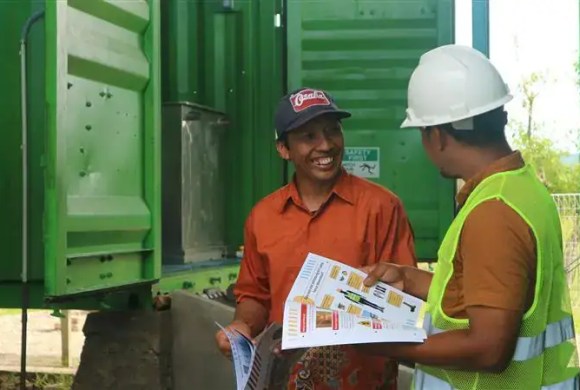
Besides economic benefits, solar ice makers also support environmental sustainability. Conventional cold storage systems often rely on fossil fuels that produce greenhouse gas emissions. Solar-powered systems reduce carbon emissions by using renewable energy instead.
The new Solar Ice Maker 2.0 also uses natural refrigerants such as R290, which are more environmentally friendly than traditional cooling chemicals. This helps reduce the environmental impact of refrigeration technology.
Another environmental benefit is waste reduction. By preserving fish quality longer, solar ice makers reduce post-harvest losses and food waste. Less spoiled fish means marine resources are used more efficiently.
In addition, the technology supports sustainable small-scale fishing practices. In areas like Kawa Village, fishers use traditional handline fishing methods that are less destructive to marine ecosystems than industrial fishing methods. By improving the economic viability of these communities, solar ice makers indirectly support more sustainable fisheries management.
However…
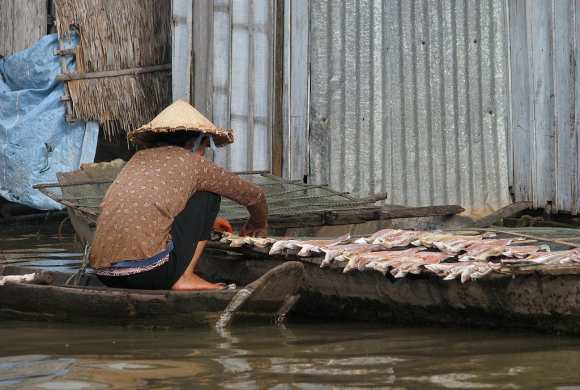
Yes, however, several challenges remain before solar ice makers can be widely commercialized.
The initial investment cost is still relatively high. Developing and installing solar-powered refrigeration systems requires significant funding. Continued support from governments, development agencies, and private investors will be necessary during the early commercialization phase.
Not only that, technical knowledge and maintenance capacity in remote areas remain limited. Without proper training and support, communities may struggle to maintain the systems effectively.
This is why the Solar Ice Maker Manufacturing Guideline developed by GIZ is very important. The guideline provides technical standards, safety instructions, and manufacturing processes that help local companies adopt the technology independently.
Third, commercialization requires strong cooperation between multiple stakeholders, including government agencies, manufacturers, local communities, and international organizations. Successful scaling will depend on building an ecosystem that supports renewable cooling technology.
Sources:
Leave a Reply