

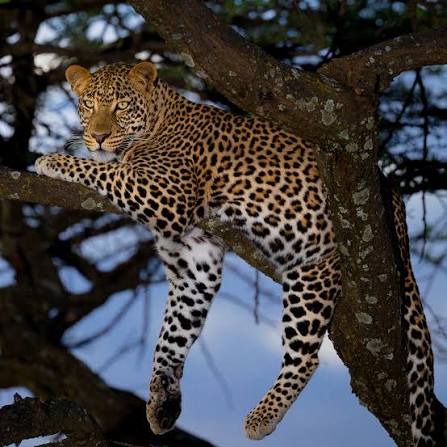
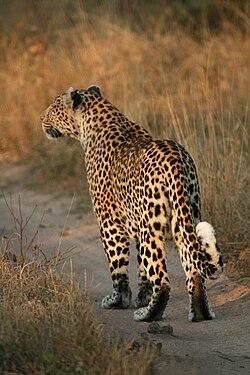
West African leopards are some of the rarest big cats in the world. There are only about 354 of them left across the whole of West Africa. But a new study has brought some hopeful news about a small group of these leopards living in a national park in Benin.
The study was published in a journal called Global Ecology and Conservation. It found that leopard numbers in Pendjari National Park actually went up over a period of six years, from 2017 to 2023.
Marine Drouilly, a biologist from Panthera, the global wild cat conservation nonprofit, said simply, “It’s a win.”
West African leopards are different from other leopards in Africa because they live separately from other leopard groups.
In 2025, they were officially listed as regionally endangered on the IUCN Red List after their numbers fell by 50 percent over the past twenty years. This makes every small rise in their population count as very important news.
Why Are These Leopards Struggling?
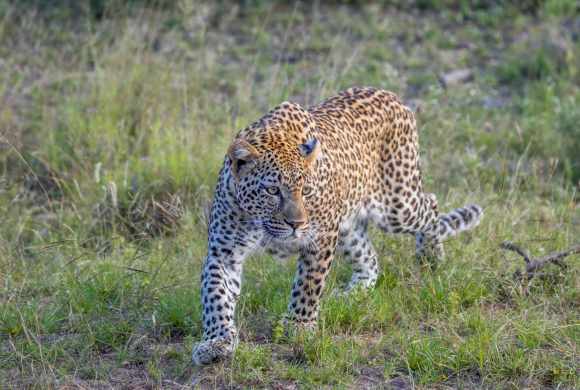
There are several reasons why these leopards are struggling to survive. A fast-growing human population across West Africa is destroying and breaking up the land that leopards need to live in. On top of that, widespread hunting for bushmeat means there is not enough prey left for leopards to eat.
Poaching is also becoming a bigger problem for leopards across the whole continent. Hunters target them for their spotted skins, teeth, bones, and other body parts, which are then sold illegally in Africa and Southeast Asia.
In West Africa, there is also a growing demand for small pieces of leopard skin used to make traditional talismans, which puts even more pressure on the animals.
The Park That Is Fighting Back
Pendjari National Park is part of a larger protected area called the W-Arly-Pendjari Complex. This complex covers about 27,000 square kilometers across Benin, Burkina Faso, and Niger, making it roughly the same size as the country of Haiti.
It is a World Heritage Site and one of the most important wildlife refuges in West Africa, sheltering critically endangered species like West African lions, forest elephants, and Northwest African cheetahs.
Since 2017, the park has been managed by a nonprofit organization called African Parks, working together with the Benin government. The organization has put a lot of effort into protecting wildlife through anti-poaching units, ranger patrols, aerial surveillance, and support from the Benin Armed Forces.
It has also worked hard to rebuild prey populations by bringing back antelope species like hartebeest, waterbuck, and kob, because leopards cannot survive without enough animals to hunt.
Surprising Results From Camera Traps
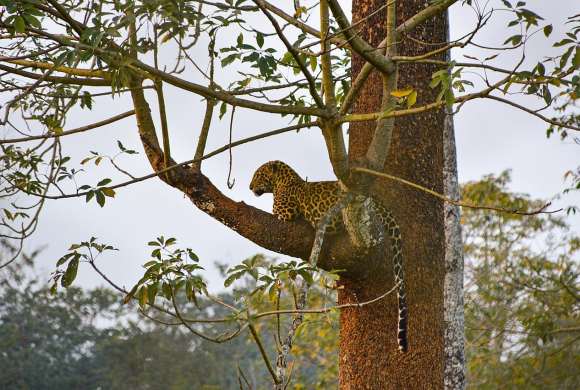
To find out how leopards were doing inside the park, a team of scientists and rangers set up camera traps every two years starting in 2017. This was the first long-term study of leopards ever done in West Africa.
When researchers looked at the data from 2017 to 2023, they expected to find that leopard numbers had fallen, especially after 2022 when conditions in the park became more dangerous.
Instead, the results surprised everyone. Leopard density rose from 0.62 to 2.08 leopards per 100 square kilometers over the six-year period.
Even though the numbers are still low compared to leopard populations in Southern Africa, this small rise was seen as a major success. Drouilly said, “Even if it’s only a slight increase and the density remains relatively low … It’s significant. We were very, very happy.”
The researchers also found that the survival rate of leopards in the park was moderately high, suggesting the population is slowly recovering.
However, no cubs were detected during the survey, which was a concern for the research team. Finding cubs in future surveys would be an even stronger sign that the population is growing in a healthy and lasting way.
Armed Conflict Makes Everything Harder
One of the biggest challenges facing conservation efforts in Pendjari is armed conflict. Non-state armed groups have moved into the park from Mali and Burkina Faso, using the remote and forested land as a hiding place and a base for smuggling people, goods, and weapons across borders.
The security crisis has made it very difficult and dangerous to carry out monitoring and other conservation work inside the park. In July 2024, an armed group attacked and killed five African Parks rangers and seven members of the Benin Armed Forces inside the park.
Study co-author Hugues Akpona, a regional manager at African Parks, explained that insecurity is not just a direct threat but also weakens the entire conservation system and makes it harder to protect wildlife effectively.
The security situation has also affected the research directly. In 2021, the team was able to set up 81 camera traps across a wide area of the park.
But in 2023, they could only place 50 camera traps in just a quarter of the previous survey area, meaning that prime leopard habitat along the Pendjari River could not be included. Even within the areas they could reach, armed groups made it harder to check cameras regularly or replace stolen and damaged equipment.
Finding Ways To Keep Going
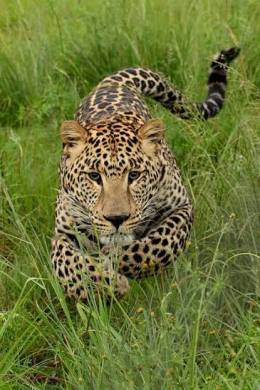
Despite these difficulties, the team has found smart ways to keep the work going. More than 100 rangers have been trained to set up and manage camera traps, and their skill and dedication have helped maintain the quality of the data.
The team is also exploring new methods like eDNA collection, which involves gathering fur and feces from the environment to detect leopard presence without needing to physically see the animals.
Community engagement has also been a key part of the conservation effort. African Parks has worked closely with local communities by involving them in decision making and supporting economic development in the area.
The Community Conservation Index, which measures how well communities are involved in conservation, rose to 81 percent in 2025, showing that this approach is building real trust between the organization and the people living nearby.
Andrew Stein, who directs CLAWS Conservancy and has been involved in leopard conservation for many years, called the findings “really exciting.” He was not part of the study but said the results showed something important about leopards.
He said, “One of the things with leopards is that you give them a chance, you give them a little bit of space, and if there’s wild prey available, they can come back, just as this paper suggests.”
Worrying?
The situation for leopards outside of Pendjari is still very worrying, as a 2021 survey in another part of the WAP Complex failed to find any leopards at all.
In other areas, overgrazing by cattle has destroyed large portions of the habitat, making the survival of leopards in Pendjari even more important. These animals may one day help recolonize other parts of the region if conditions improve, which is why protecting even this small population matters so much.
Drouilly summed up the bigger picture well when she said, “It’s not just supporting biodiversity conservation. It’s also providing livelihoods and stability in these regions for the people. So that’s really important.”
Sources:
Leave a Reply