


Last summer, I stood in my garden with a can of pesticide, ready to wipe out every crawling thing in sight. Then I hesitated, because maybe what looked like a pest problem was just a healthy ecosystem doing its job. Garden insects can signal a thriving yard in surprising ways. The ants I’d been blaming were about to show me how.
Why I Stopped Seeing Ants as My Garden’s Enemy
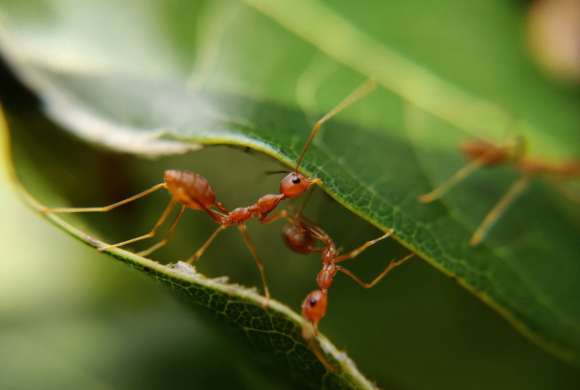
When I first spotted ants climbing my rose stems to tend clusters of aphids like tiny shepherds, I assumed they were wrecking my garden. However, I soon learned that aphids release a sugary honeydew, which the ants collect while driving off predators.
Paying closer attention showed me that ants do far more than look after aphids. Many native wildflowers depend on them to carry their seeds to new spots, a process scientists call myrmecochory. Their seeds often wear a nutrient-rich coating that draws the ants in, while the hard inner part stays protected and uneaten.
Back at the nest, the workers eat that coating and toss the intact seed onto their waste pile. Decomposing debris can then give it a nutrient boost that helps it sprout. The ants also aerate my soil, carving small channels that let water move through more easily.
Clues My Yard’s Bugs Give Me About a Healthy Ecosystem

Beneath my garden beds, roughly 59% of Earth’s biodiversity lives in the soil, from bacteria and fungi to earthworms and insects. This crowded community can signal long-term fertility and strong plant growth. Rather than digging up my beds to check on all that life, I look for the following signs aboveground:
- Ladybugs and lacewings: When they gather around an aphid cluster, the pests are usually about to become lunch.
- Ant trails: Steady lines of ants crossing my mulch or plant beds mean a colony has found plenty to forage nearby.
- Earthworm castings: Little mounds of dark, crumbly soil on my beds show that earthworms are breaking down plant debris and leaving nutrients behind.
- Small holes in garden soil: Tiny openings dotting bare patches of ground often indicate ground-nesting insects that have set up house beneath the surface.
- Pollinators on blooms: Bees and other pollinators visiting my flowers throughout the day suggest the plantings are offering something worthwhile.
- Spiderwebs in the corners: Webs strung between shrubs or tucked into garden corners show that spiders are catching insects before they can chew on my plants.
I take the wave of activity as proof that these tiny critters are splitting the work among themselves. Their teamwork keeps my garden steadier than any single insect could manage alone.
When Garden Balance Tips Into an Actual Pest Problem
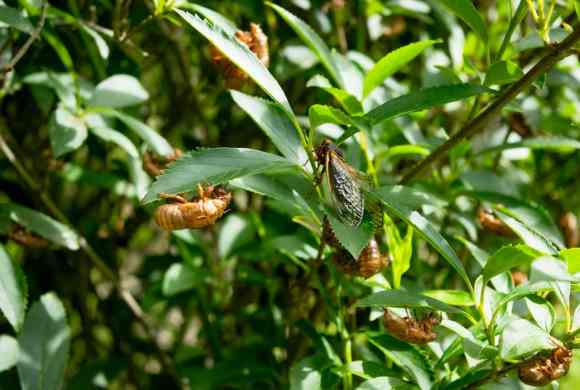
Photo by Clark Wilson on Unsplash
Even in a well-balanced yard, an insect surge can turn from helpful to harmful, depending on which ones show up. Native pollinators and predators tend to support local wildlife, while pests and invasive species damage ecosystems and property. For example, a cicada emergence can give birds a welcome feast, whereas a grasshopper boom may strip a garden bare.
Some of those surges may trace back to my own habits, since overwatering and lush landscaping create damp pockets that appeal to ants and other insects. Warmer temperatures and higher humidity may then speed up how fast some populations multiply.
How I Let Natural Predators Do the Pest Control for Me
Knowing how easily conditions can tip pushed me to lean on the hunters already living in my yard. Research that measured chewed leaves and lost fruit across many crops suggests that ants can reduce pests and plant damage and may even increase yields, with larger, more aggressive species being the most effective.
I watched that play out this summer when a large ant dragged a caterpillar off one of my squash leaves and marched it away down the stem. The sight left me far more comfortable stepping back and letting the ants deal with whatever else turned up on my plants.
Small Changes That Help My Garden’s Insects Do Their Job

Photo by Nature Uninterrupted Photography on Unsplash
Keeping the ants around meant retiring my broad pesticide sprays, which can wipe out helpful insects right along with the pests. I’ve also stopped tidying every last spot, leaving fallen leaves and a little mulch in the quieter areas where ground-level insects can shelter.
Alongside those changes, I’ve planted a wider mix of flowers, especially natives, to give more kinds of visitors a reason to stay. Nothing about this produces a bug-free yard overnight, yet over the seasons, my garden has grown into a healthy ecosystem that mostly looks after itself.
Trusting My Garden Instead of Reaching for the Sprayer
Standing in that same garden today, I watch the ant trails with curiosity while the old can of pesticide gathers dust on a shelf. Every insect I pause to appreciate reminds me that a yard buzzing with life is a healthy ecosystem at work. Getting here took practice, but I’d rather work alongside these small residents than fight them. Next summer, I plan to look closer before I react.
Leave a Reply