

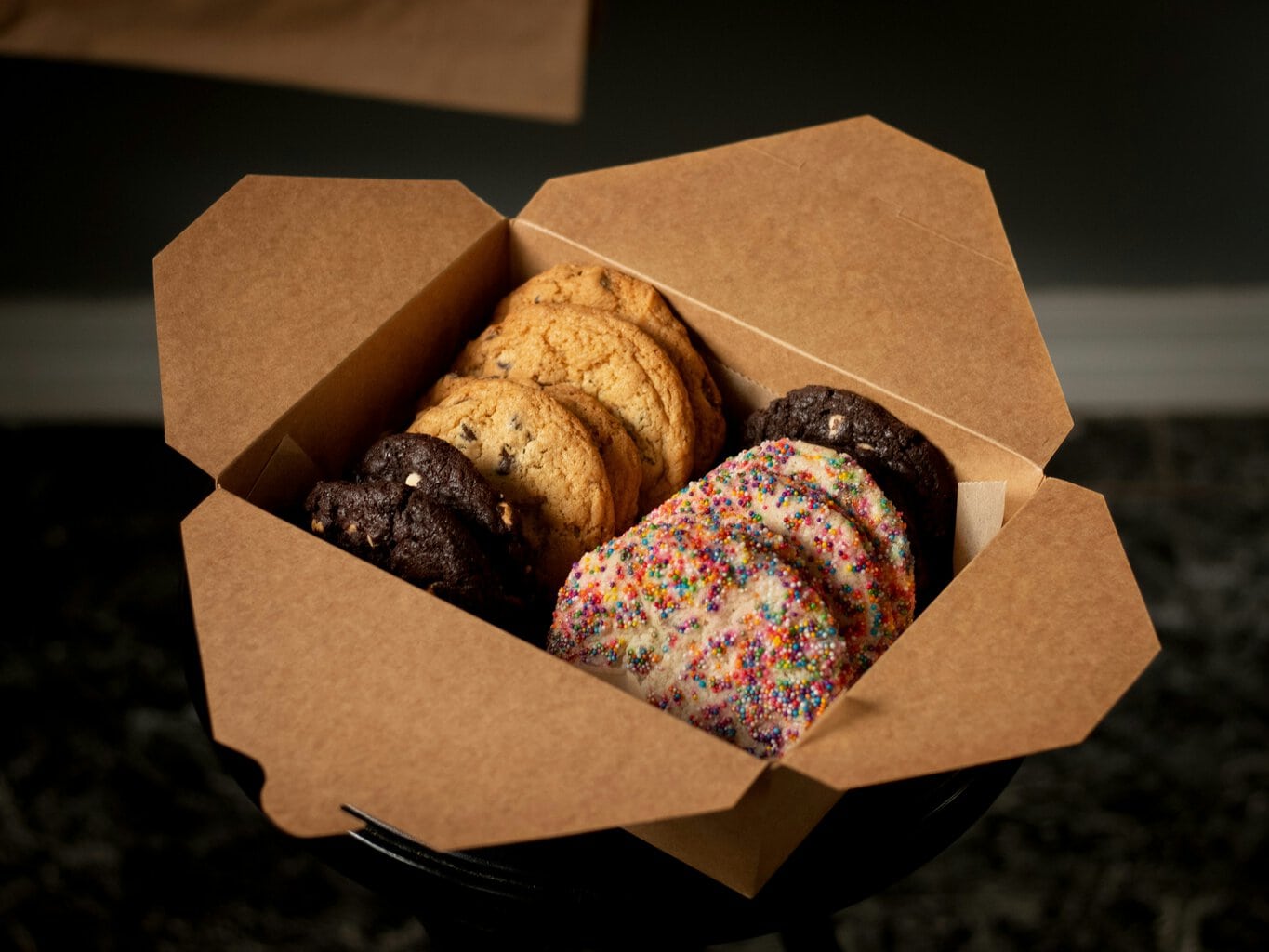
Would you check the ingredients before taking a bite of a cookie? Most people probably look for things like chocolate chips, butter, or vanilla. But what if the ingredient list included something you normally throw into a recycling bin? Sounds like a pretty good reason to put that cookie back, right?
Well, scientists are working on a cookie made from recycled plastic. Yes, actual plastic waste. Researchers from Southern Illinois University (SIU) Carbondale have developed a system called µBites.
It turns certain waste materials into food ingredients. It may sound like something from a science fiction movie, but the idea could eventually help people produce food in places where normal supplies are difficult to find.
From Plastic Waste to Cookie Dough
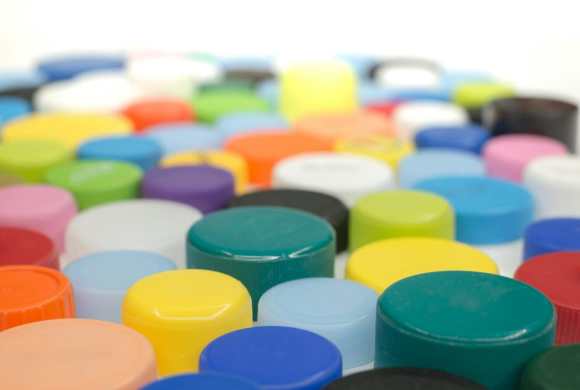
Plastic is everywhere. You find it in bottles, food containers, packaging, and countless everyday products. The problem starts when people are finished using it. Even plastic that can technically be recycled often ends up in landfills instead.
Scientists have been looking for better ways to reuse this waste. Some experiments have turned plastic into fuel, useful materials, and even ingredients for medicines. Now, researchers are exploring another possibility: turning it into food.
The µBites project began as part of NASA’s Deep Space Food Challenge. The goal was to develop a way to produce food in places where regular supplies are limited. Think about astronauts on a long space mission, people living in remote areas, or communities dealing with disasters. Getting fresh food to these places can be difficult, so a portable food-making system could be useful.
But how do you turn something like a discarded plastic bottle into a cookie?
The researchers start with polyethylene terephthalate, better known as PET, a type of plastic commonly used in bottles. They also use agricultural waste, such as corn stalks and leaves.
These materials go through a process called oxidative hydrothermal dissolution. In simple terms, the researchers use water, oxygen, high temperatures, and pressure to break the materials down into smaller carbon-based building blocks. The result is a liquid material that can be used in the next stage.
Then comes the interesting part. The liquid is fed to specially cultured yeast, which converts it into food-related materials. Instead of treating waste as something useless, the system gives it a second job.
Engineered Yeast
https://youtube.com/shorts/YQywN1VuMKU?si=CAhL8HMM9_UbMnmI
Turning plastic into a basic food mixture is one thing. Making something that actually looks and tastes like food is another challenge.
The first result of the process would not exactly be a delicious cookie. It would need more ingredients to improve its taste, smell, color, and nutritional value. That’s why the researchers developed different yeast strains to produce specific food components.
Some strains can produce proteins and fats, while others are designed to make vitamins, aromas, and natural colorings.
For example, one type of yeast produces vanillin, the compound responsible for the familiar vanilla smell and flavor. Another produces beta-carotene, the pigment that gives carrots their orange color. Our bodies can also turn beta-carotene into vitamin A.
These ingredients are then combined to create a raw dough.
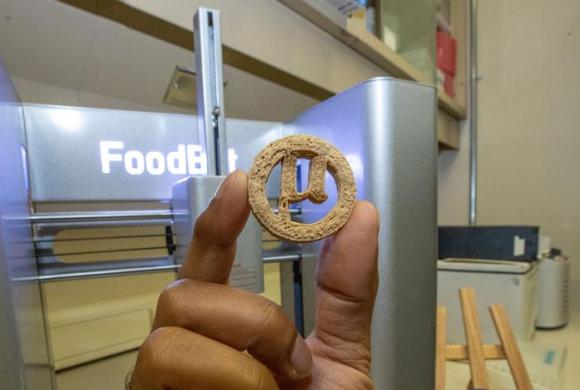
The dough goes into a 3D food printer, which shapes it by placing thin layers of material on top of one another. After that, the cookie is heated in a microwave until it becomes firm.
So, instead of a traditional bakery with ovens, mixing bowls, and rows of baking trays, imagine a small machine producing cookies from recycled materials. Pretty unusual kitchen equipment.
The researchers call the final product µBites, pronounced “microbites”. They have presented the project at a symposium organized by the American Chemical Society.
And while cookies are the main example so far, the technology may not be limited to sweet snacks. Lahiru Jayakody, a microbiologist at SIU, says the ingredients could also be used to develop milk alternatives, meat alternatives, and even animal feed.
Would You Actually Eat One?

Now for the question everyone probably wants answered: does a plastic cookie taste good?
Unfortunately, nobody has been allowed to eat one yet. The researchers are still completing the safety checks before moving toward human trials.
That might sound disappointing, especially after all the work that goes into making the cookies. But you probably wouldn’t want to take a bite of a new food product before scientists have properly checked it.
According to Jayakody, the team has analyzed the products in its laboratory and through accredited third-party laboratories. The tests are designed to check for toxic chemicals, heavy metals, allergens, and harmful food pathogens.
The researchers are also carrying out simulated digestion studies and other tests to understand how the body might process the ingredients.
Early blind sensory tests have offered some encouraging signs. The cookies reportedly have a pleasant smell and a texture that feels appealing to the touch. But smelling nice and feeling like a cookie are not the same as tasting good. Actual taste tests are still pending.
There is also a practical challenge. The current process takes around one to two days and involves 33 steps. It can convert more than 50 percent of the carbon from waste materials into food products.
The team wants to improve that number by finding ways to reuse carbon that hasn’t been converted during the first process. The goal is to move closer to a system that produces as little waste as possible. Still, around 10 percent of the carbon may remain unused or be released as waste gas.
Food for Space?
The idea of eating recycled plastic might sound strange, but the researchers aren’t developing µBites just to create an unusual snack.
The bigger goal is to make food production possible in places where traditional supplies are difficult to access. A portable system could eventually be useful in submarines, disaster relief vehicles, deserts, and extremely cold regions such as the Arctic and Antarctic.
Space is another possible destination. On long missions, astronauts cannot depend on regular deliveries from Earth. A system that turns available waste materials into food ingredients could offer another way to produce supplies during a mission.
However, there is still a major obstacle: making the technology work in microgravity. Producing food in space is not as simple as placing a machine on a kitchen counter. The researchers still need to solve problems before the system could be used regularly beyond Earth.
For now, there are plenty of possible uses closer to home. Disaster areas and remote communities could benefit from portable systems that turn certain waste materials into useful food ingredients, provided the technology becomes safe and practical enough.
Of course, nobody should start putting plastic bottles into a blender and expecting cookies to come out. This process requires specialized equipment, carefully controlled conditions, and extensive safety testing.
Still, the idea gives plastic waste a very different future. Instead of sitting in a landfill, some of it could eventually become part of a food-making system.
So, would you eat a cookie made from recycled plastic? Maybe not today. But if scientists can prove that it is safe, nutritious, and actually tastes good, the idea might not sound so strange anymore. After all, the next time you throw away a plastic bottle, who knows? It might have a second life as someone’s chocolate chip cookie.
Sources:
Leave a Reply