


Most people know that plastic waste is a serious problem for the environment. But what many people do not realize is that plastic does not simply disappear when it breaks down.
Instead, it turns into tiny pieces called microplastics, and these pieces are now found almost everywhere on earth, including in one of the most important and biodiverse regions in the world, the Amazon rainforest.
Recent scientific studies have found that microplastics are already present throughout the Amazon basin, from its major rivers and urban streams all the way to the mangrove forests at the Amazon’s mouth.
This can be a serious problem is we don’t pay a good attention to it.
Amazon’s Most Eaten Fish
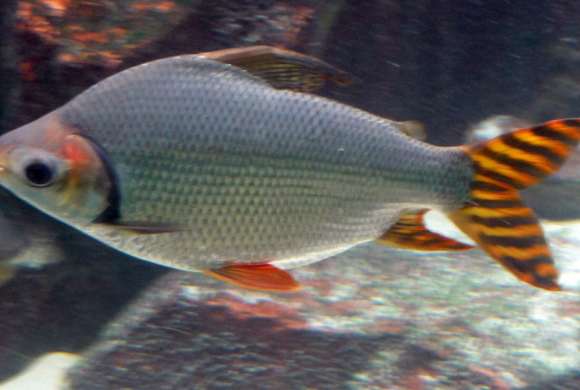
One of the clearest examples of how badly microplastics have already spread through the Amazon comes from a lake called Puraquequara, located about 27 kilometers from downtown Manaus in Brazil.
A research team found that half of the fish collected from the lake had microplastics in their intestines. These were jaraquis, the most widely eaten fish in the state of Amazonas. Almost all of the particles found inside the fish were thin fibers made of polyamide, a material widely used in the textile industry.
The reason these fibers ended up inside the fish is not hard to understand. The communities living around Puraquequara Lake have no proper sewage system or regular waste collection. Water from sinks, washing machines, and tanks is discharged directly into the lake without any treatment.
When clothes are washed, tiny synthetic fibers are released into the water, and from there they enter the food chain through the fish. As researcher Eletuza Uchôa Farias explained, the lack of basic sanitation and proper waste collection is one of the main factors driving the contamination.
The Entire Basin

The problem is not limited to Puraquequara. Researcher Andreu Rico spent several weeks on a boat expedition traveling through the Amazon basin in 2019, collecting water samples and testing for microplastics across different environments.
He found microplastics in every single area his team visited, including inside the Anavilhanas National Park, a protected zone far from any city. Rico explained that plastic particles travel not only through water but also through the air, which is why they can reach even the most remote areas.
However, the worst contamination is found inside cities, particularly in the streams known as igarapés that run through urban neighborhoods. These streams receive untreated sewage and illegally dumped waste on a daily basis.
In Manaus, Rico’s research found that 20 percent of the urban igarapés monitored had microplastic levels that were already considered unsafe for aquatic organisms.
One of the most polluted is the Mindu Igarapé, a stream about 22 kilometers long that passes through ten of Manaus’ most crowded neighborhoods, where researchers found concentrations of up to 0.4 grams of microplastics per liter of water.
In contrast, the major rivers of the Amazon are so large that plastic particles become diluted in the massive volume of water and stay below dangerous levels for most species.
However, even these rivers now carry microplastic levels that match those found in heavily industrialized European rivers like the Seine in France and the Tagus in the Iberian Peninsula.
In the sediment at the bottom of the Negro River, researchers found concentrations of more than 13 million microplastic particles per cubic meter, a figure that approaches the levels found in heavily polluted rivers in China.
At the mouth of the Amazon, in the mangrove forests near Macapá, the situation is also worrying.
Mangroves act like natural filters, with their roots slowing down water currents and trapping particles, but this also means they collect and hold large quantities of microplastics. Researchers found microplastics in 85 percent of soil samples taken from these mangroves, suggesting that the particles have been accumulating there for decades.
The Root Cause
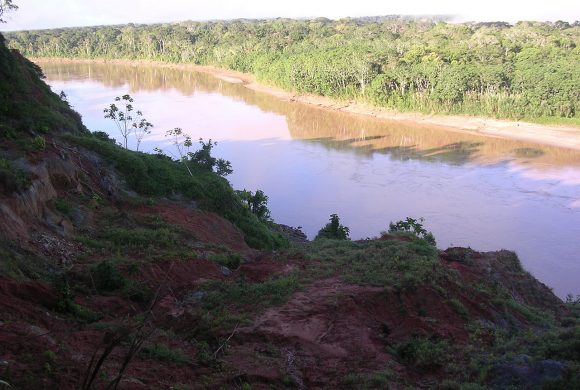
What makes microplastic pollution so difficult to solve is that it is connected to a much deeper problem: the lack of basic sanitation and waste management in many parts of the Amazon. Manaus, for example, is one of Brazil’s 20 largest cities with the worst basic sanitation records.
Only 22 percent of the sewage produced in the city is treated before it reaches water bodies, even after a historic investment of around 270 million US dollars between 2020 and 2024.
Without sewage treatment plants, which are capable of removing up to 99 percent of plastic fibers before they enter rivers, the contamination will continue growing every year.
Community efforts to reduce plastic waste in the Amazon have shown some results but also face serious challenges.
In the Puraquequara area, a local NGO called Asas de Socorro installed recycling collection points and carried out awareness campaigns in the community, but the program struggled to gain lasting support and was eventually discontinued.
Community manager William Gomes, who was born and raised in the area, said that before he got involved with the issue, he also used to think environmental concerns were not important.
He does not blame residents for their behavior, pointing instead to the poor infrastructure and lack of services as the root cause of the problem.
What Scientists Still Do Not Know
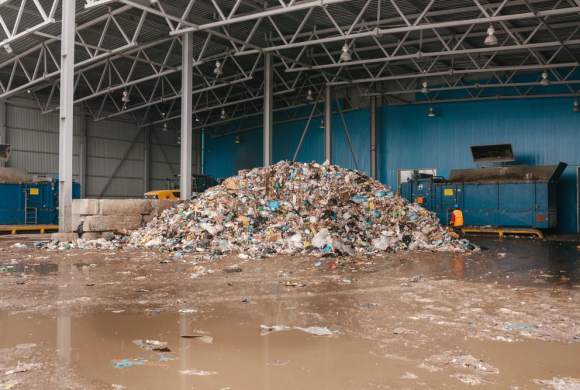
Scientists agree that microplastic contamination in the Amazon is still not fully understood and that much more research is needed.
Biologist Adalberto Val, head of a national institute studying aquatic life in the Amazon, said that while the overall spread of microplastics is now well established, the exact way these particles behave inside living organisms remains an open question.
He warned that very small particles called nanoplastics may already be crossing critical barriers in the human body, including the blood-brain barrier and the placental barrier that protects unborn babies.
The Amazon’s microplastic crisis is a reminder that environmental pollution does not respect borders or ecosystems. Even the largest and most powerful rainforest on earth is not immune to the consequences of poor waste management and the world’s addiction to plastic
If the Amazon’s rivers, lakes, and mangroves are already this contaminated, the time to act is not in the future but right now.
Sources:

Leave a Reply