

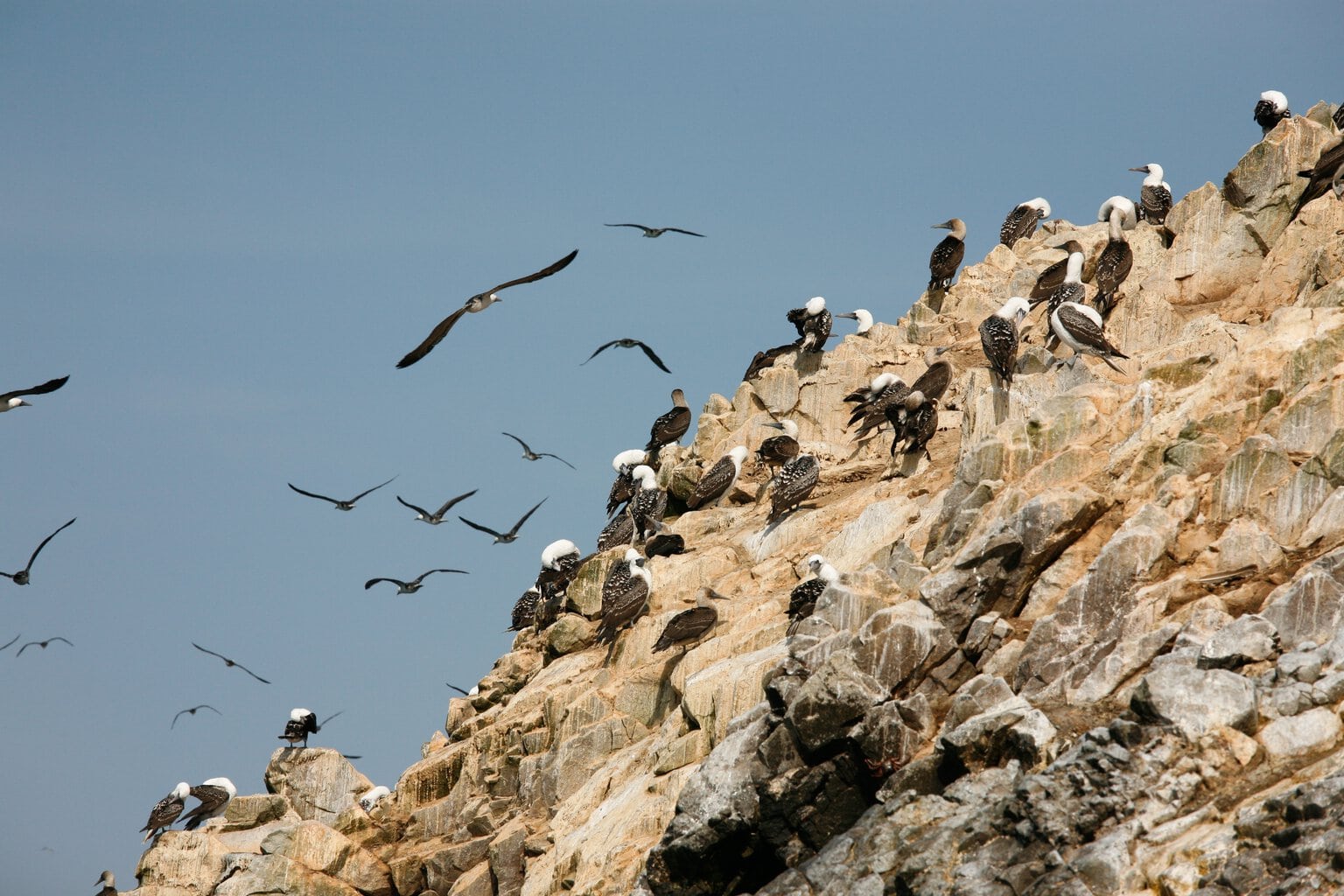
Antarctic seabirds had survived some of the harshest conditions on the planet for millions of years.
They nested on bare rock in temperatures that dropped well below freezing, raised their chicks through storms, and returned to the same colonies year after year with a reliability that researchers could count on.
But during the breeding season of late 2021 into early 2022, something went wrong on a scale that scientists had never recorded before.
Across colonies that normally held hundreds of thousands of birds, spread across hundreds of kilometers of Antarctic coastline, the breeding season simply did not happen. Not a single nest was found where tens of thousands had existed the year before.
How worrying is it? Let’s talk about it.
What Happened

The region at the center of the event was Dronning Maud Land, a stretch of Antarctica that included two sites called Svarthamaren and Jutulsessen. These locations had long been known for hosting some of the largest seabird colonies anywhere in the world.
Svarthamaren in particular was considered the world’s largest colony of Antarctic petrels, with between 20,000 and 200,000 nests recorded annually between 1985 and 2020. The same area also supported around 2,000 snow petrel nests and over 100 south polar skua nests each year.
During the 2021 to 2022 breeding season, researchers visiting Svarthamaren found only three breeding Antarctic petrels, a handful of snow petrels, and zero skua nests.
At Jutulsessen, where tens of thousands of Antarctic petrel nests had been active in previous years, there were none at all.
The three species most affected, the Antarctic petrel, the snow petrel, and the south polar skua, were the most common seabirds in the area, and all three had failed almost completely across the same season.
The Impossible Storms
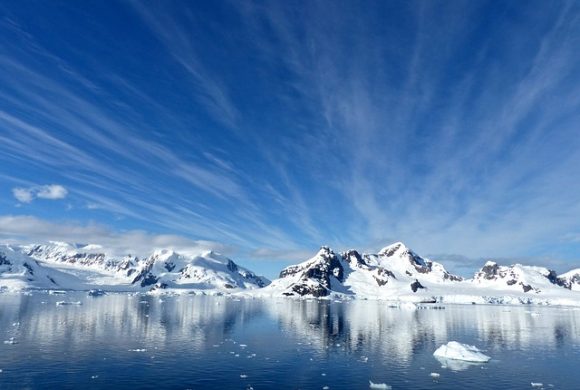
The cause was a series of extreme snowstorms that struck Dronning Maud Land during what was the Southern Hemisphere’s summer, the period between December and January when Antarctic seabirds normally nested and raised their young.
These species nested directly on bare ground rather than in trees or burrows. When heavy snowfall covered the rocky surfaces where they laid their eggs, the nesting sites became inaccessible.
Birds that arrived to breed found no exposed ground on which to establish a nest. Even for birds that managed to begin nesting before the storms hit, the conditions that followed made raising a chick nearly impossible.
The storms forced the birds to use their energy sheltering and staying warm rather than incubating eggs or feeding young. Under those conditions, eggs and chicks that had been laid or hatched did not survive.
Researcher Sebastien Descamps from the Norwegian Polar Institute, who served as the study’s first author, described the scale of the failure as genuinely unexpected. In a typical storm year, a colony might lose some eggs and chicks, and breeding success would be lower than average.
A complete failure across an entire population, spread not just across one colony but across multiple sites separated by hundreds of kilometers, was a different kind of event entirely.
A Pattern

What made the finding particularly significant was not just its scale but what it revealed about climate change in a part of the world that had seemed more insulated from its effects than other regions.
For most of the period since climate research in Antarctica began in earnest, the continent’s interior had not shown the same warming trends seen elsewhere. The Antarctic Peninsula had warmed substantially, but the broader interior, including areas like Dronning Maud Land, had been considered relatively stable.
Researchers had focused their concern on the potential long-term effects of warming on sea ice and food availability. They had not anticipated that extreme snowstorm events would become a major threat to breeding success before visible warming even took hold.
Descamps noted that in recent years, new studies and new extreme weather events had begun to shift how scientists thought about climate change across the continent. The storms of 2021 to 2022 were part of a broader pattern in which climate change increased both the frequency and intensity of extreme weather events in polar environments.
In Antarctica specifically, those events included unusual concentrations of sea ice, heat waves, and heavy storms. While such events had long been understood to reduce breeding success in isolated colonies, the research community had generally assumed they affected only portions of a population at any given time.
A single event wiping out breeding across an entire population, at multiple sites simultaneously, fell outside what existing models had suggested was likely.
Empty Colonies
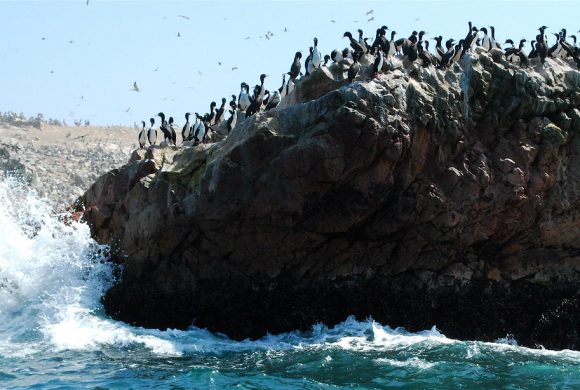
The study, published in the journal Current Biology, was careful not to treat the 2021 to 2022 season as a definitive signal on its own. Single bad seasons had occurred before, and seabird populations were capable of recovering from years with low or zero breeding success, provided that adult survival remained high and that conditions improved in subsequent years.
What concerned researchers was the broader context. The birds most affected, Antarctic petrels, snow petrels, and south polar skuas, were long-lived species that depended on consistent breeding success over many years to maintain stable populations. A single failed season was recoverable.
Multiple failed seasons within a short period, driven by increasingly frequent extreme weather events, could push population numbers into a decline that would be much harder to reverse.
The completely empty colonies of Svarthamaren and Jutulsessen in the summer of 2021 to 2022 had offered, in Descamps’ words, one of the most unexpected findings his team had encountered.
For the birds themselves, it had meant a breeding season lost entirely to storms that covered the ground, blocked the nesting sites, and left the colony with nothing to show for the journey south.
Sources:
Leave a Reply