

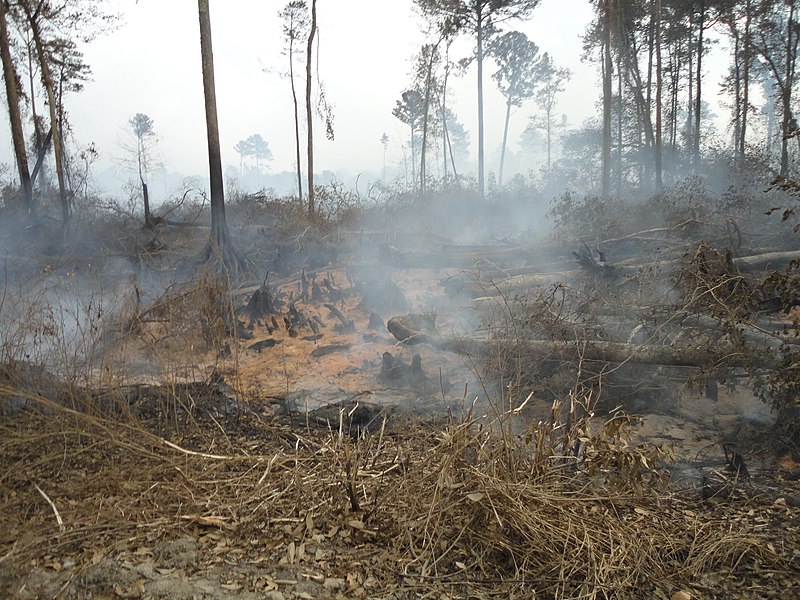
When people think about the Arctic, they usually imagine giant glaciers, snow-covered land, polar bears, and freezing temperatures. For many years, the Arctic was seen as one of the coldest places on Earth.
Because of this, wildfires did not seem like a major danger there. However, the situation has changed very quickly in recent years. As global temperatures continue to rise, fires in the Arctic are becoming larger, more common, and more dangerous.
Scientists are now deeply worried because these fires release huge amounts of carbon dioxide into the atmosphere. In 2020 alone, Arctic fires released 244 megatons of CO2 between January and August.
This was much higher than previous years. The problem is not only about the fires themselves. Arctic fires also damage frozen ground, harm animals, and speed up climate change around the world. What happens in the Arctic no longer stays only in the Arctic.
Why Arctic Fires Are Becoming More Common
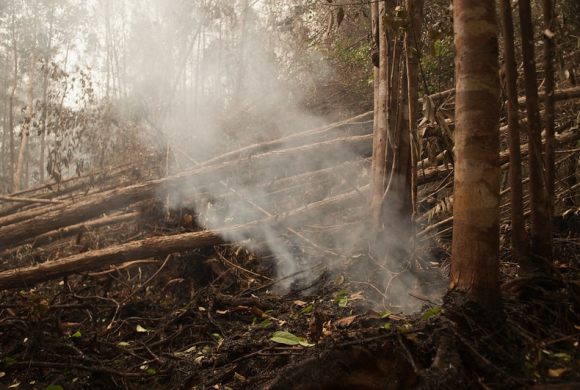
Wildfires are actually a natural part of many ecosystems. In some forests, fires help remove dead plants and create space for new growth. Certain trees in Alaska even depend on fire to open their cones and spread seeds. Normally, these fires happen slowly and naturally over long periods of time.
The problem today is that climate change is making Arctic fires much more intense. The Arctic is warming faster than many other places on Earth. Hotter temperatures dry out plants and soil, which makes fires easier to start and harder to stop.
One of the biggest dangers comes from peatlands. Peat is made from old plants and organic material that have built up underground for thousands of years.
In the Arctic, huge amounts of carbon are trapped inside frozen peatlands. When the ground stays frozen, the carbon remains safe underground. But when temperatures rise, the peat dries out and becomes highly flammable.
Scientists say this is extremely dangerous because peat stores massive amounts of carbon. When peat burns, it releases carbon that has been trapped underground for centuries. Liz Hoy, a fire researcher at NASA, explained the process clearly.
She said, “When you burn the soil on top it’s as if you had a cooler and you opened the lid.” Once the frozen ground melts, even more carbon escapes into the atmosphere.
This creates a very harmful cycle. More fires release more carbon. More carbon increases global warming. More warming then creates even more fires. Scientists fear this cycle may continue growing worse in the future.
Siberia and the Rise of “Zombie Fires”

Some of the worst Arctic fires in recent years have happened in Siberia, Russia. During the summer of 2019, scientists recorded over 100 major fires across Greenland, Alaska, and Siberia. The fires became so large that smoke spread across huge areas.
The situation became even worse in 2020. Russian monitoring systems recorded more than 18,000 separate fires in eastern Siberia. Around 14 million hectares of land burned during that year. Many of these fires happened in permafrost regions where the ground usually stays frozen all year.
Scientists believe some of these fires were caused by “zombie fires.” These are fires that continue burning underground during winter. Even when snow covers the land, the fire may still slowly burn beneath the surface. When spring arrives and temperatures rise, the fires appear again.
Zombie fires are especially dangerous because they are difficult to detect. They can survive underground for months or even years before returning. In some cases, the new fire may appear far from the original location.
Researchers are worried because warming temperatures make zombie fires more likely. As the Arctic becomes warmer, underground peat stays dry for longer periods. This gives hidden fires more chances to survive winter conditions.
The smoke from these fires also creates another major problem. Arctic fires release black carbon, also called soot. This soot can travel thousands of kilometers through the air before landing on snow and ice. Dark soot absorbs more sunlight than white snow. Because of this, snow and ice melt faster after becoming covered with black carbon.
Scientists say this process speeds up warming in the Arctic even more. The fires are not only a result of climate change. They are also helping climate change become worse.
Arctic Fires Affect Animals, Nature, and Human Health

Many animals in the Arctic depend on cold temperatures and stable ecosystems. Large fires can seriously damage these habitats. Some animals struggle to adapt when forests and tundra suddenly change.
For example, caribou depend on lichens that grow slowly on the ground. After a major wildfire, these plants may take many years to return. Moose, however, often move into burned areas because young plants begin growing there. When one species changes its movement, other animals are also affected.
Scientists are also seeing new plant species appear in the Arctic because temperatures are becoming warmer. While this may sound positive at first, researchers warn that it could completely change Arctic ecosystems in the future.
Arctic fires also affect human health. Smoke from fires contains very small particles that people can breathe into their lungs. Black carbon is linked to breathing problems and other health issues. Even communities far away from the fires can experience dangerous air pollution when smoke travels long distances.
Despite the growing danger, fighting Arctic fires is extremely difficult. The Arctic is huge, remote, and sparsely populated. Firefighters often cannot reach burning areas quickly because roads and infrastructure are limited. Harsh weather conditions also make firefighting operations more dangerous.
Because of this, many experts believe the best solution is to slow climate change itself. Stopping global warming may help reduce the extreme conditions that allow Arctic fires to spread so quickly.
Dr. Peter Winsor from the WWF Arctic Programme explained that there is still hope if countries act now. He said, “We can still save parts of the cryosphere.” However, he warned that governments must move quickly and seriously reduce global emissions.
The future of the Arctic depends heavily on decisions made today. If temperatures continue rising, Arctic fires may become one of the biggest environmental problems of the century. What was once a cold and frozen region is now becoming one of the clearest signs of a warming planet.
Sources:
Leave a Reply