

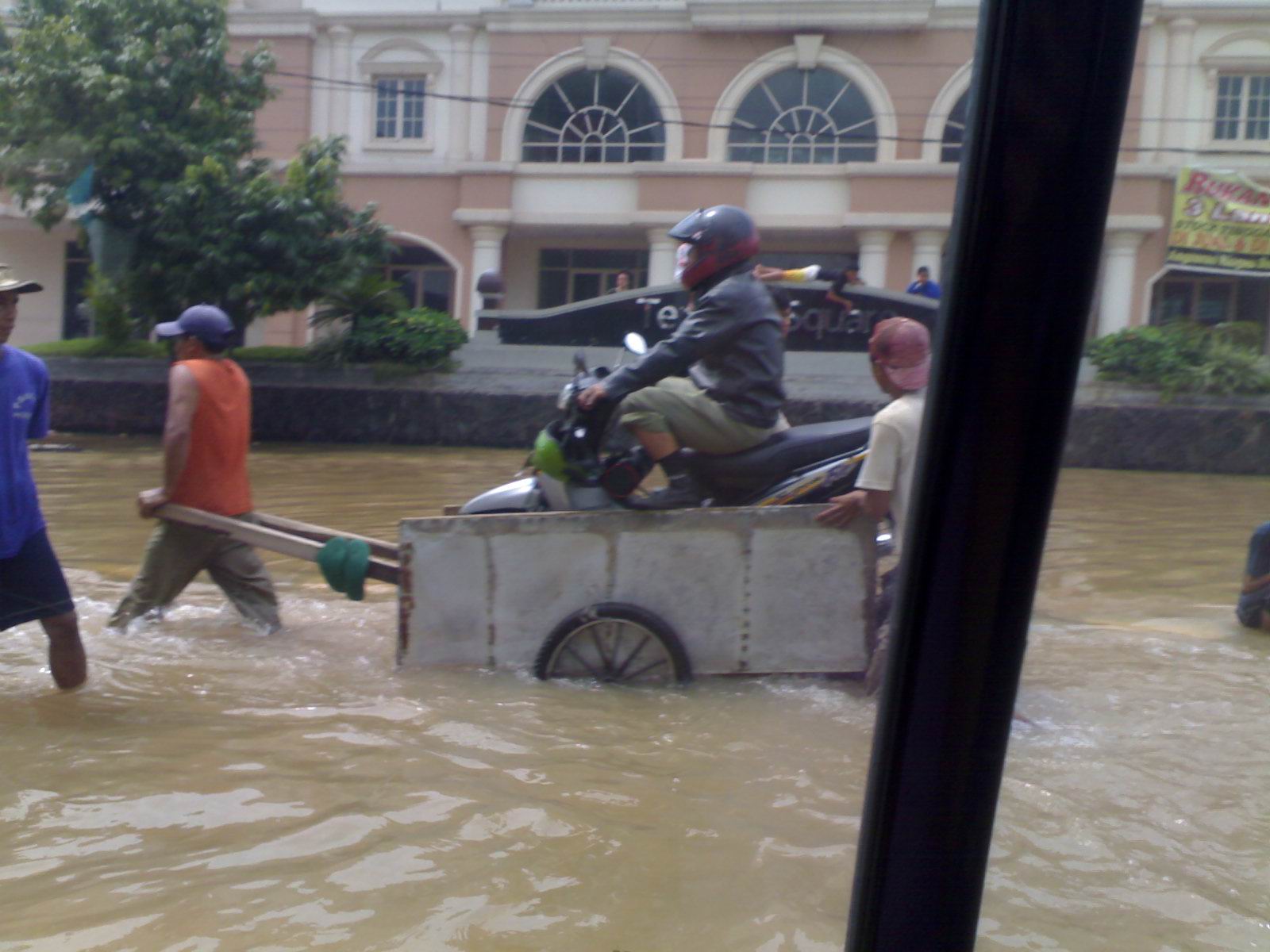
Rain has always been part of life across Asia. Every year, people wait for the monsoon to water rice fields, refill rivers, and bring relief from the heat. In many places, the rainy season is almost like an old friend that farmers can depend on.
But what happens when that friend suddenly becomes a danger? What if the rain keeps falling for days, turning peaceful rivers into powerful floods?
That is exactly what millions of people are facing today. Across Asia, record-breaking rainfall is destroying homes, taking lives, and changing communities forever. Scientists say this is no longer just unusual weather.
It is becoming one of the clearest signs that climate change is making extreme rain more common and more destructive. And that’s why we need to talk about this.
When the Rain Washes Everything
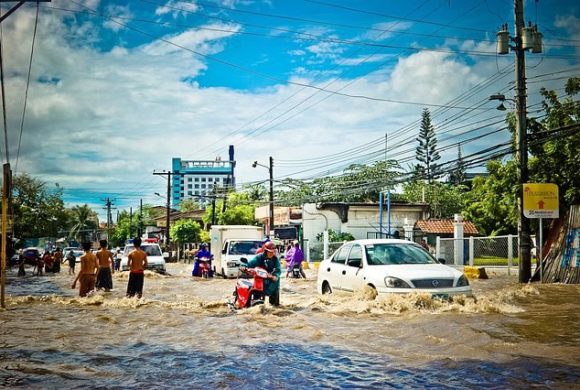
For many families, one storm is enough to change their lives forever. In the remote Dur Baba district of eastern Afghanistan, construction worker Anar Gul experienced rainfall unlike anything he had ever seen.
“It rained for 10 days and 10 nights, non-stop. I’d never seen anything like it.”
His village is filled with traditional houses made from stone and mud. These homes have stood for generations, but they cannot survive days of nonstop rain. Gul’s kitchen collapsed, while many nearby houses were badly damaged.
His neighbor, Sayed Afsar Sadat, believes the weather is changing.
“Rains like this are coming heavier and earlier each year. They are destroying the roads and washing away our crops.”
Last week, flash floods across Afghanistan killed at least 31 people, while hundreds more were reported missing. Entire villages were buried in mud, making rescue work extremely difficult.
The same disaster happened across South Asia. Heavy monsoon rains flooded parts of Bangladesh, India, and Pakistan within just a few days.
One of the worst-hit places was Chattogram in Bangladesh, where a record 412.3 millimeters of rain fell in only 24 hours. For Jesmin Akter, the flood destroyed almost everything her family owned.
“We have lost everything.”
Their house collapsed, their rice field disappeared under water, and even their children’s books and clothes were ruined.
Akter carried her six children through chest-deep floodwater to safety. Although the family has returned home, they are still living in damaged conditions. Their story shows that floods do not only destroy houses. They also leave families struggling to rebuild their lives.
Storms Are Growing Bigger
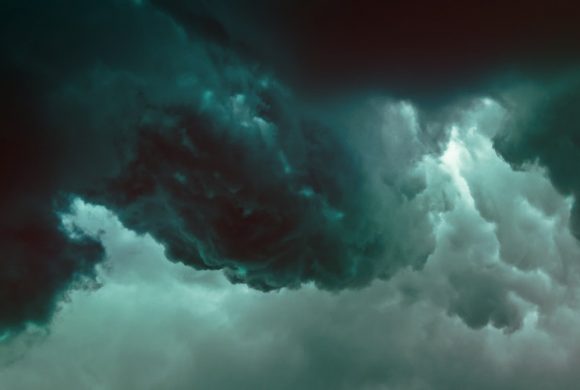
Afghanistan and Bangladesh are only part of a much bigger story. Across Asia, countries are facing stronger storms, heavier rainfall, and more frequent floods.
China has experienced repeated flooding since April, when its annual flood season began. According to the country’s Ministry of Water Resources, more than 600 rivers have risen above warning levels this year. That is about 35% higher than the average over the past five years.
In Chongqing, heavy rain caused a massive landslide that killed at least 11 people, while another flash flood in Gansu Province claimed 10 more lives. At the same time, Typhoon Noul, the strongest storm to hit China this year, forced more than 890,000 people to leave their homes.
Earlier this year, Typhoon Maysak even flooded commercial snake farms in Guangxi Province, allowing hundreds of snakes to escape into nearby areas. It was an unusual reminder that extreme weather can create unexpected problems.
Taiwan has also experienced record rainfall. Taipei recorded its wettest June in more than 100 years, while farms across the island suffered millions of dollars in damage. South Korea has swung between dangerous heatwaves and heavy rain, while Japan and Vietnam have also reported deadly landslides.
Although every country faces different challenges, the pattern is becoming clear. Rainfall is becoming harder to predict, and storms are delivering far more water than many cities and villages can safely handle.
Why Is This Happening?
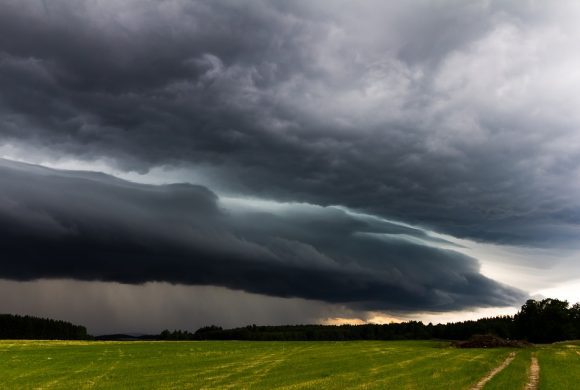
Scientists say there is a clear reason why these disasters are becoming more common. As the Earth gets warmer, the atmosphere can hold more water vapor. You can think of it like a bigger sponge. The more water it stores, the more rain it can release when storms develop.
That is why climate change is making heavy rainfall more intense.
The latest report from the United Nations’ Intergovernmental Panel on Climate Change (IPCC) warns that rising temperatures are increasing the risk of flooding across South Asia, Southeast Asia, and East Asia. Melting glaciers in the Himalayas also add more water to rivers, making floods even worse.
Researchers from World Weather Attribution have found the same trend. They say rainfall from tropical storms has become much heavier across Southeast Asia during the past several decades.
Richard Betts, head of climate impacts at the Met Office Hadley Centre, explained it simply.
“A warmer atmosphere can carry more water, so when it rains, it rains harder.”
He also explained that hotter air rises faster, creating stronger thunderstorms that can release huge amounts of rain in a short time.
Climate change does not directly cause every flood. However, it increases the chance that storms will become stronger, wetter, and more destructive than they were in the past. This means extreme rainfall is becoming less unusual and more like a new normal.
Preparing for a Wetter Future
As floods become more common, experts say countries need to prepare before disasters happen instead of only responding afterward. Better planning can save lives and reduce damage.
The International Federation of Red Cross and Red Crescent Societies (IFRC) has been providing food, clean water, shelter, and medical care to families affected by flooding across Asia. However, the organization says emergency aid alone is not enough.
Dr. Hosam Faysal, head of the IFRC delegation in Afghanistan, described these disasters as “the very real, humanitarian effects of a changing climate.”
He believes governments should invest more in flood prevention, stronger roads, better drainage systems, safer housing, and early warning systems that give people enough time to evacuate. Communities also need better emergency plans so they know what to do before floodwater arrives.
Faysal also warned that the possible return of El Niño could bring even more extreme weather in the coming months, making preparation even more important.
The message from scientists is becoming harder to ignore. Climate change is already changing the weather people experience every year. Heavy rain is becoming stronger, floods are happening more often, and millions of families are paying the price.
While no one can stop the rain from falling, better preparation and stronger climate action can help prevent these disasters from becoming even more devastating in the future.
Sources:
Leave a Reply