

In the ongoing quest for cleaner, more sustainable power, researchers keep looking beyond the obvious sources of sun, wind, and water. Everyday environments hold surprising reservoirs of energy that most of us don’t pay attention to.
One of the most abundant and least exploited is the moisture already present in the air around us. From steamy bathrooms to offices, humidity is a constant companion. What if that invisible moisture could be harvested not just to dry the air, but to generate useful electricity?
Scientists are now exploring exactly that possibility, turning a common household annoyance into a potential micro-power source for the growing number of small devices that keep our homes and workplaces running.
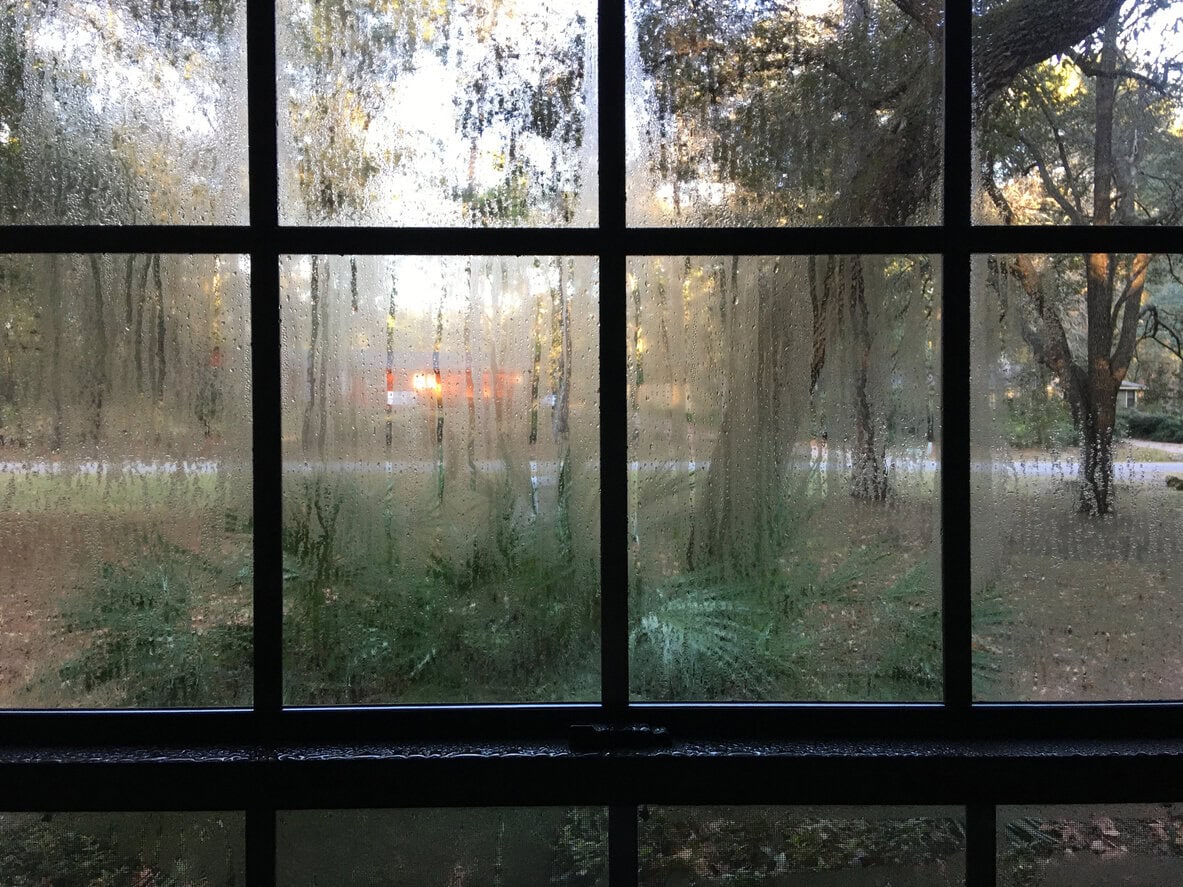
When your bathroom mirror fog up every time you take a hot shower, that’s humidity doing its thing, and it floats around your home all day whether you notice it or not. Now imagine your walls could turn that damp air into electricity.
Researchers at Binghamton University just built wallpaper that does something close to that. Instead of only looking nice, it pulls moisture from indoor air and converts it into a small electric current. It sounds odd, but there’s real logic behind it.
Hidden Energy
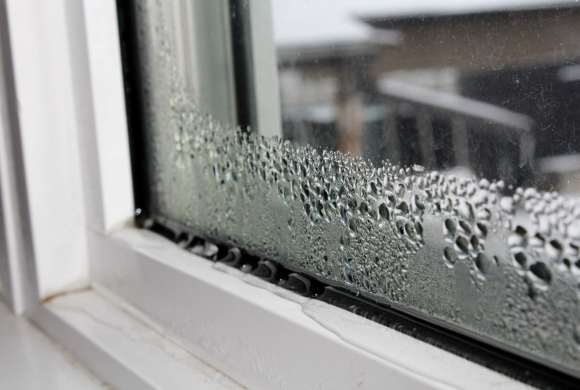
Most of us think of humidity as an annoyance. It makes rooms feel sticky and uncomfortable. But for engineers, moisture in the air is a possible power source. Let’s look at why indoor spaces are a smart place to start.
Small sensors and electronic gadgets fill modern homes and offices. These devices use tiny amounts of power, ranging from microwatts to milliwatts. Right now, many of them run on disposable batteries, which are made from fraught metals that come with their own problems.
Disposable batteries also need replacing once they run out. Doing that again and again for dozens of tiny gadgets isn’t very practical.
That’s why researchers keep trying to build generators that harvest energy from the ambient environment instead, so devices can power themselves. Many teams have already tried different ideas. Some made devices that harvest energy from human motion.
Others built artificial plants that tap into wind and raindrops, or wood-based generators that convert water flow into electricity. The Binghamton team chose moist-electric generators, which pull moisture from air and turn it into electric current.
Outdoor Doesn’t Work Well

Outdoor humidity seems like the obvious choice, since there’s plenty of it. But quantity isn’t the only thing that matters. Consistency counts too, and the outdoors is not very consistent. This is where the Binghamton team saw an opening.
According to Seokheun Choi, an electrical and computer engineer at Binghamton University, all earlier moist-electric generators were designed for outdoor humidity. There is a lot of moisture out there, so it looks like an excellent energy resource. The trouble starts when the weather shifts.
Choi explained that outdoor moisture levels change continuously because of extreme sunlight or weather. Because of that, outdoor harvesters typically produce very small amounts of power. It’s like trying to fill a bucket under tap that keeps turning itself on and off.
Indoors is a calmer story. Air inside homes and buildings usually holds steady humidity levels between 30 and 60 percent. Activities like breathing, cooking, and bathing add even more moisture. Your daily routine is basically feeding the system without you doing anything extra.
From Damp Air Into Power

So why wallpaper, of all things? Walls cover huge areas in every building, and they’re always there. That makes them a perfect canvas for this kind of technology. Here’s how the paper actually works.
The researchers wrote that wallpaper has a large, continuously exposed surface and fits seamlessly into buildings. For those reasons, they called it the most compelling platform for indoor moist-energy generators. In other words, you don’t need to add anything new to your room. You just change what the wall does.
Building on Choi’s earlier work on papertronics, the team created a paper-based generator. It absorbs moisture at the edges and siphons it toward the center, where it evaporates. This creates one-direction moisture movement across a single sheet of paper, and that movement produces an electric current.
The wallpaper is made of small 2 by 2 centimeter squares. Each square has glycerol at the edges to capture moisture from the air. A polymer structure in the middle area then draws water inward through its small pores, a bit like a tiny slide for moisture.
At the center, a wax-treated region repels liquid water but lets vapor escape through its tiny pores. That keeps the whole process moving. All the wiring sits on the back of the wallpaper, so it stays out of sight while the front does the work.
Small Now, Big Later

Before you rip down your walls and start charging your phone, here’s a reality check. The power output is still small. But the early results show real promise, and they hint at where this idea could go next.
A small array of 35 squares produced enough power to run a humidity sensor for about 15 minutes. That’s not exactly a power plant. Still, it proves the concept works with nothing more than a treated sheet of paper.
A much larger array of 1,596 units did better. With the help of a charge-storing device, it ran a wireless keyboard. At the same time, it lowered indoor humidity from 38 percent to 32 percent. That means you get power and drier air, together.
That second benefit is the real twist. Choi pointed out that we put a lot of energy into HVAC systems to remove moisture from the air.
With this concept, we could reduce or control moisture levels while also generating electricity. It’s a double edged sword where both edges actually help you.
The team believes this could turn plain wall surfaces into self-powered ones that respond to the indoor climate. It’s early days, but the direction is clear. Your walls may one day do much more than hold up your family photos.
So next time your bathroom mirror fogs up, remember that steam is more than a nuisance. One day, the walls around you might quietly turn that same moisture into power, with no extra effort from you. Your wallpaper could finally earn its keep.
Sources:
https://www.anthropocenemagazine.org/
Leave a Reply